Psychology
Discover facts about psychology. Small discoveries that change the way you see familiar things.
Psychology

Why fear and excitement feel almost identical
A pounding heart is an unspecific message: something important is happening. Your mind reads the room to label that surge—thrill on a roller coaster, terror…
Discover more
Prosopagnosia deletes the ability to recognize faces
Face blindness affects recognizing faces, not necessarily seeing them clearly or recognizing people by other cues. Someone might identify a friend by their…
Discover more
Saying one word can disrupt your memory
A short-term memory often stays alive through quiet repetition: you silently run the name or number again so it doesn’t disappear. Saying a different word…
Discover more
Why feeling watched can make you behave better
When you feel observed, you start imagining how your actions will look to someone else. That imagined audience can make social approval feel like an immediate…
Discover more
Listening to Mozart temporarily boosts spatial reasoning
Imagine turning a shape in your head to see whether it fits. After listening to Mozart, people can do better at this kind of spatial reasoning for a short…
Discover more
Some people have an overwhelming fear of buttons
Buttons can be so ordinary that other people barely notice them—which makes an overwhelming fear of them especially isolating. A phobia is an alarm response…
Discover more STACKY FOR IPHONE
A bigger world.
One discovery
at a time.
Keep discovering with Stacky. Interesting facts in an app that is always within reach.
Why confident liars can sound more convincing than experts
A confident liar offers a clean, simple story—and people often mistake that fluency for knowledge. An expert may sound less certain because real evidence…
Discover more
Knowing your past without reliving it
You can know that you moved to a new city at 12 without being able to relive the drive there. Memory for personal facts—what happened, when, and where—can…
Discover more
Why deep voices sound more authoritative
Lower voices tend to be heard as more dominant, so listeners may grant their speakers extra authority on sound alone. It’s a shortcut in social judgment: the…
Discover more
Why interruptions can make focused people furious
An interruption can feel like someone yanking a book from your hands because your attention had already built a mental map of the task. After the…
Discover more
Imagining effortless success can leave you less energized
In four experiments, researchers found that idealized positive fantasies reduced measures of energy compared with other ways of imagining the future. Mentally…
Discover more
Why tiny frustrations can trigger big breakdowns
A small annoyance can hit like a shove when you’ve already spent your patience on everything else. Your mind has less spare capacity to regulate emotion, so a…
Discover more
Your nose can detect over a trillion scents
A rose, coffee, and smoke each arrive as mixtures of odor molecules. Your nose turns those mixtures into different patterns of receptor activity, giving the…
Discover more
Why you forget what you came into a room for
A doorway can act like a mental scene change. Your mind updates what matters in the new place, and the intention from the old one gets harder to retrieve. You…
Discover more
Why the same bad choice can bring different punishment
A bad result makes people look backward and treat the choice that preceded it as obviously worse. Because consequences are vivid, they can outweigh what the…
Discover more
Small random rewards hijack dopamine pathways
When a reward is random, your brain can’t settle into expecting nothing—or knowing exactly when the next payoff will come. A surprise reward creates a strong…
Discover more
A thank-you note can lift your mood for weeks
A thank-you note is a small act that makes you revisit a good moment instead of letting it blur into the day. Naming what someone did can make their care feel…
Discover more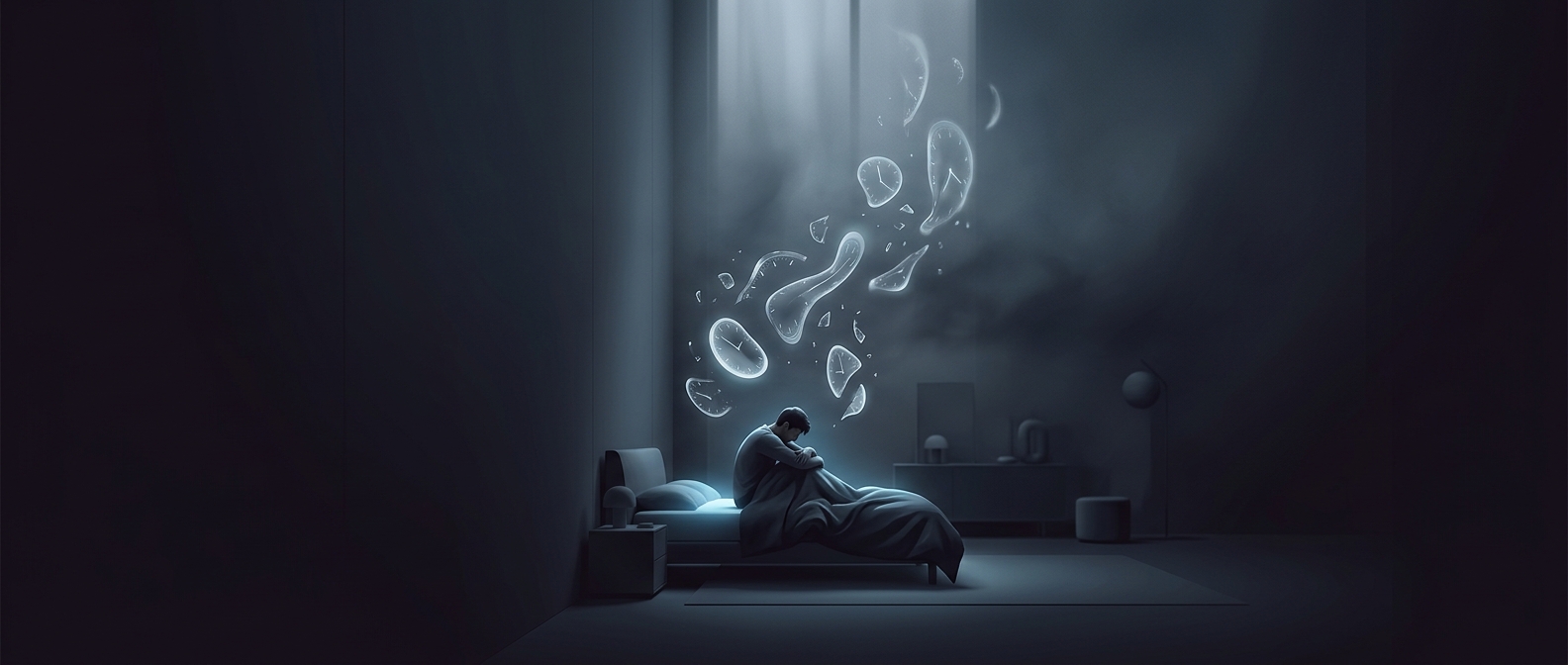
Why insomnia can make you think you never slept
You can be asleep and still experience the night as long stretches of wakefulness. Light sleep and brief awakenings may feel like lying there thinking, and…
Discover more
Why stress strips your sentences bare
A polished sentence takes a little planning: hold the thought, arrange it, add the connecting words. Stress crowds that workspace with urgent concerns, so you…
Discover more
When hair feels impossible to tolerate
For someone with strong tactile sensitivity, hair touching the skin may keep registering as an urgent sensation rather than background noise. The more…
Discover more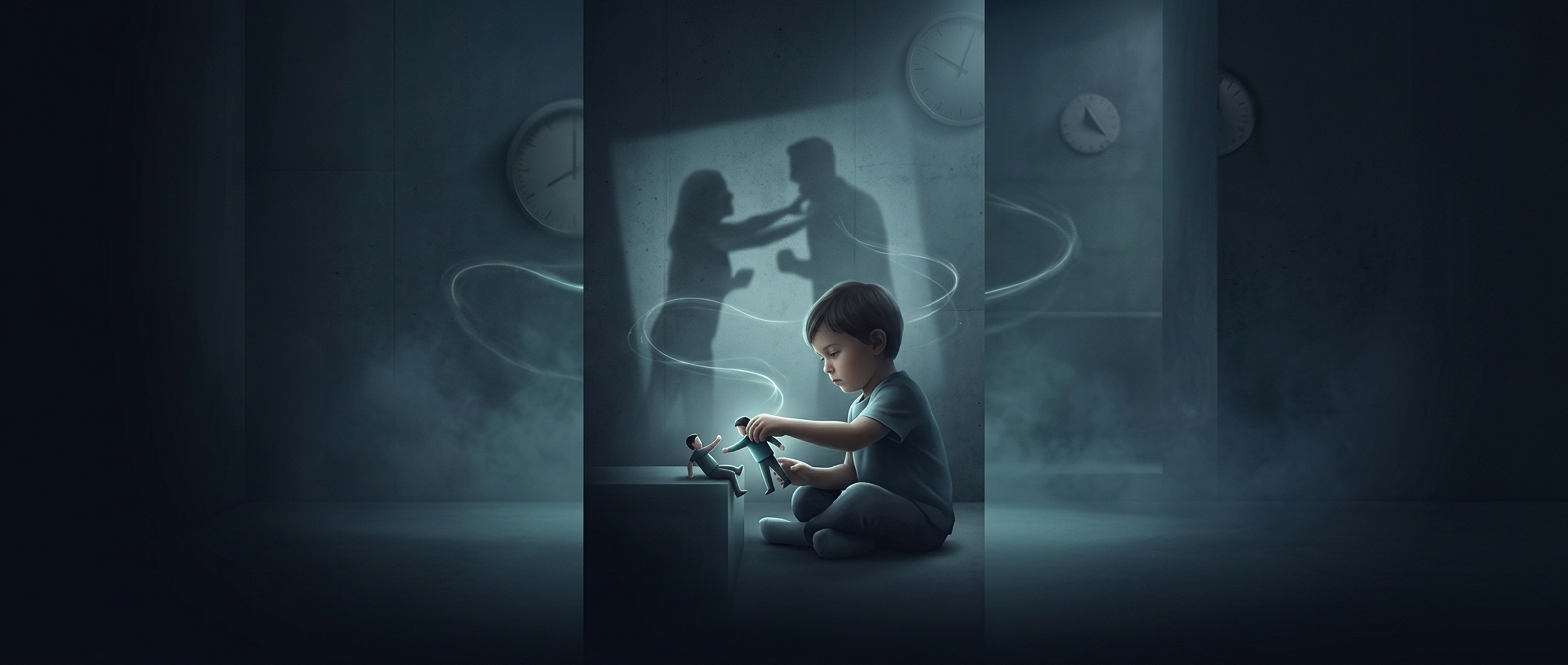
Why toddlers repeat things days later
When a toddler repeats a game or gesture days after seeing it, the child has to retrieve the memory without the original person doing it in front of them.…
Discover more
Completely opposing thoughts can be held simultaneously
A person can believe two clashing things at once: “I want to leave” and “I want this to work.” Each thought may draw on a different memory, fear, or hope. The…
Discover more
Why the feedback sandwich often fails
A compliment, a criticism, another compliment: the pattern is so familiar that people can hear the correction coming before it arrives. Instead of taking in…
Discover more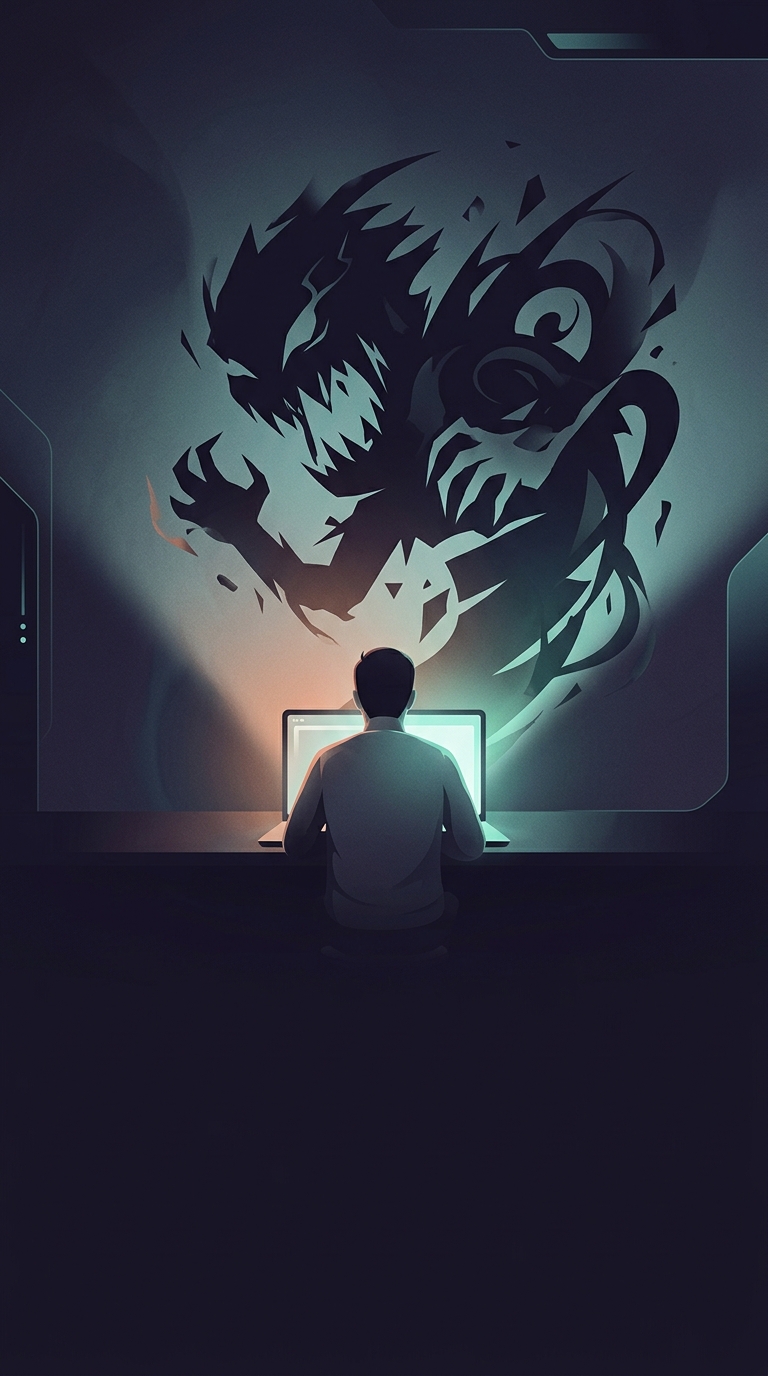
Why will the quietest, nicest person you know suddenly turn into an absolute monster in the comments section?
Why will the quietest, nicest person you know suddenly turn into an absolute monster in the comments section?
Discover more