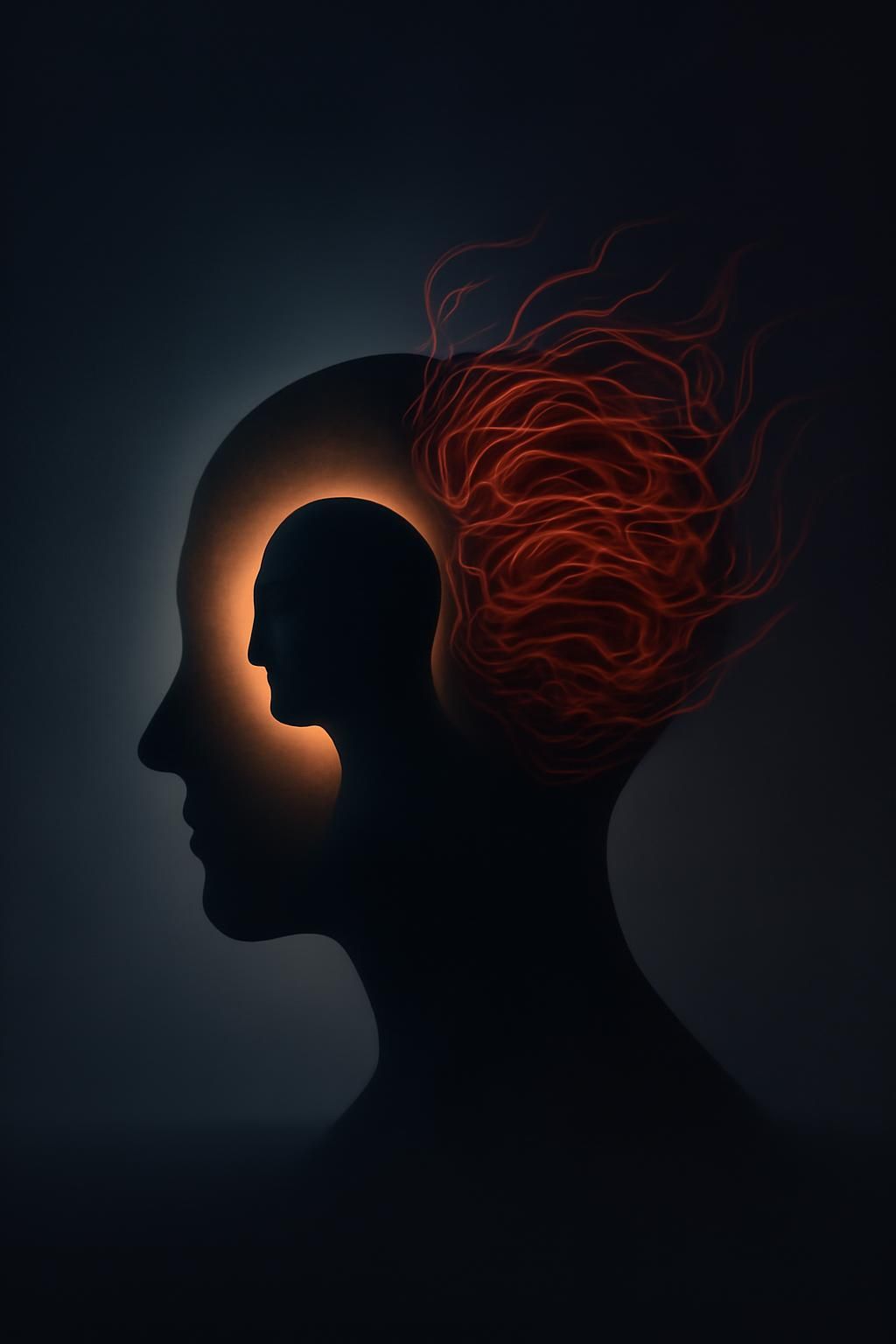
The body sends a signal, not a verdict
A racing pulse, tense muscles, and quick breathing prepare the body to respond. Those changes can accompany fear, excitement, anger, or exertion; none is a unique bodily signature for one emotion. The sensations tell the brain that the body is activated, but they don’t, by themselves, explain why.
To make sense of that activation, the mind combines it with what is happening and what it expects. A sudden roar in a haunted house may be interpreted as part of the fun if you know you’re safe. The same noise in an unfamiliar place may register as a warning. In each case, the setting helps give the bodily rush its emotional meaning.
Why the label can change
This interpretation—often called appraisal, or judging what a situation means for you—can shift the feeling without immediately switching off the body’s response. If a person mistakes a harmless jolt for danger, fear may rise; if they recognize a challenge they chose to face, the same activation may feel energizing.
That doesn’t mean people can freely choose an emotion or that fear and excitement are identical. The situation matters, and intense sensations can be hard to reinterpret. But it helps explain why anticipation can turn a fast heartbeat into either dread or eager excitement—and why changing what you think is happening can alter how the rush feels.