When a Familiar Face Doesn’t Feel Familiar
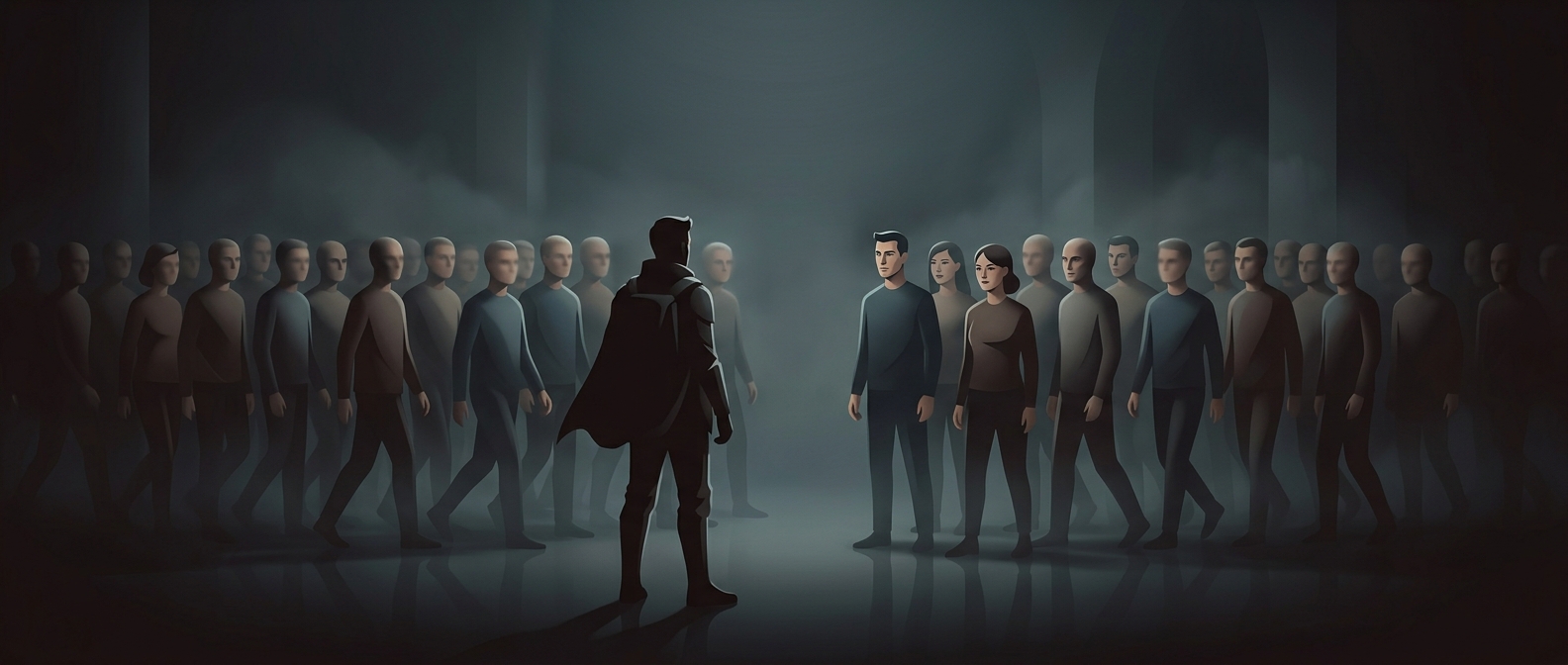
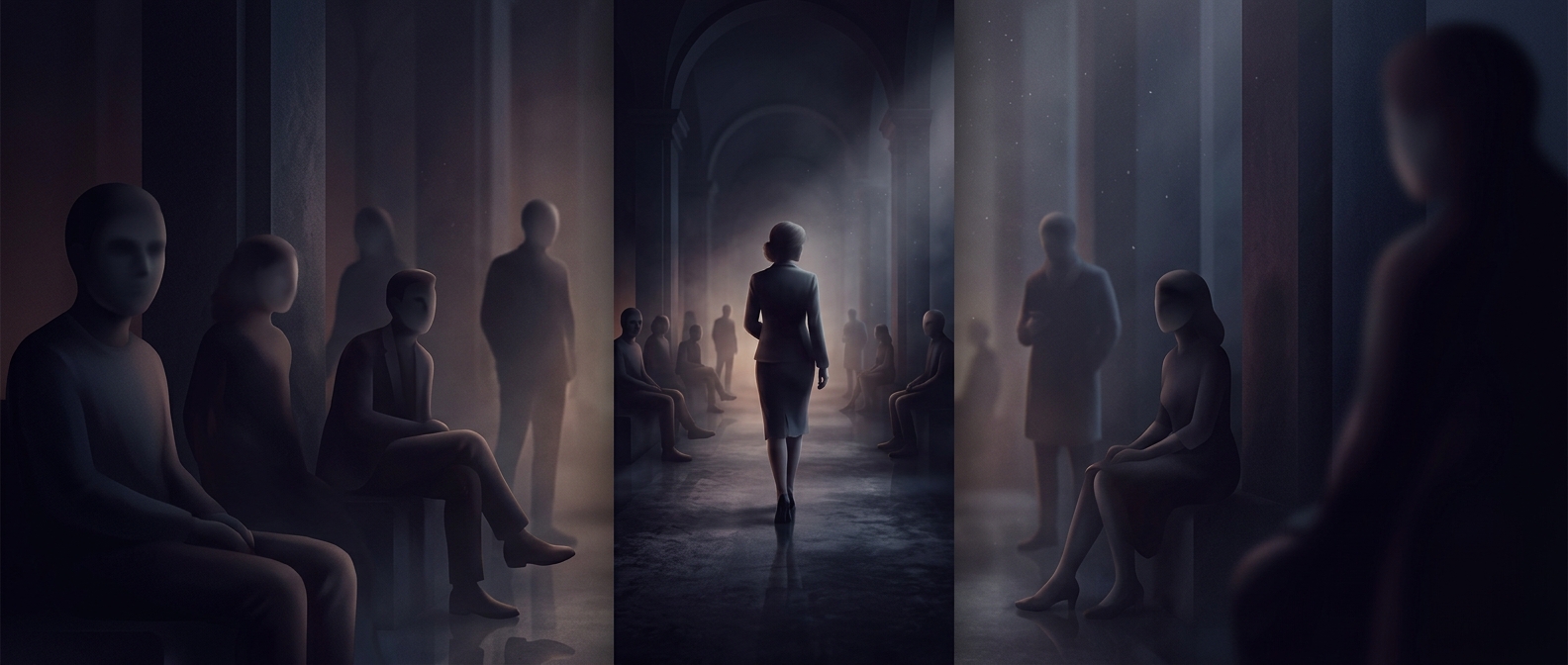
Prosopagnosia, often called face blindness, is a difficulty recognizing people by their faces. It does not usually mean that a person sees faces as blurry or cannot tell one face from another. The harder step is connecting a face to a stored identity: seeing the features clearly, yet not getting the familiar sense of “that’s my friend.”
Recognition Depends on More Than One Clue
In everyday life, people identify one another using a bundle of signals. A voice, hairstyle, clothing, gait, or familiar setting can all help. Someone with prosopagnosia may rely heavily on these cues, recognizing a coworker by their voice at the office but not immediately identifying them in a shop or on the street.
That dependence can make social situations unpredictable. A changed haircut, unfamiliar outfit, or unexpected location removes clues that usually do the work. The person may appear to ignore someone they know, when the real problem is that the face alone has not supplied the identity.
Why the Difference Matters
Face recognition is a specialized part of visual processing: the brain must interpret a face and match it with information about a particular person. Prosopagnosia disrupts that recognition process, but it does not erase memories of people or prevent recognition through other routes. Its effects vary, so some people struggle mainly with unfamiliar faces while others have difficulty recognizing close friends or family.
A practical consequence is that introductions and brief reminders can help more than expecting someone to recognize a face on sight. A familiar voice or a simple “It’s Maya from work” supplies the missing link—and can prevent a recognition difficulty from being mistaken for indifference.