How Familiarity Sharpens Face Memory
Recognizing a face is not just a matter of noticing that it has eyes, a nose, and a mouth. The brain must also encode the particular arrangement of those features—subtle differences in eye shape, spacing, expression, and facial structure—so it can distinguish one person from another later.
Repeated experience helps build that fine-grained skill. When you regularly see people from a group, you get more chances to notice which features vary and which combinations belong to particular individuals. Faces from a less familiar group may instead be encoded more broadly, making separate people harder to tell apart in memory.
Why Faces Can Blur Together
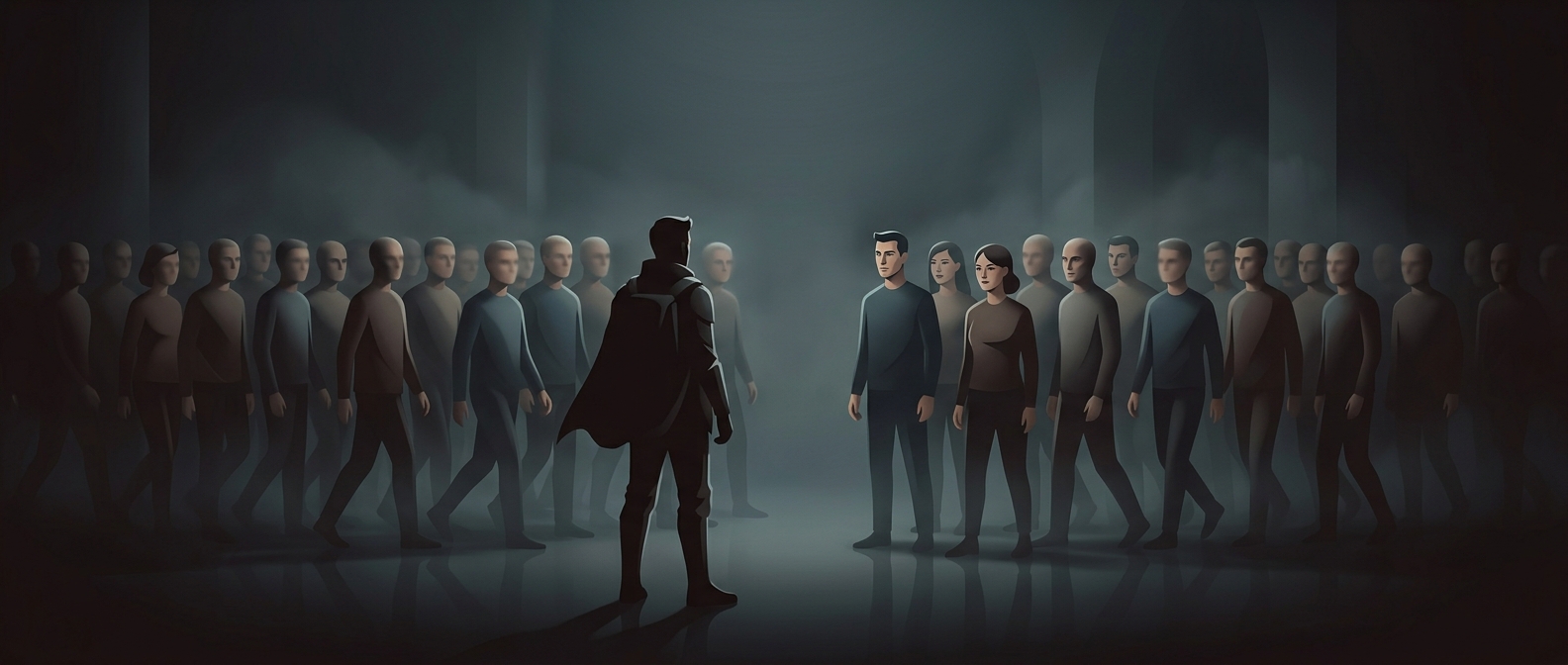
This is often called the other-race effect: people tend to recognize and distinguish faces from groups they know well more accurately than faces from less familiar groups. It is not a claim that those faces are objectively more alike. Rather, attention and experience shape which details a viewer learns to use.
The difference can show up when trying to remember who was present, identify someone seen briefly, or describe a face afterward. If the observer has not learned the subtle cues that separate individuals, memory may preserve a general impression—such as age, hairstyle, or broad facial shape—while losing the details needed to identify one person.
Experience Changes What You Notice
Because the difficulty is tied to familiarity and learned attention, it is not a fixed limit on who someone can recognize. More meaningful, varied contact gives the brain opportunities to practice individuating people rather than treating each face as an example of a broad category. The practical consequence is important: when a face seems hard to place, that uncertainty may reflect the observer’s experience, not a lack of distinctiveness in the person being remembered.