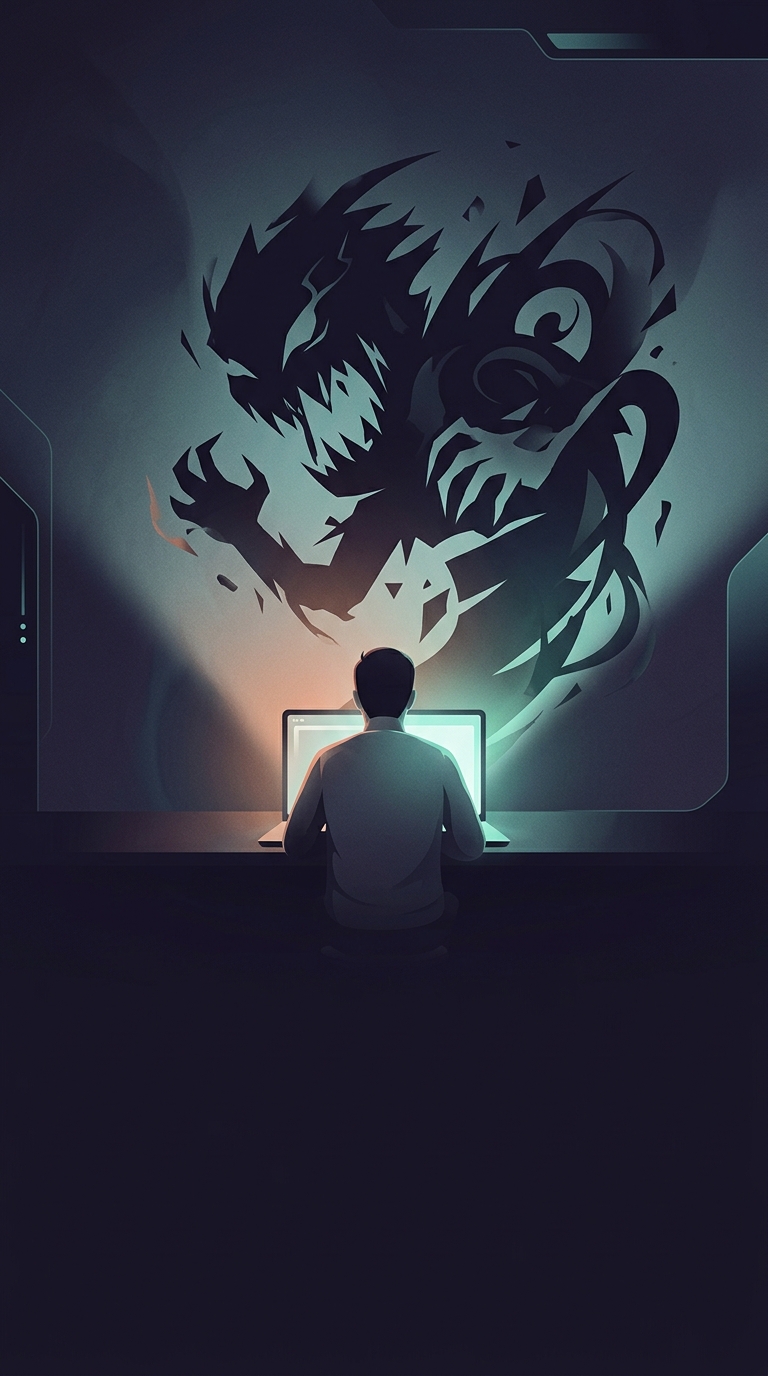
Why online restraint can disappear
In a face-to-face conversation, a sharp remark lands alongside a person’s expression, tone of voice, and immediate response. Those cues make the other person’s feelings hard to miss—and give you a moment to reconsider. A comment box strips many of them away. The recipient can seem less like a person and more like an argument on a screen, so empathy and self-restraint may have less to work with.
Distance changes the social cost
Online, people often feel less identifiable or less exposed than they would in person. Even when an account is not anonymous, the physical distance can create a sense of separation from the consequences. A user may not see the hurt, anger, or awkward silence that follows a cruel comment. Without that feedback, it is easier to tell yourself that the remark is harmless, deserved, or simply part of the conversation.
Timing matters, too. A post written in irritation can be sent in seconds, while the response may arrive later—or not at all. That delay weakens the natural pause in which someone might notice another person’s reaction and soften their words. In a fast-moving thread, the prospect of approval from an audience can also reward a cutting reply more than a careful one.
The same person, fewer brakes
This shift is often called online disinhibition: digital settings can lower the restraints people usually feel in social encounters. It does not mean that everyone becomes hostile online, or that a screen erases responsibility. It helps explain why someone who is considerate in person may write with surprising cruelty when the human reactions are out of view.
A useful test is to imagine the recipient reading the comment aloud, face-to-face. Restoring that missing scene can make the consequences visible before the message is sent.