How the Brain Knows You’re Tilting
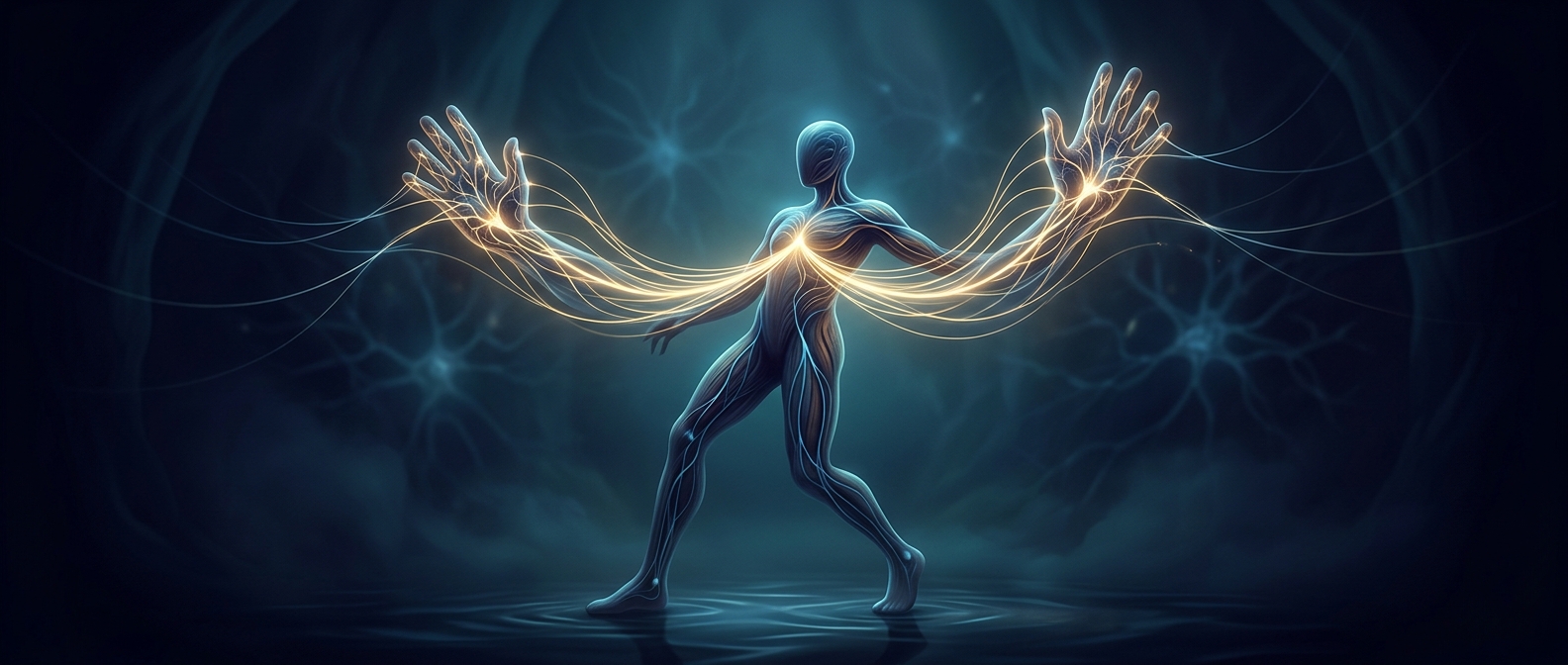
Even when you stand still, your body makes tiny adjustments. Sensors in muscles and tendons register how stretched they are, while receptors in joints provide clues about limb position. These signals—proprioception—reach the brain without requiring you to look at your feet or consciously map every movement.
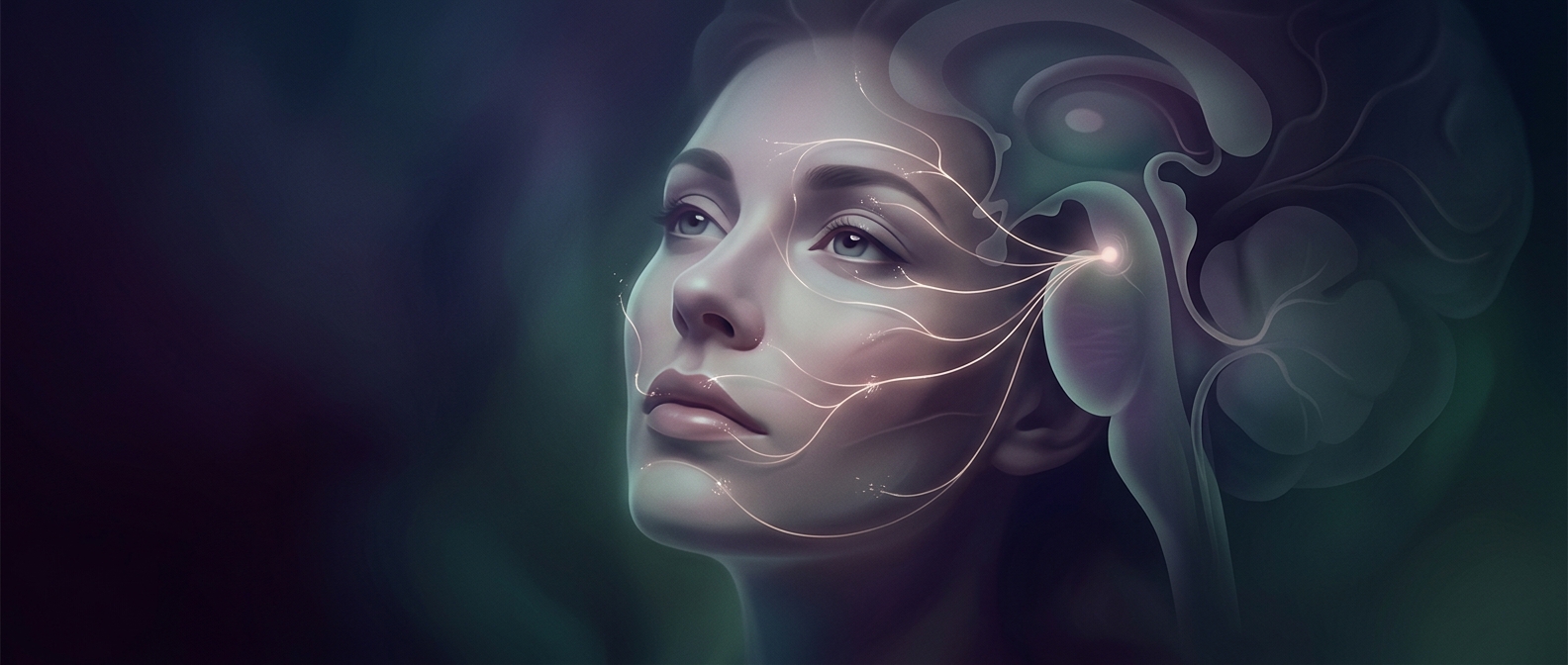
The brain also receives information from the inner ear’s vestibular system. Fluid and tiny sensory structures there respond as the head moves, helping distinguish a tilt or turn from a change in the scene around you. Vision adds another reference point: it can show whether the body is shifting relative to the surroundings.
Turning a Sway Into a Correction
The brain compares these streams of information. If the body begins to lean, changing pressure under the feet and shifting muscle signals indicate the direction of the sway. The nervous system can then activate muscles in the ankles, legs, and trunk to move the body back toward a stable position—often before the person notices the adjustment.
This is not a single, perfectly reliable signal. The brain weighs whatever information is available. Close your eyes, and vision can no longer help; stand on an uneven surface, and signals from the feet may be less dependable. Balance becomes harder because the brain has fewer clear clues, not because the body has stopped sensing position.
That quiet coordination is why standing on one leg is much easier with eyes open: the brain can use the floor, the body, and the inner ear together to catch a small wobble before it grows.