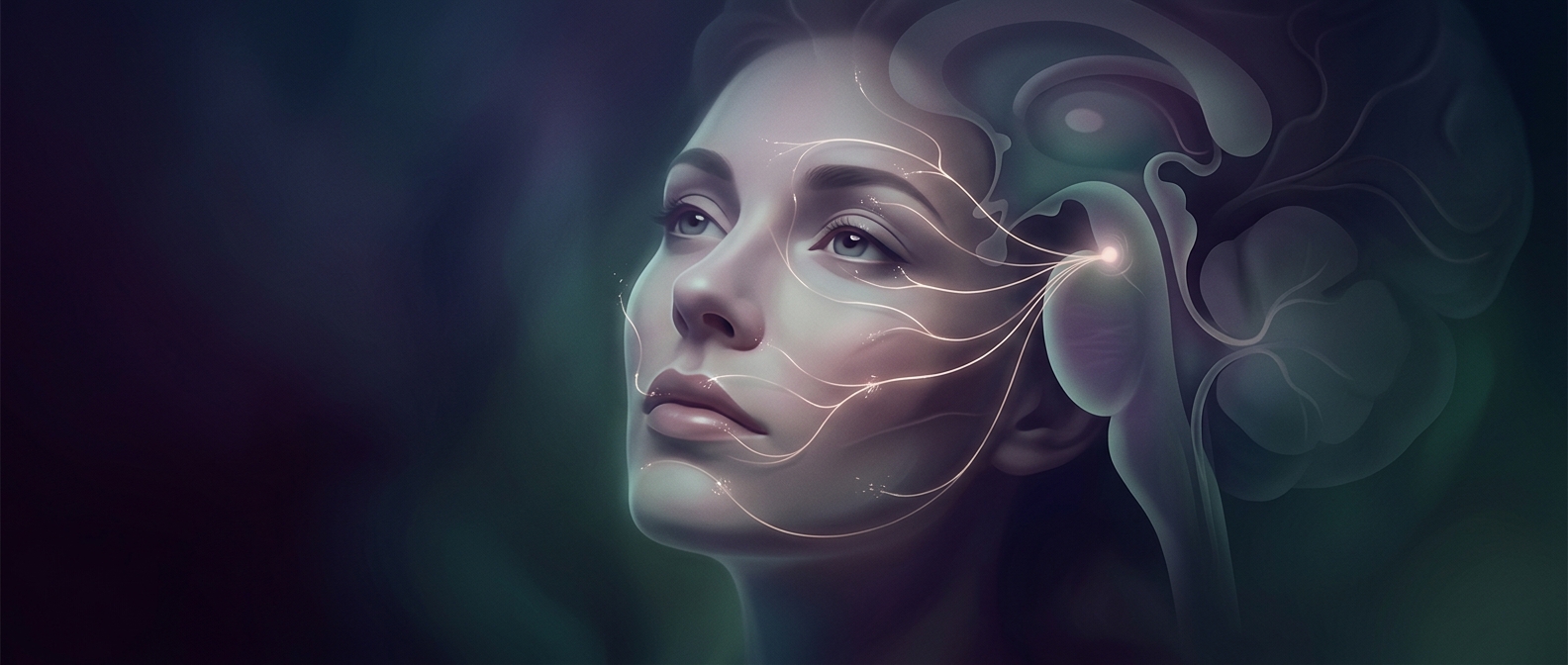
How a feeling reaches the face
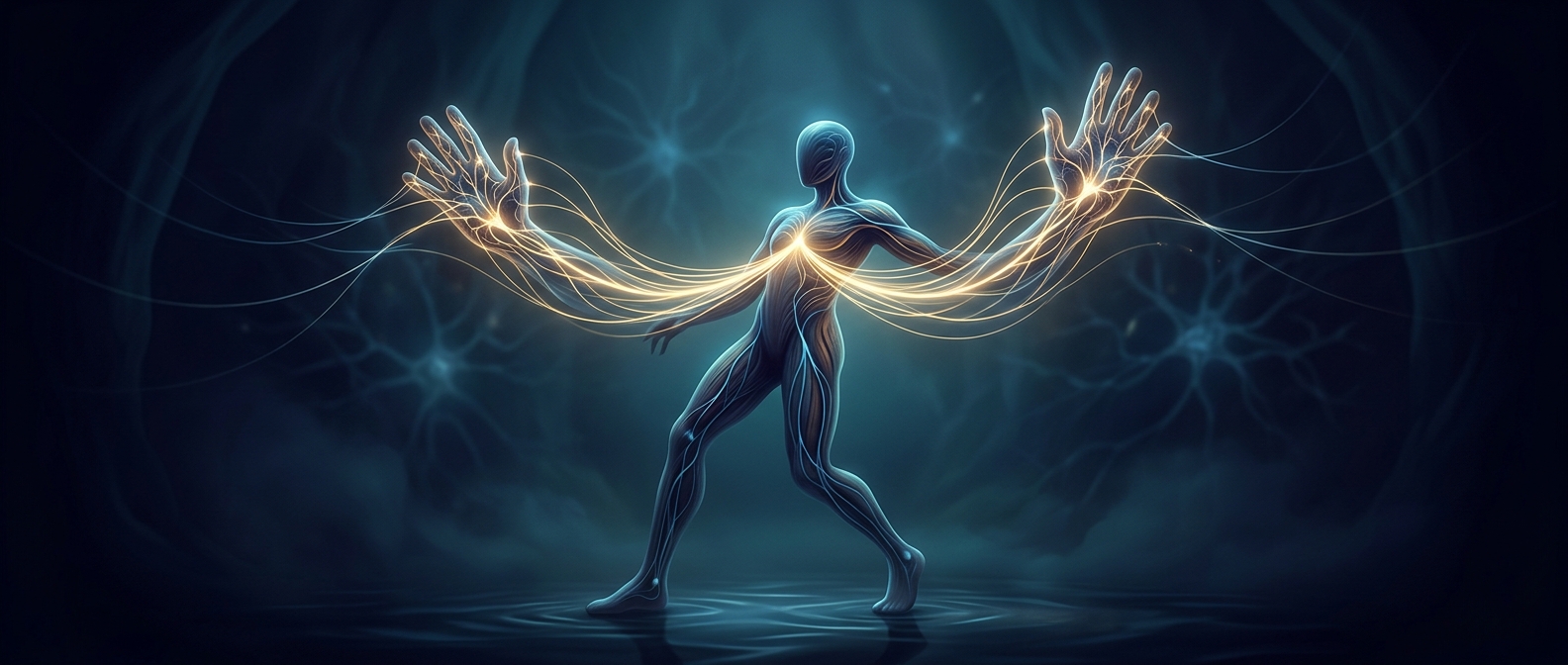
A facial expression is the final step in a chain of signals, not a command sent directly from conscious thought to each muscle. In the brainstem, the pons contains the facial motor nuclei: clusters of nerve cells that send movement instructions through the facial nerves to muscles around the eyes, mouth, and cheeks.
Those nuclei receive input from several parts of the brain. Signals linked to emotion and attention can reach them alongside signals involved in deliberate movement. When something startling or funny happens, the routes that produce an immediate response may act before the brain has settled on a controlled expression.
Why the first expression can differ
The quick response is not necessarily a secret message or a perfectly honest display. It is a movement produced before deliberate control has fully shaped it. A smile may start, for example, and then be softened or hidden as a person decides how to respond. The pons helps carry the motor signals that make the movement possible; it does not decide what the person feels or intend to reveal.
This division between rapid response and deliberate adjustment is useful: facial muscles can react promptly, while people can also modulate their expressions for social situations. The next time an expression flickers and changes, the visible shift may reflect two stages of response—an immediate motor reaction, followed by conscious editing.