The Ebbinghaus illusion turns context into a ruler
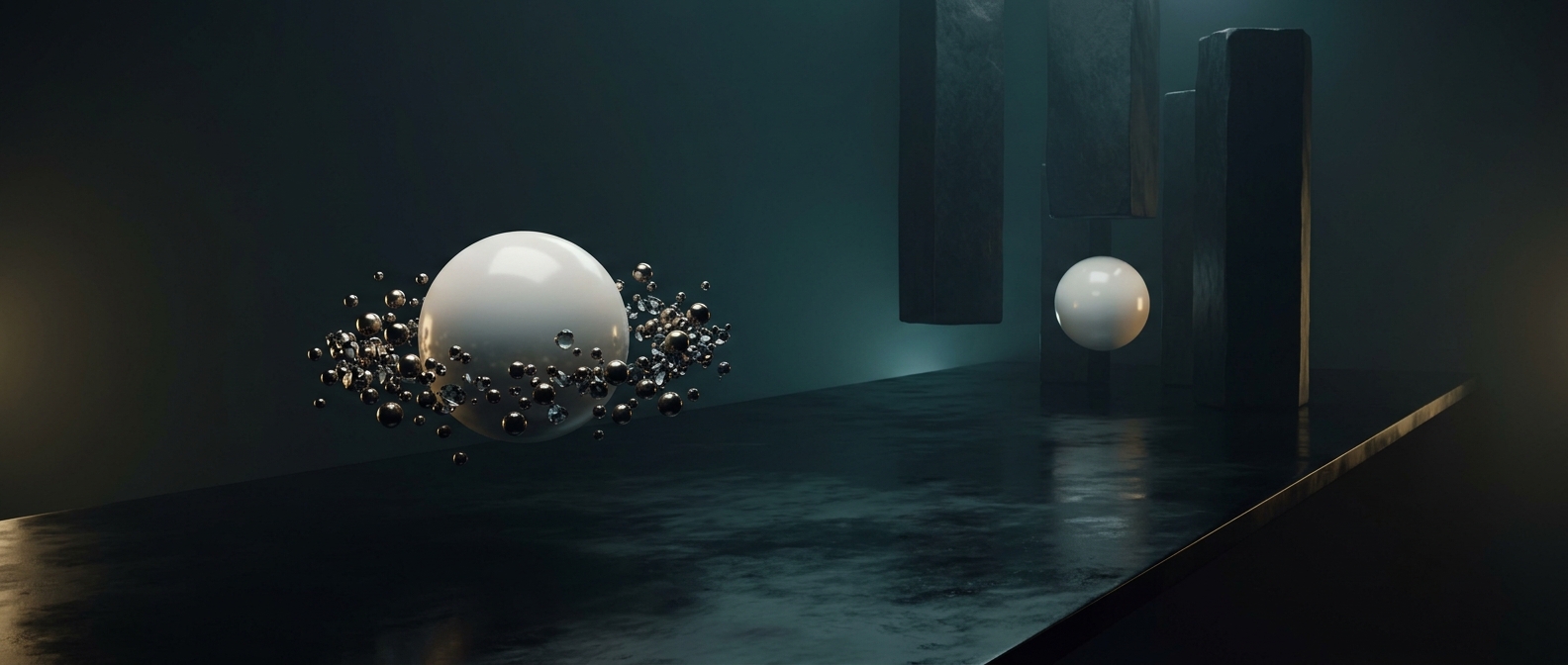
In the Ebbinghaus illusion, a central circle is ringed by either smaller or larger circles. The central circle stays the same, but it tends to look larger among small neighbors and smaller among large ones. The pattern demonstrates that seeing size is not simply a matter of measuring an object’s outline; the visual system also weighs nearby comparisons.
How the comparison changes the impression
The surrounding circles create a local reference scale. Against small circles, the target stands out as relatively large; against large circles, it seems relatively small. The brain combines that relationship with the target’s visual boundary to form its impression of size. It does not need to consciously calculate a ratio for the contrast to affect what you see.
This is a perceptual effect, not a change in the circle itself. Looking carefully—or measuring the circles—shows that the target has the same diameter in both arrangements. But knowing that does not necessarily make the two versions look equal at a glance.
A reminder about visual judgments
The illusion is useful because it makes a hidden habit visible: the brain often interprets objects in relation to their surroundings rather than treating each one as an isolated measurement. That habit helps make sense of a complex scene quickly, but it can also skew a simple judgment. In this case, changing only the neighbors is enough to make the very same circle seem to grow or shrink.