How Your Brain Tracks a Limb Without Seeing It
Close your eyes and raise one hand. You can usually tell where it is because your brain receives a steady stream of information from inside the body. This sense is called proprioception: awareness of the position and movement of your limbs without relying on sight.
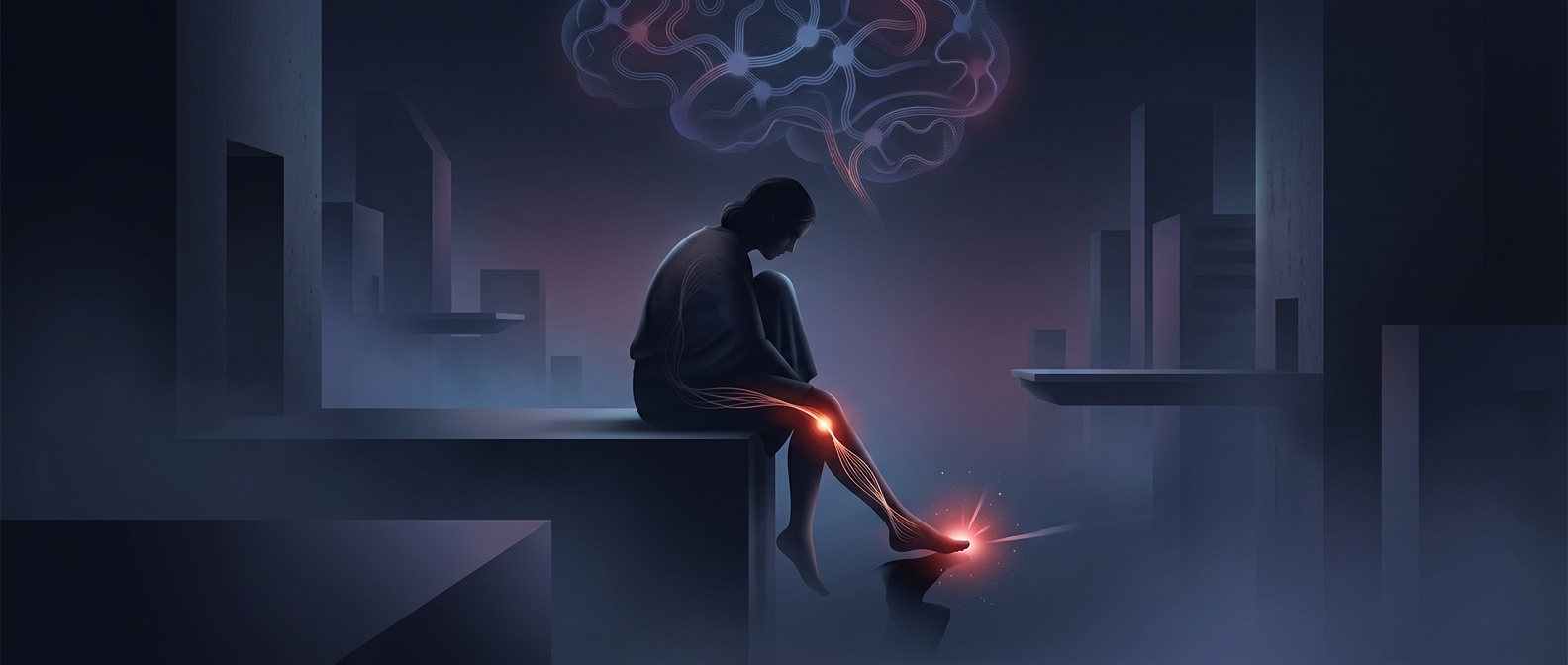
Sensors in muscles and tendons respond as those tissues stretch or tighten. Other sensors in and around joints contribute information about movement and position. Their signals travel to the nervous system, where the brain combines them with input from the skin, balance system, and vision when available. No single sensor provides a complete map; the sense of position emerges from the combined signals.
Why Reaching in the Dark Works
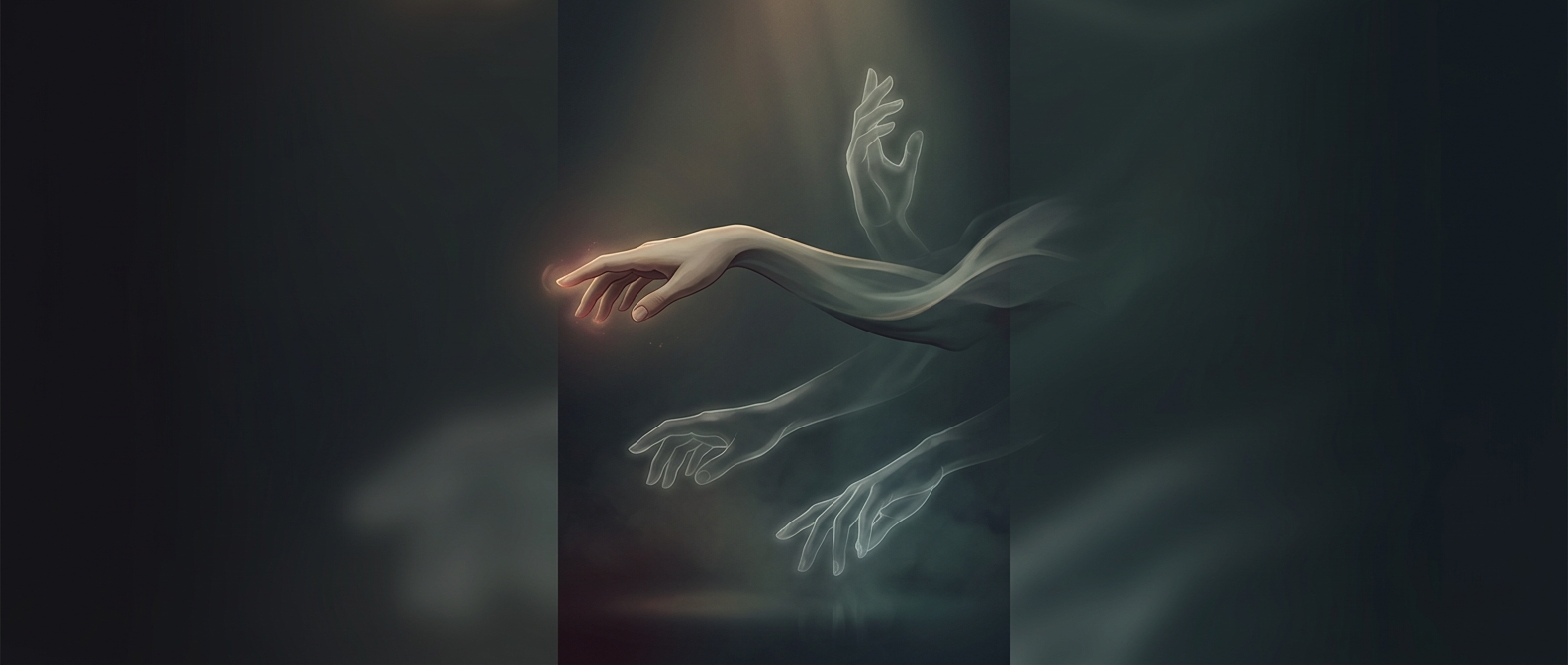
As you extend an arm toward a light switch, the changing tension in muscles and tendons reports how the arm is moving. Your brain uses that feedback to estimate where the hand is and adjust its path. The estimate is continuously updated, so a reach is not simply a command sent once and then left to run. Touch can add a final check when your fingers meet the switch.
That internal estimate also helps the body coordinate actions that happen too quickly for you to watch each part closely. You can bring a spoon to your mouth, for example, while your eyes focus elsewhere because the brain is tracking the moving arm in the background.
When the Signals Do Not Match
If proprioceptive information is reduced or disrupted, a limb can be harder to guide accurately without looking. Vision may help compensate: watching the hand supplies information that the usual internal signals are not providing reliably. Even in everyday situations, conflicting or unexpected signals can make a movement feel awkward because the brain’s estimate of the limb’s position no longer fits what it sees or feels.
The surprising part is that this awareness usually stays out of conscious attention. Your brain keeps updating the body’s internal map while you do something else—which is why a dark room can hide the switch, but not necessarily your hand.