How a beautiful moment becomes a bodily jolt
A shiver during music or a moving scene can begin with a simple pattern: your mind senses that something is building, then the moment arrives in a way that feels especially satisfying. A melody reaches its long-awaited resolution, for example, or a singer suddenly rises above the accompaniment. The contrast between expectation and payoff can make the emotion feel unusually intense.
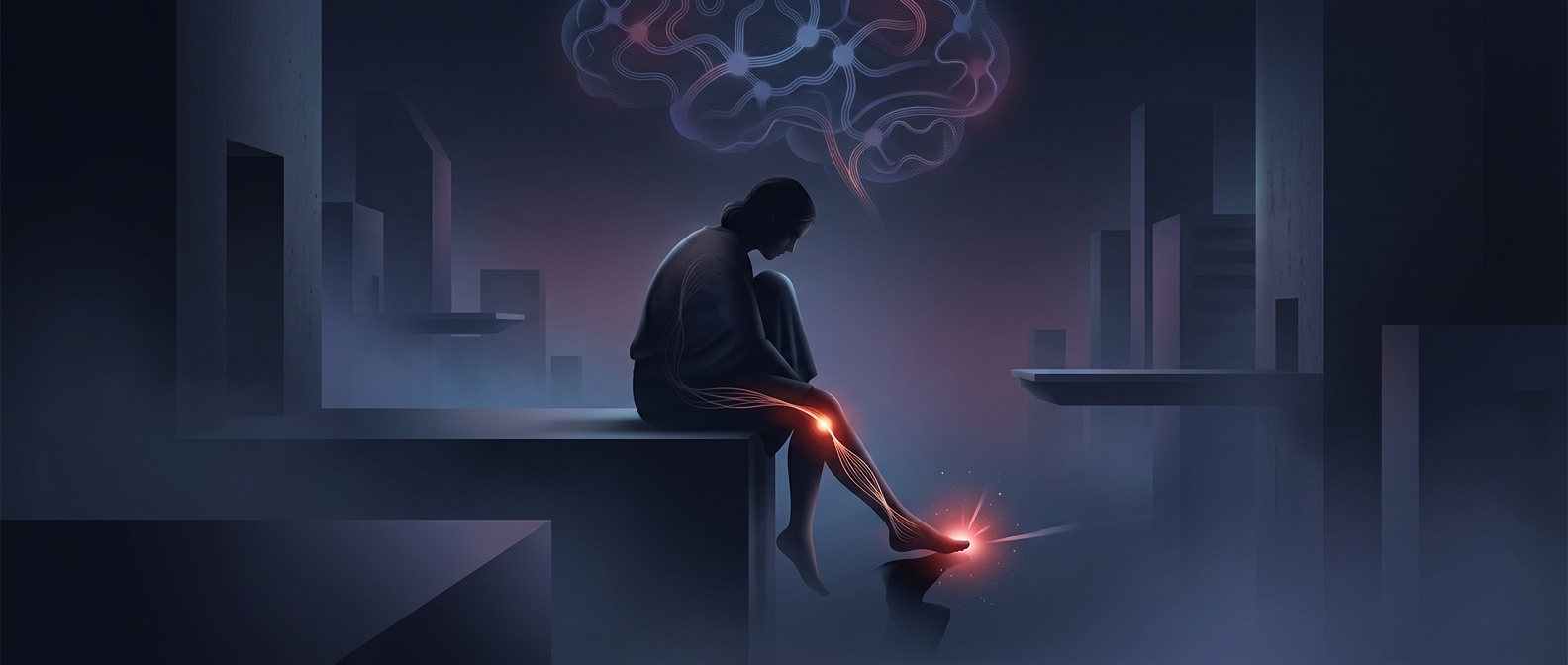
That intensity recruits the body’s arousal response—the automatic changes that prepare you to react, including shifts in heart rate, breathing, and muscle tension. When tiny muscles attached to hair follicles contract, the skin puckers into goosebumps. A shiver can accompany the same surge of activation.
Why chills do not require cold
Goosebumps are often associated with cold because the response can help raise body hairs and conserve heat in fur-covered animals. In people, whose body hair offers little insulation, the reaction remains even when temperature is not the cause. Strong emotion can trigger it through the nervous system instead.
The sensation is not proof that a moment is objectively beautiful, or that everyone will react the same way. It reflects how a particular person’s body responds to a particular experience. A build-up, surprise, or resolution may hit one listener deeply and leave another untouched.
That is what makes the reaction so striking: the skin can register an emotional turning point before you have put the feeling into words.