Why an injury and its pain can diverge
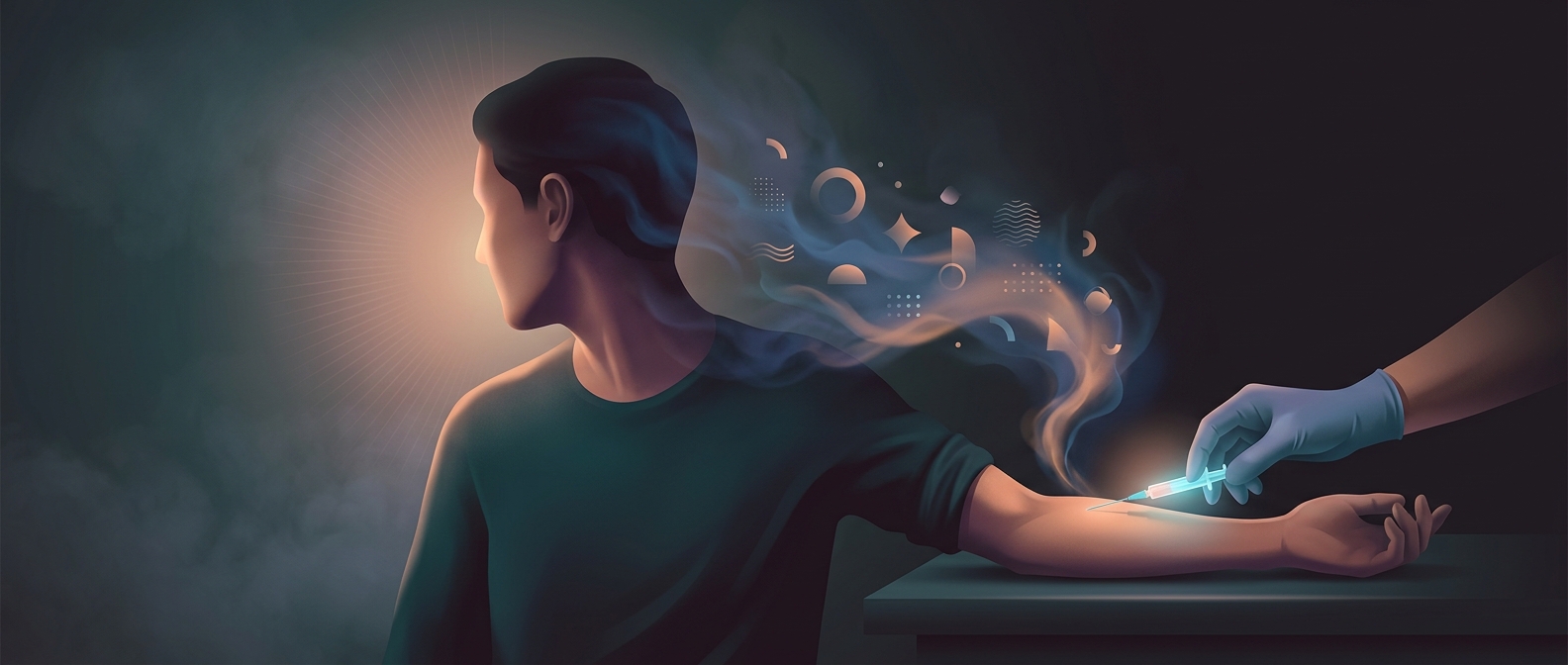
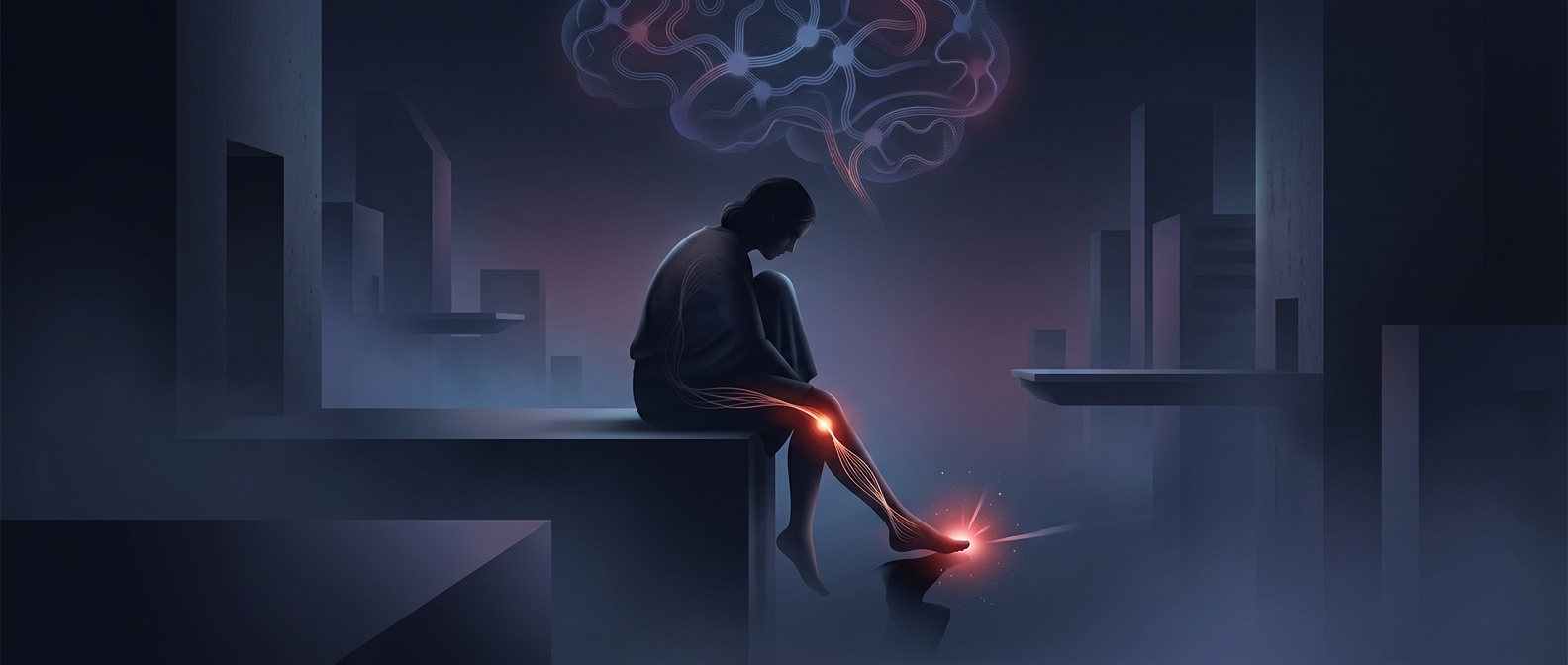
Pain is the brain’s experience of danger, not a direct measurement of damaged tissue. Specialized nerve endings detect potentially harmful heat, pressure, or chemicals. Their signals travel through the spinal cord to the brain, where they are interpreted alongside attention, memory, and other information. If this signaling or processing is unusually muted, the same injury can produce much less pain than expected.
That does not mean the injury is minor. A person may have a fracture, burn, or other serious damage while receiving a weak warning from the body. Pain also varies for less lasting reasons: stress and intense concentration, for example, can change how strongly it is felt. In rare cases, inherited conditions disrupt pain sensation more persistently.
The missing alarm changes what happens next
Pain normally pushes people to stop, protect an injured area, and seek help. When that alarm is faint, someone may keep using a damaged limb or fail to notice repeated burns or wounds. The consequences can accumulate before the problem becomes visible through swelling, bleeding, limited movement, or another sign.
That is why pain and injury have to be judged separately. A person’s calm appearance—or their report that something barely hurts—cannot reliably show how much harm has occurred. When pain sensation is reduced, careful attention to the body and its visible changes becomes especially important.