How a memory can feel like warmth
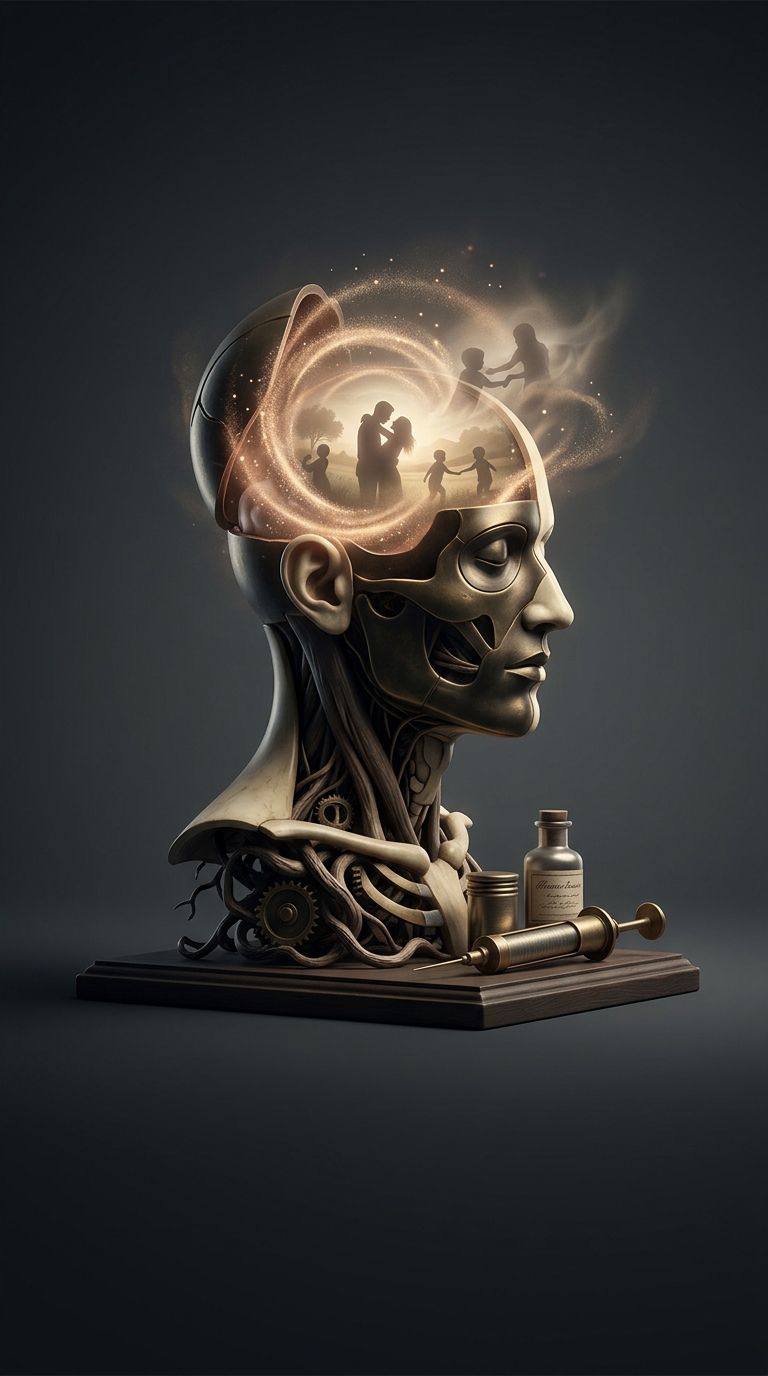
Nostalgia is not just a picture of the past. It often brings back the emotional texture of an experience: who was there, whether you felt cared for, and how safe the moment seemed. Those feelings can influence how the body interprets sensations arriving now—including cold.
The brain does not read temperature like a thermometer. It combines signals from the skin and body with attention, expectations, and emotional state to create the feeling of being warm or chilly. A comforting memory can shift that interpretation, making a person feel warmer even though the surrounding air has not changed.
Comfort changes the experience, not the room
This is a change in perceived warmth, not evidence that remembering something cozy reliably raises body temperature. Nostalgia can make cold feel less salient, much as feeling calm or secure can make discomfort easier to bear. The memory supplies emotional comfort; the brain’s appraisal of the present sensation changes along with it.
That distinction explains why the effect can be vivid without being a substitute for a coat or a heater. On a cold day, recalling a beloved kitchen or a safe home may soften the feeling of being chilled—but it does not remove the physical conditions causing heat to leave the body. The mind can make the cold feel less harsh while the room stays exactly as it was.