Why the ending changes what old messages mean
An old chat is a record of what someone said, but rereading it is not the same as encountering those words for the first time. You now know how the relationship turned out. That knowledge gives your mind a ready-made storyline, and it can make an ordinary pause, joke, or change of tone seem like an early clue.
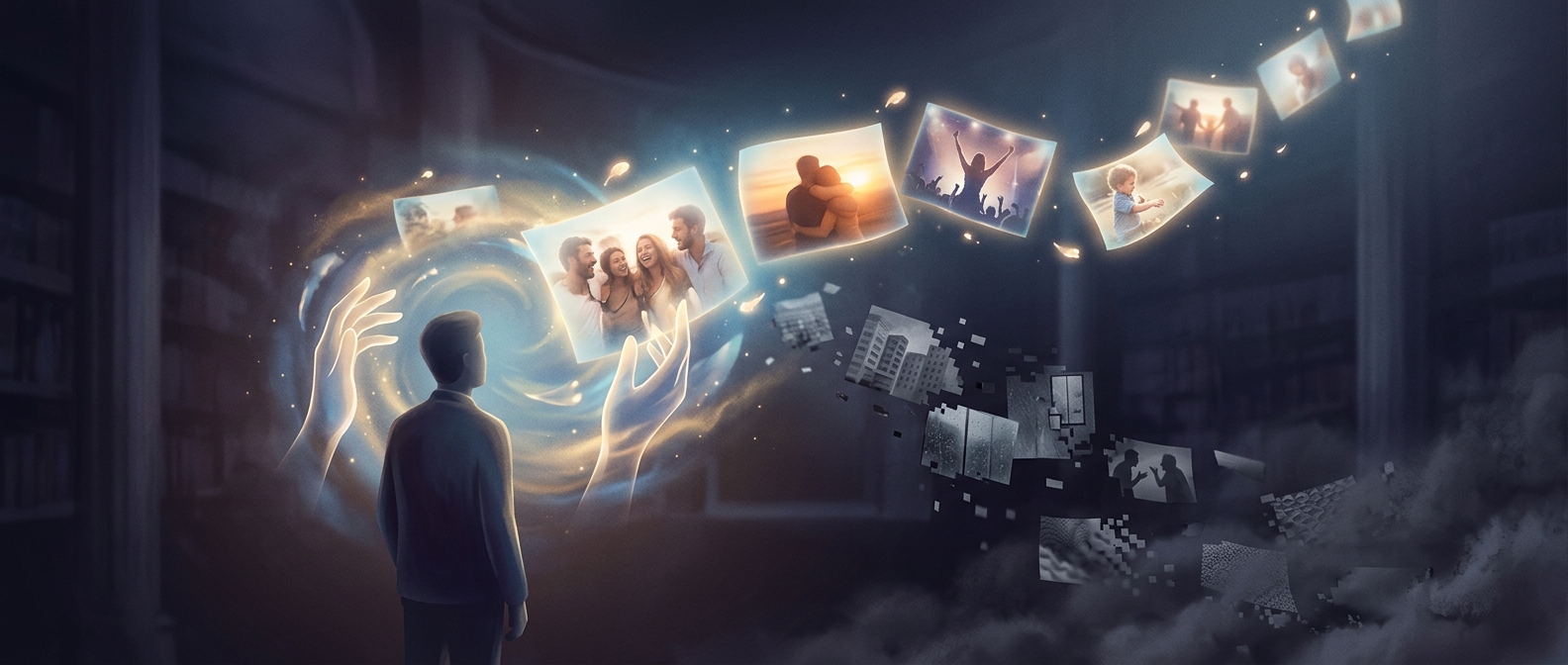
Psychologists call this hindsight bias: once an outcome is known, it can feel as though it was more predictable than it really was. While rereading, you may remember the ending vividly but have less access to the uncertainty you felt at the time. Messages that once seemed ambiguous can start to look obvious in retrospect.
Your present self becomes the narrator
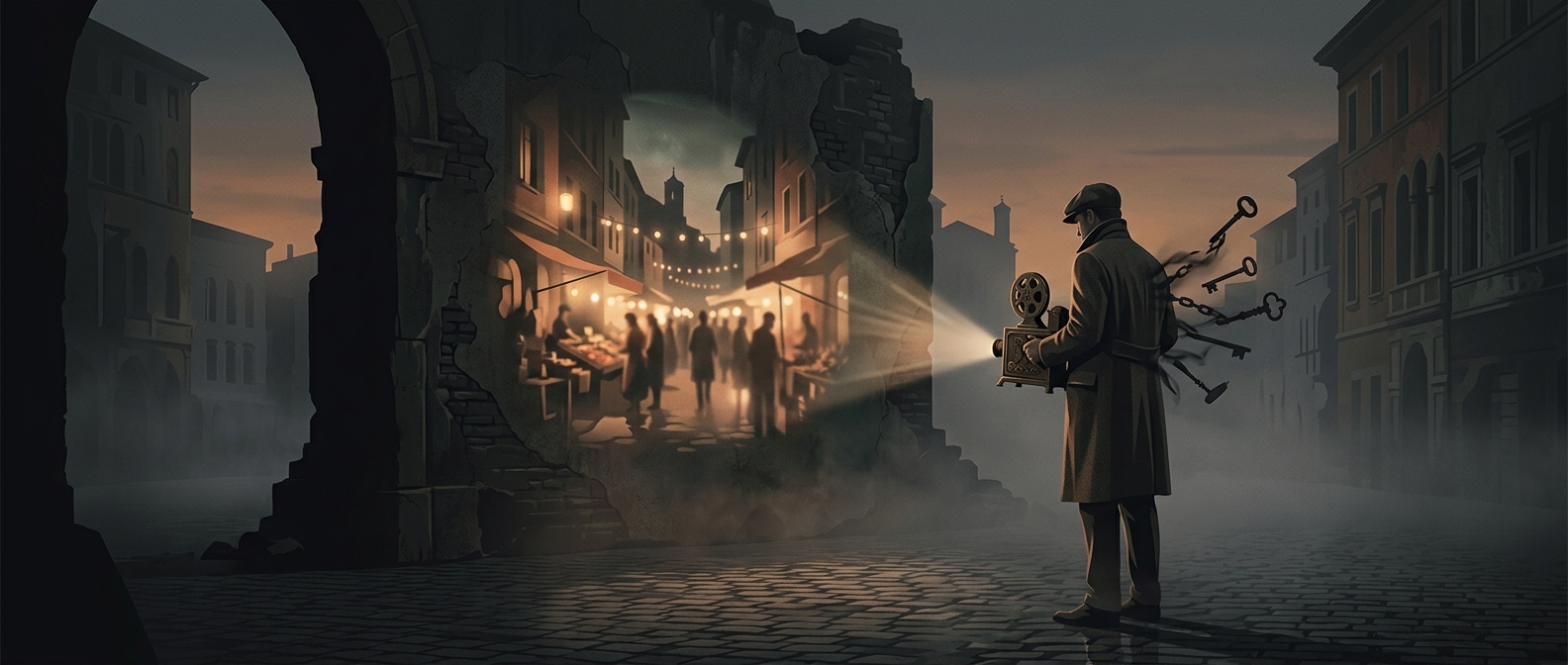
The chat itself has not changed; the context around it has. You may know what happened later, what was never said, or which hopes did not work out. That information colors how you interpret earlier lines. A short reply can seem cold because you know the relationship later cooled. A warm message can feel painful because you know it did not guarantee what you wanted.
This can also create a mismatch between your past and present selves. The person who sent those messages did not have today’s knowledge. But rereading makes it easy to judge that person as if they should have recognized the ending—or acted differently—with information they did not yet have.
Why scrolling can feel like replaying it
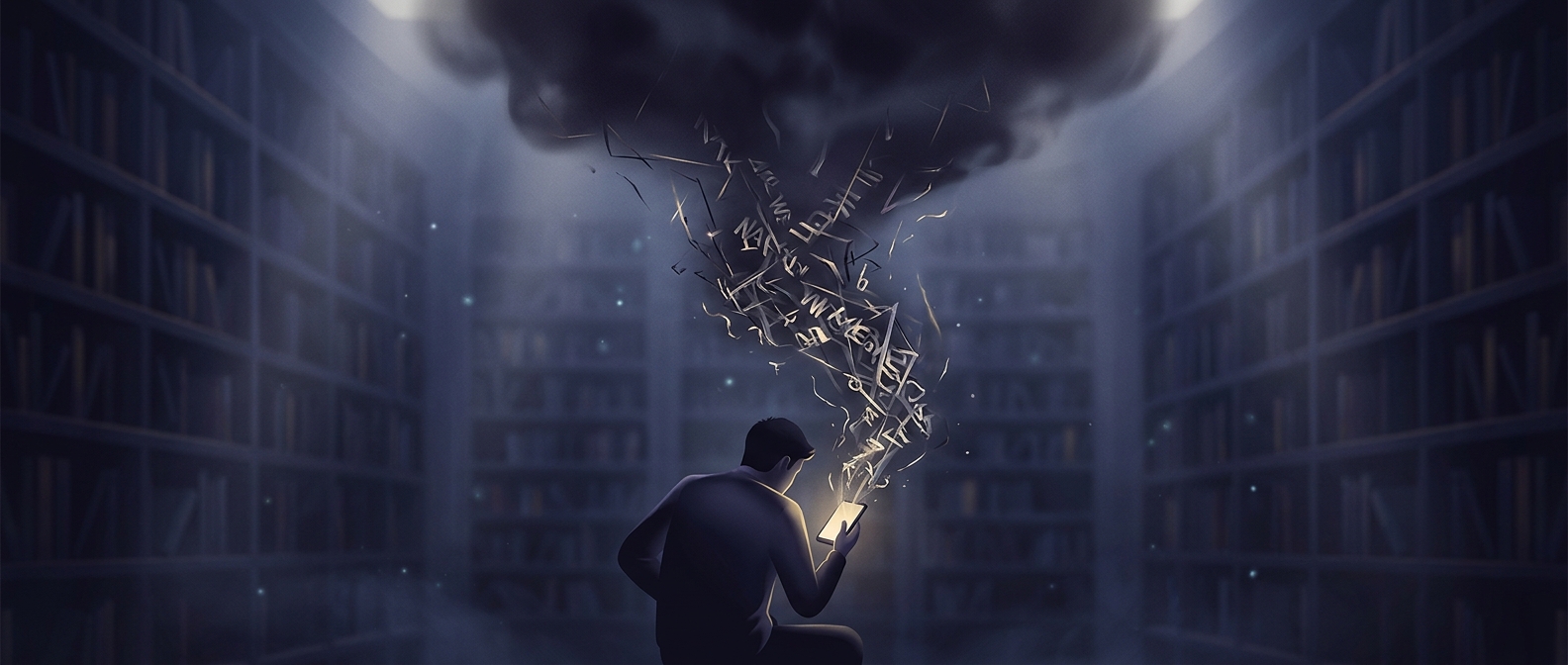
Messages are concrete and easy to revisit, so they can invite repeated searching for the moment everything supposedly changed. Each pass may feel like an investigation, but it can also keep the relationship mentally present: you are not only recalling what happened, you are repeatedly supplying it with meaning from the aftermath.
That is why an old chat can feel less like a neutral archive than a story with a fixed ending. The painful twist is that the clues seem clearest only after you already know where the story goes.