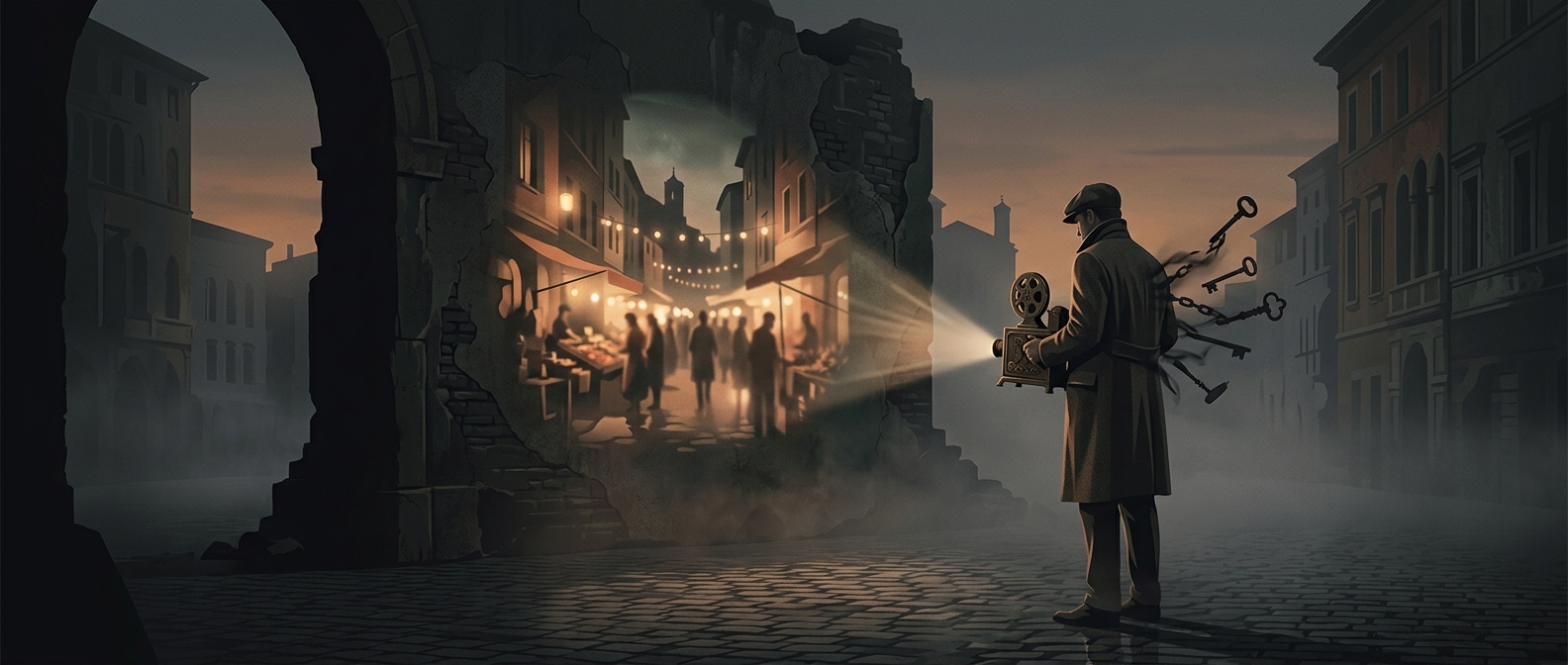
How nostalgia turns a neighborhood into a boundary
“Little Italy syndrome” can describe the pull of an idealized ethnic neighborhood: a remembered place becomes a symbol of who a community is. A smell, a street corner, or a family story can make the past feel vivid and shared, even for people who know it through relatives’ memories rather than firsthand experience.
Nostalgia is selective. It brings certain details forward—food, familiar rituals, close-knit streets—and lets others recede, such as conflict, hardship, or change. That selectivity can make a complicated history feel like a simple story of belonging.
From shared memory to gatekeeping
The shift happens when a memory is used not just to express attachment, but to set a test for membership. If one version of the neighborhood is treated as the authentic one, people can imply that those who do not share its language, traditions, ancestry, or history belong less. New residents and later generations may be cast as outsiders to a story that is still changing.
This is the “weaponization” of nostalgia: the feeling itself is not the weapon; the argument built around it is. A cherished memory can support solidarity and preserve cultural knowledge. It can also lend emotional force to claims about who has the right to represent a place or decide its future. The same remembered Sunday dinner can welcome someone into a community—or be used to suggest they were never truly part of it.