Nostalgia without a personal memory
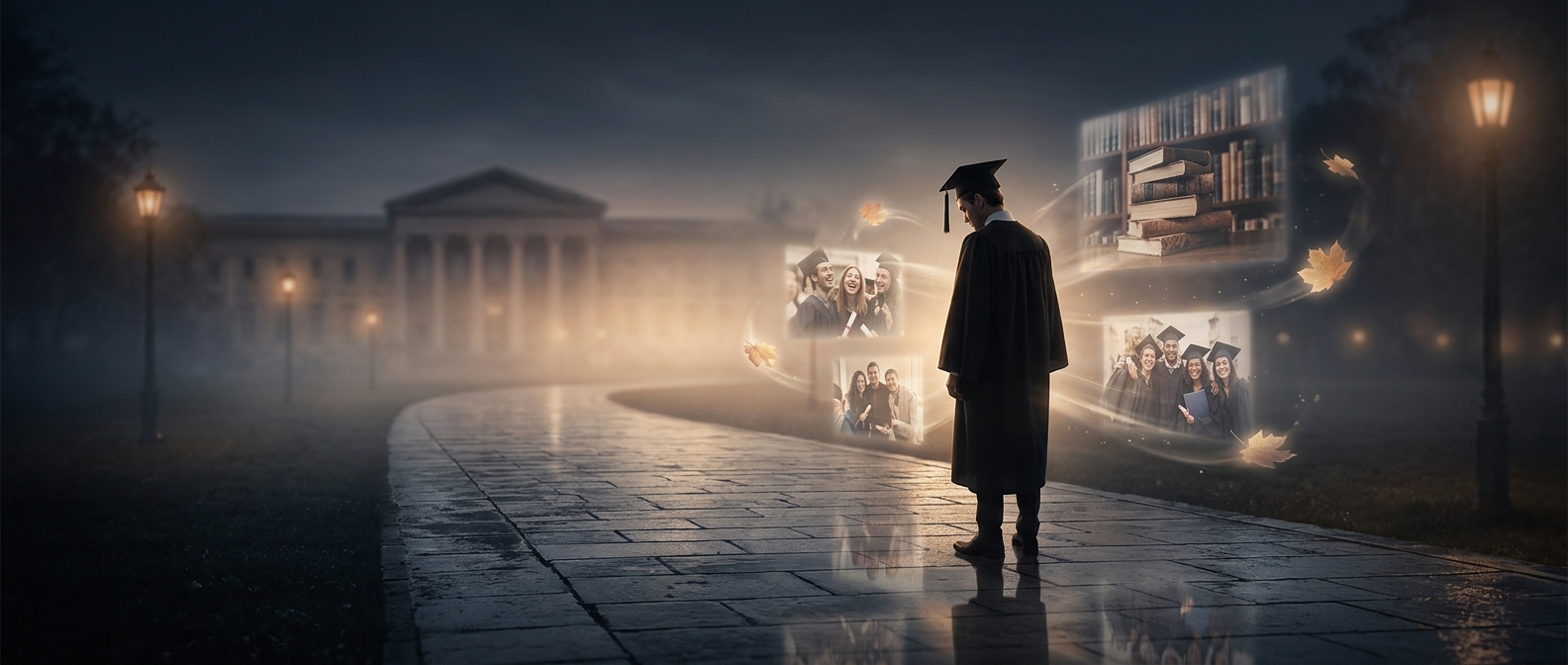
Nostalgia usually means longing for a past one remembers living through. But people can feel a similar pull toward an era they never experienced firsthand. The feeling is real; what is missing is the autobiographical memory—the record of events from one’s own life.
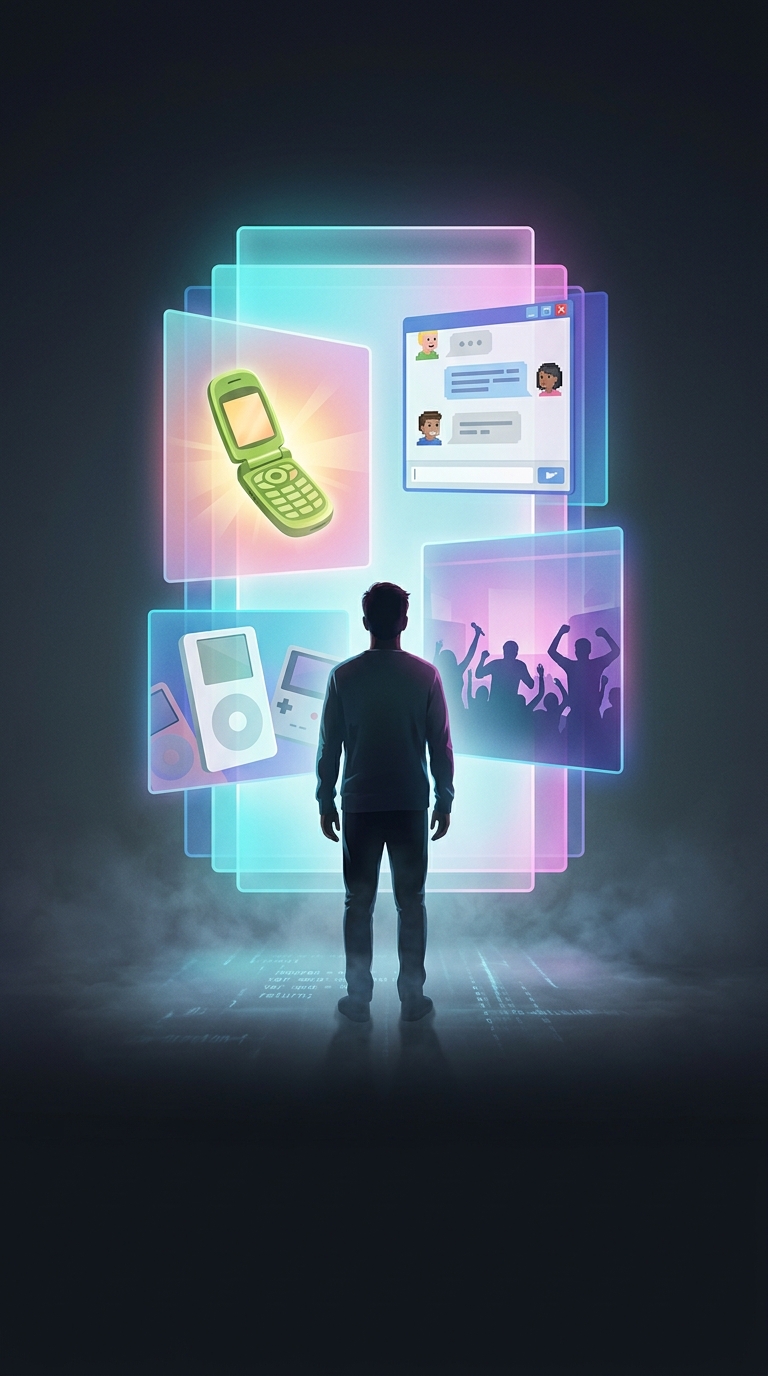
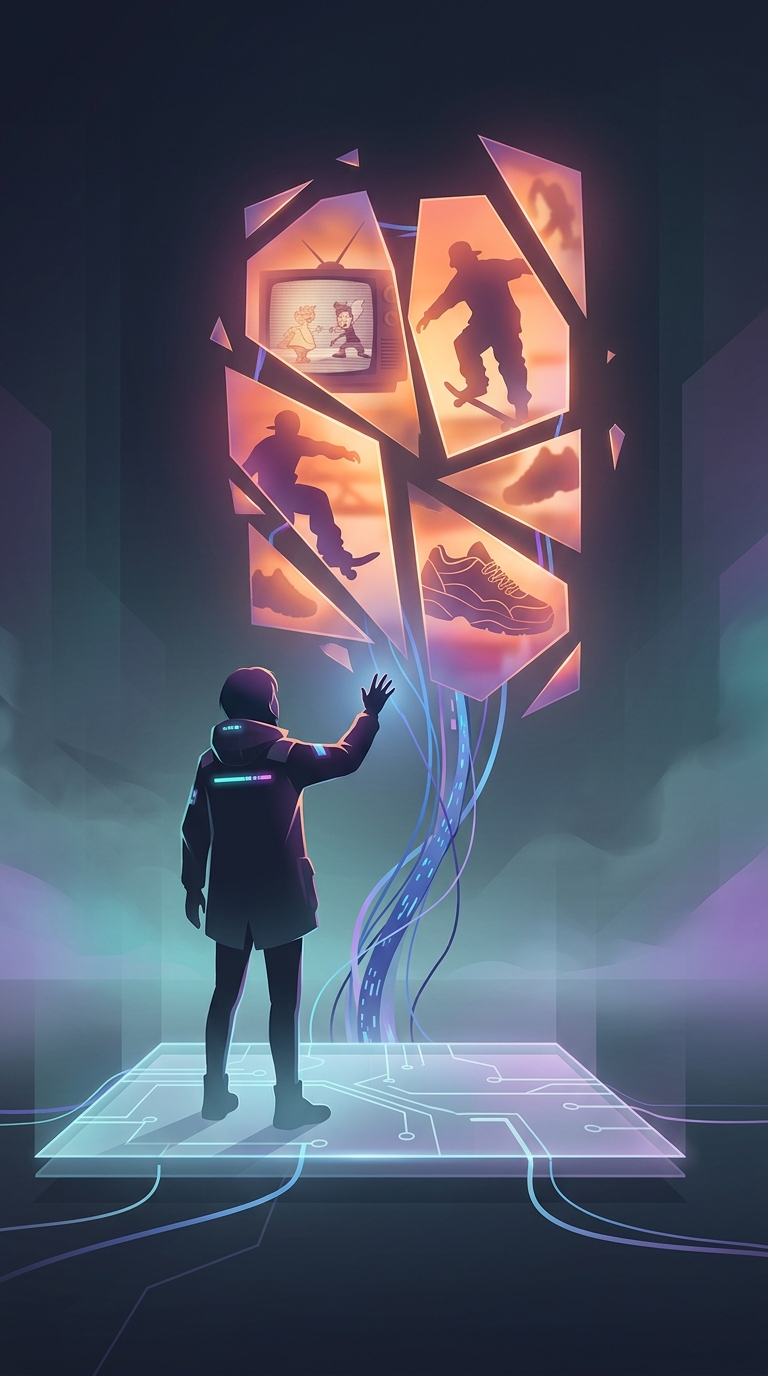
For a teenager drawn to the 1990s, the past may arrive through a parent’s stories, old family photographs, reruns, music, clothes, and videos online. These fragments build a mental picture of the decade. A song or an image can then feel emotionally familiar even when it is not attached to a personal childhood memory.
How the decade gets its glow
Culture rarely presents an entire era at once. It brings back selected details: a familiar soundtrack, a particular look, or scenes of everyday life that seem less polished than the present. Repeated exposure makes those details easy to recognize, while stories from older relatives can give them a personal warmth. Together, recognition and imagination can produce longing for a past that feels close but remains partly invented.
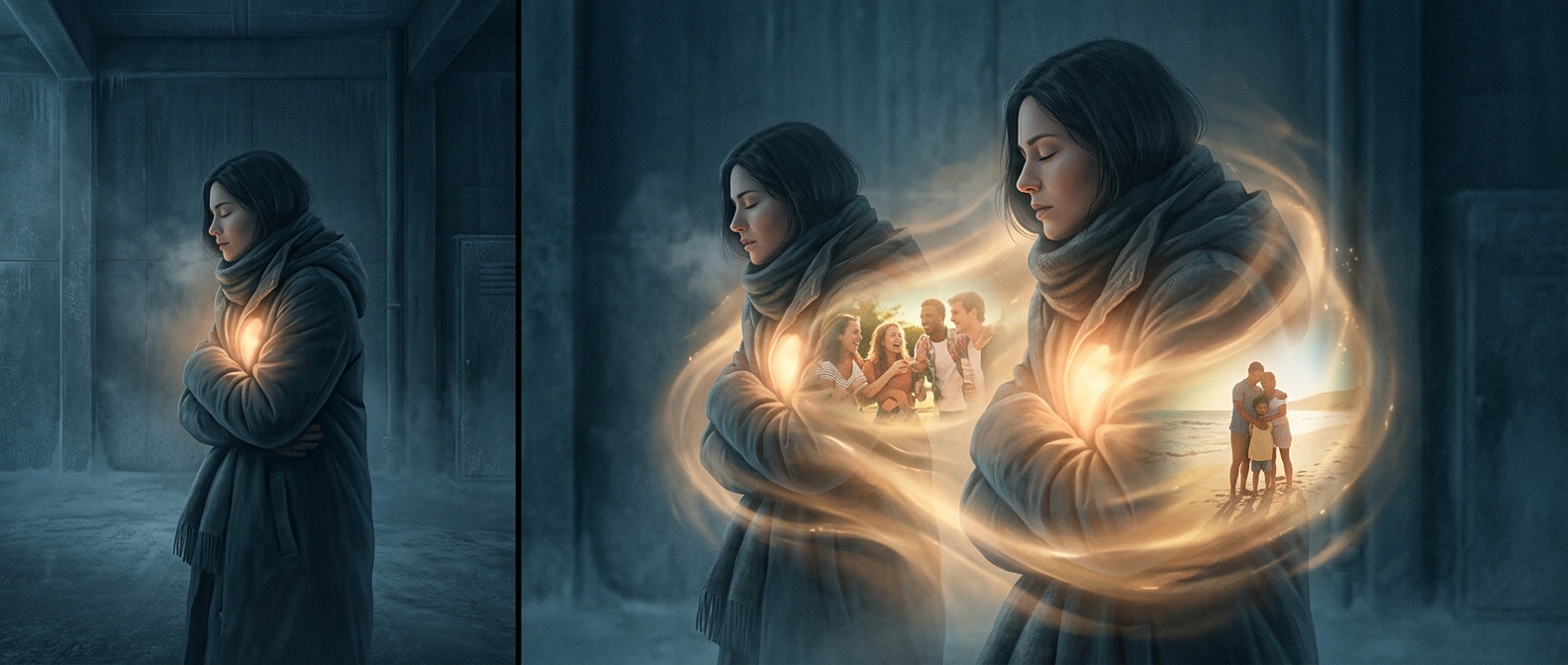
That picture is also shaped by contrast. When the present feels stressful or overexposed, an imagined past can seem simpler, more tangible, or more communal. This does not mean the 1990s were actually better for everyone; it means the version a person encounters may offer something they feel is missing now.
A feeling that helps build identity
Adolescence is a time of trying out tastes and deciding what feels like “me.” An older era offers a ready-made set of sounds, styles, and stories to explore. Choosing them can create a sense of belonging—to a family history, a fan community, or an aesthetic—without requiring the person to have lived through the decade.
So the ache is not evidence of a recovered memory. It is a present-day emotion built from cultural clues and personal meaning. The surprising part is that a past can feel emotionally familiar before it has ever been personally remembered.