Psychology
Discover facts about psychology. Small discoveries that change the way you see familiar things.
Psychology

Jealousy is far worse when romantic rivals are attractive
An attractive rival can make jealousy sting because your mind treats appearance as evidence of a real threat. Attention shifts from what your partner has…
Discover more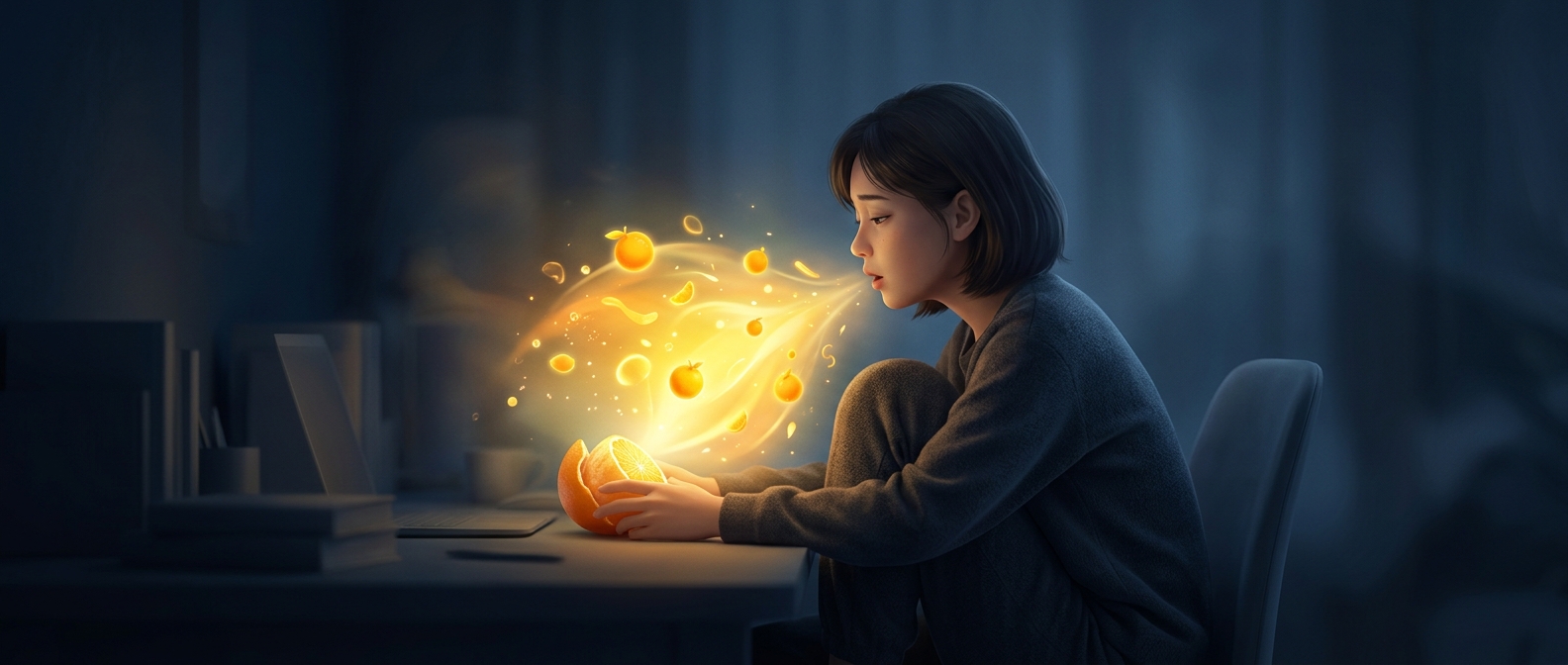
Why the smell of citrus can perk you up
A citrus scent can perk up a room because smell is closely tied to emotion and memory. A bright, familiar smell may bring a pleasant association or shift how…
Discover more
Why high-pitched sounds can trigger instant panic
High-pitched sounds are difficult to ignore: they cut through other noise and can resemble a cry for help. That combination makes them feel urgent, even when…
Discover more
Why routine makes entire years blur together
Routine saves effort by making familiar days run on autopilot. But familiar scenes give memory fewer details to hold onto, so when you look back, whole…
Discover more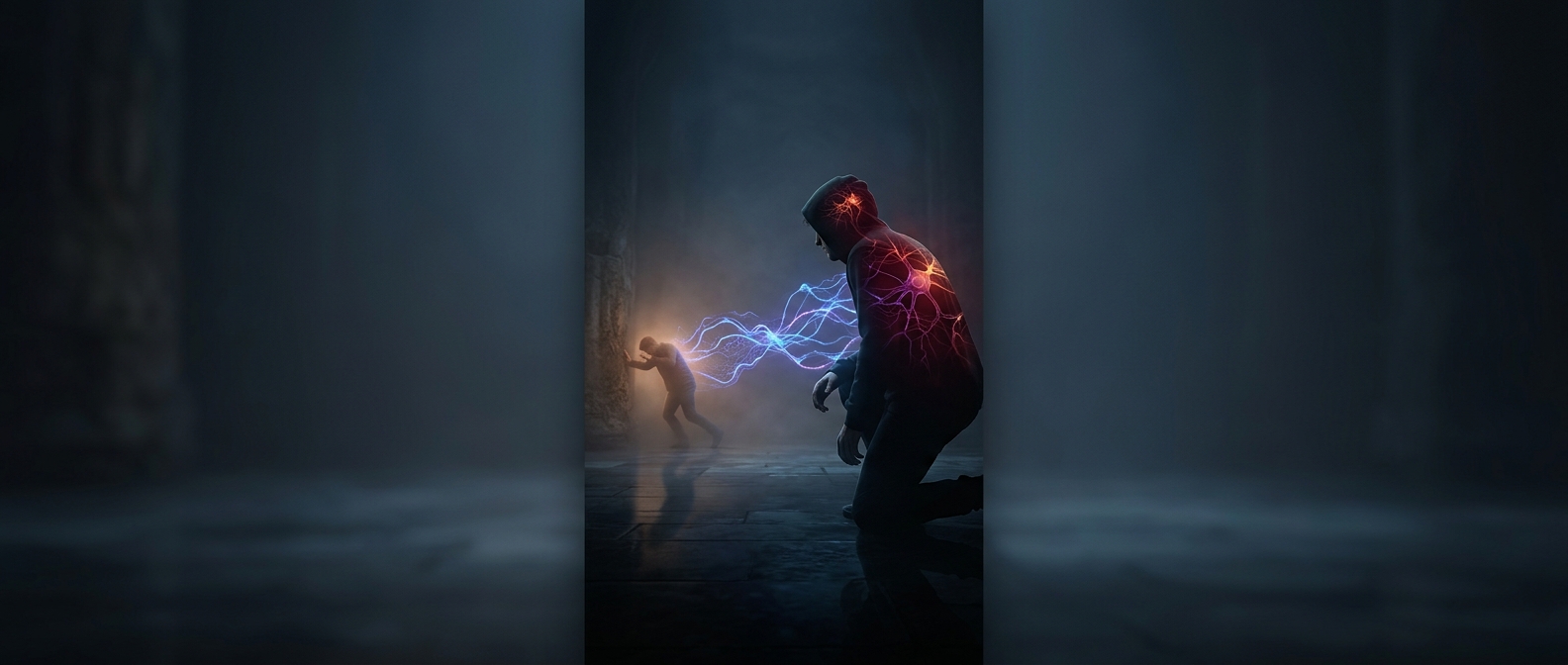
Why watching someone get hurt makes you wince
Your brain uses what you see in another person’s body to imagine the sensation in your own. So when someone slams a finger in a door, you may flinch before…
Discover more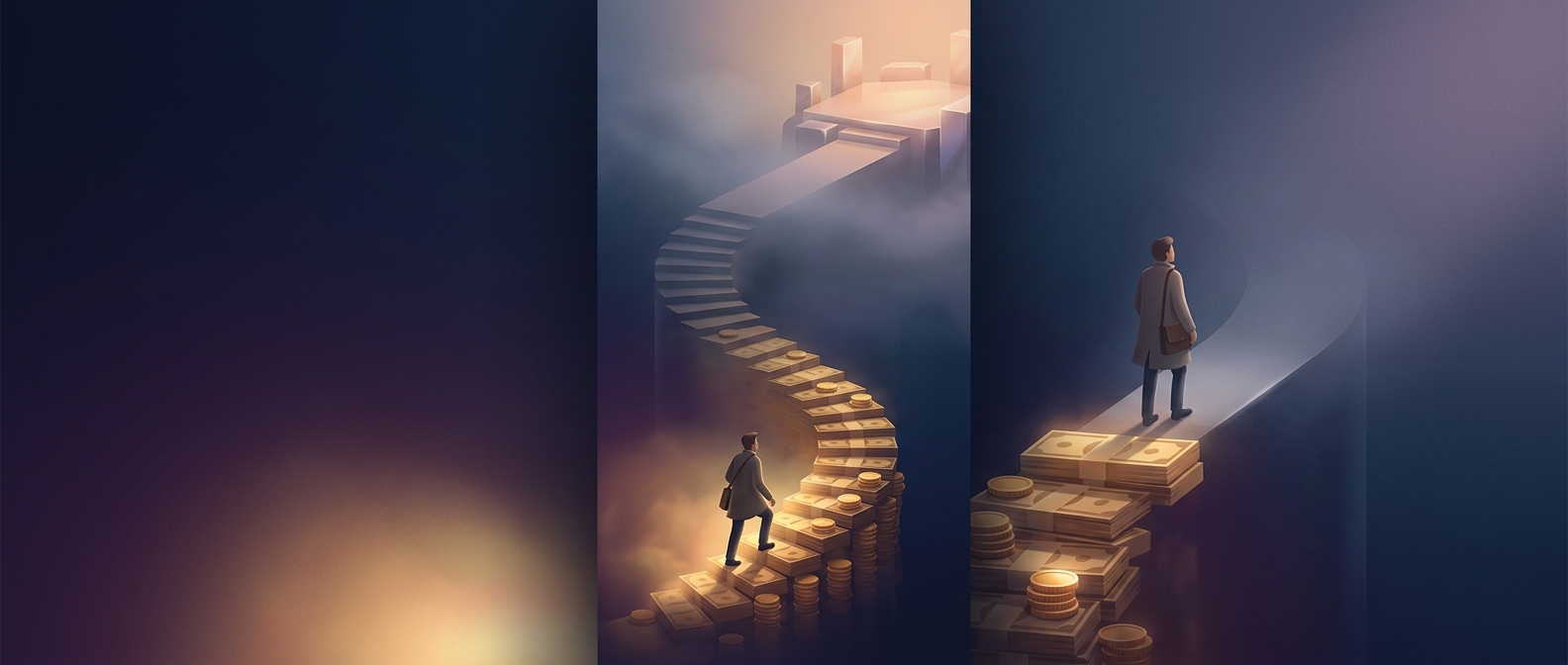
The 'money stops buying happiness' story got a major rewrite
Researchers who had reached conflicting conclusions worked together to reanalyze the evidence. Their 2023 study found that emotional well-being kept rising…
Discover more STACKY FOR IPHONE
A bigger world.
One discovery
at a time.
Keep discovering with Stacky. Interesting facts in an app that is always within reach.

Last items seen get effortlessly recalled
The last thing you hear is still active in working memory, so you can often repeat it right away without much effort. Let a new task or conversation…
Discover more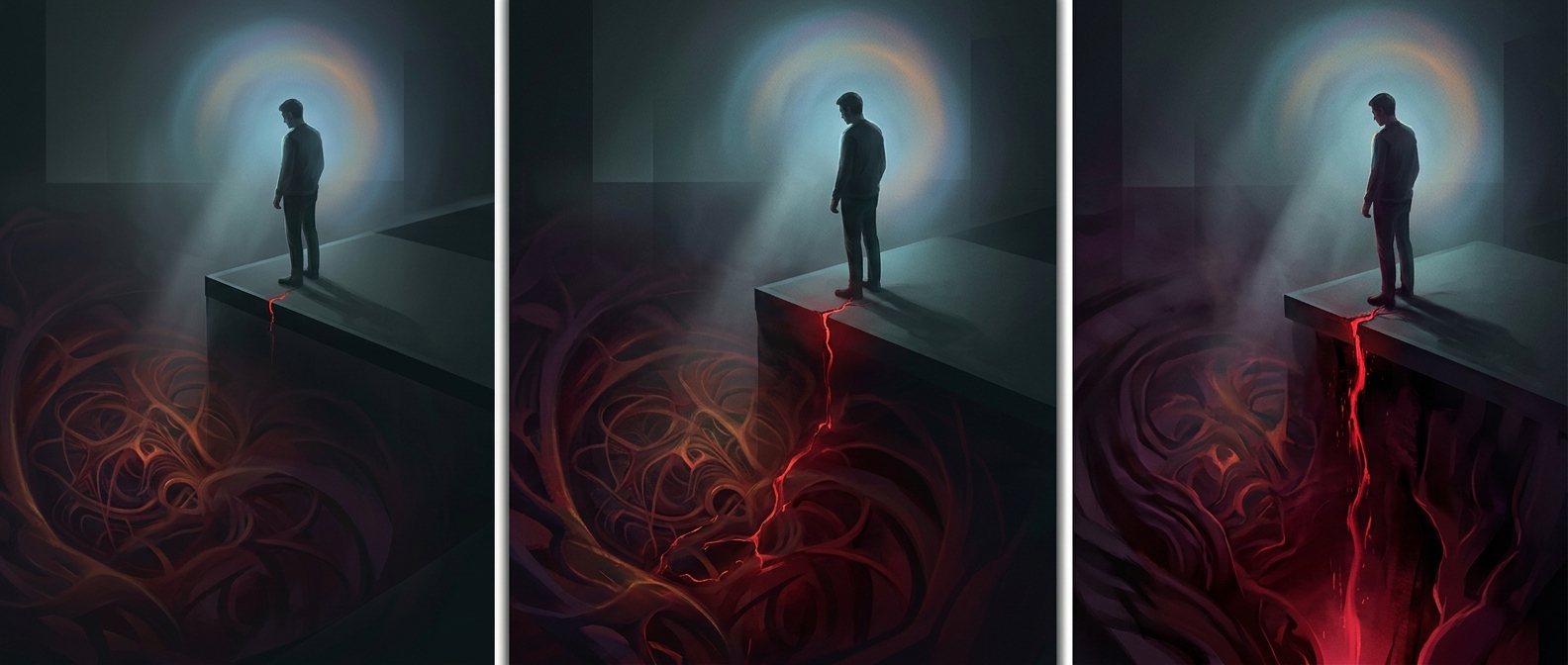
Why pain is harder to understand when you're comfortable
When you’re comfortable, your body isn’t supplying the signals that make pain feel real. To imagine someone else’s pain, your mind has to build the sensation…
Discover more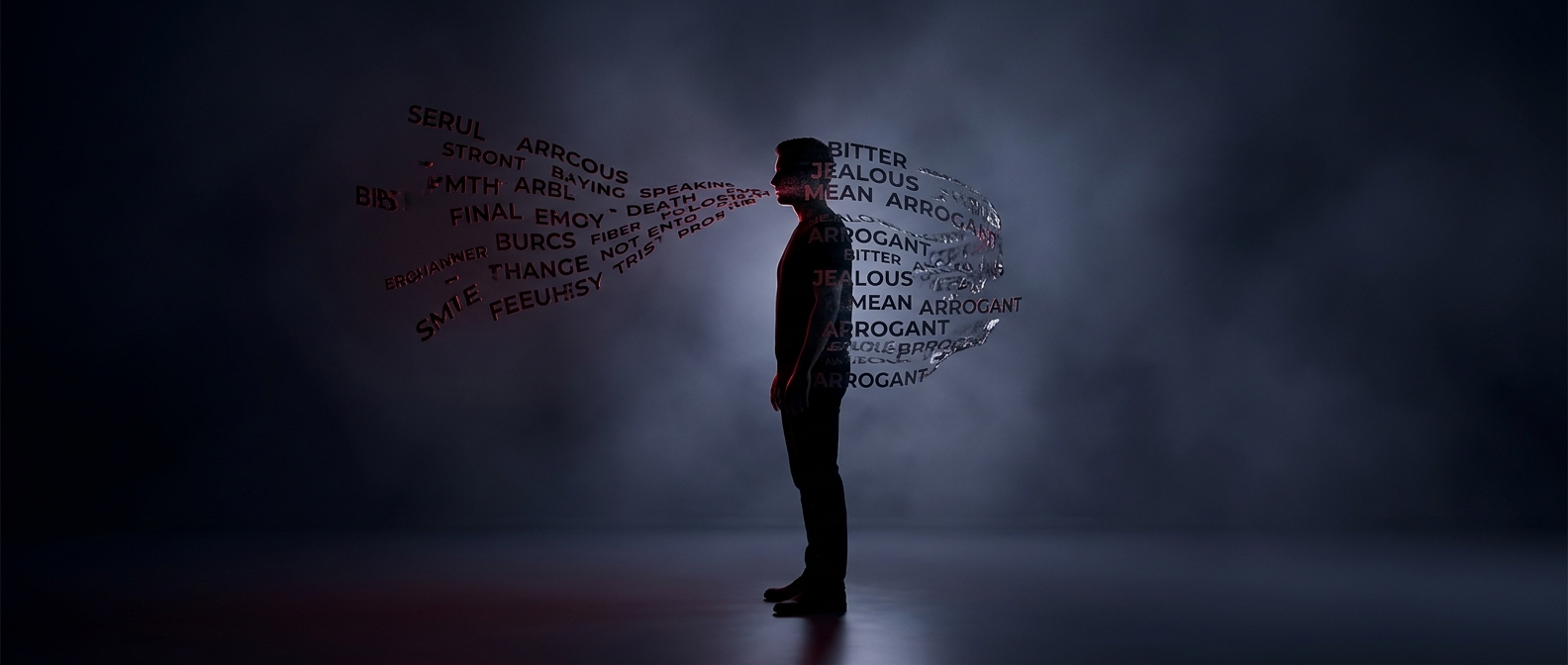
Insult someone, and listeners may see those traits in you
An insult tells listeners about its target, but it also gives them a trait to connect with the person saying it. If you keep calling someone cruel, that…
Discover more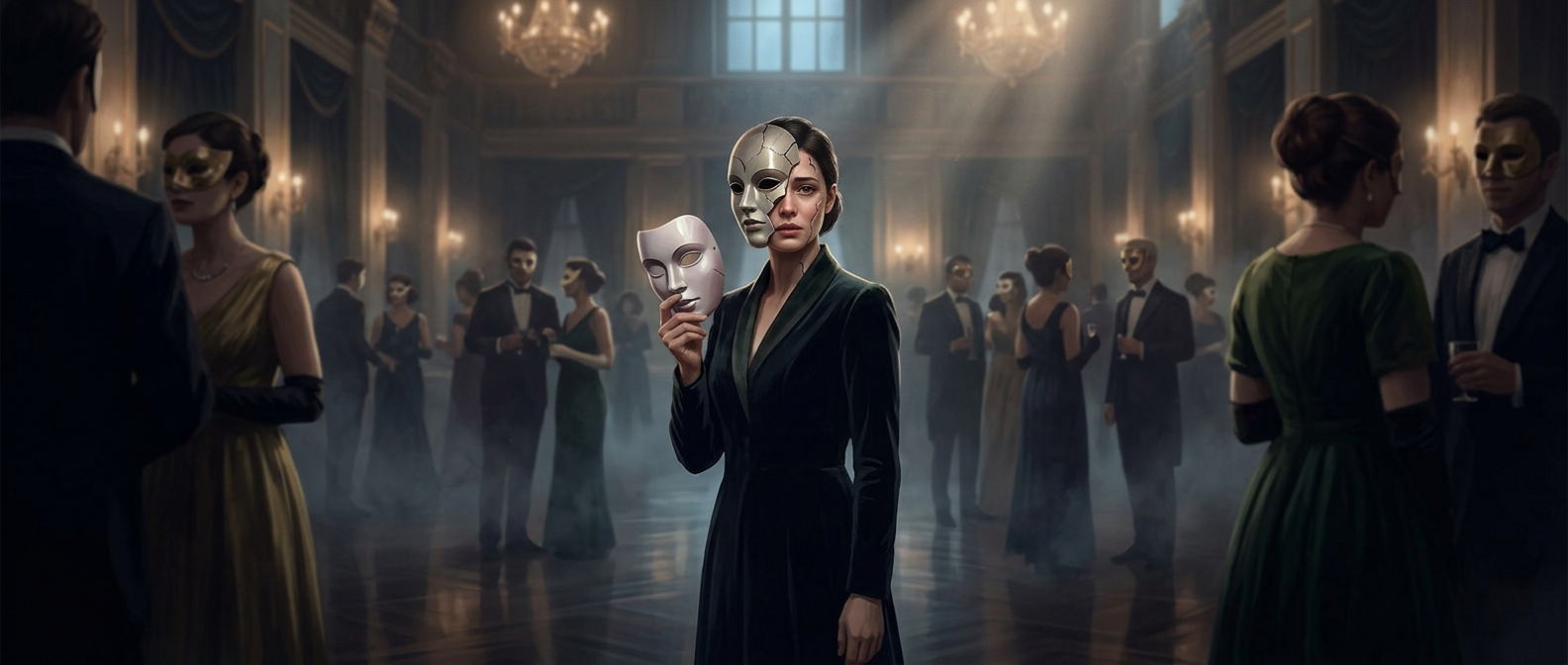
Outward personas are just masks for polite company
A polite work voice can feel like a costume, but it also helps you get through a meeting without saying every thought that crosses your mind. We all tune our…
Discover more
Why you remember a fact but not where it came from
A fact can survive after its origin story disappears. Memory holds onto the content of a sentence more easily than the details of when, where, or from whom…
Discover more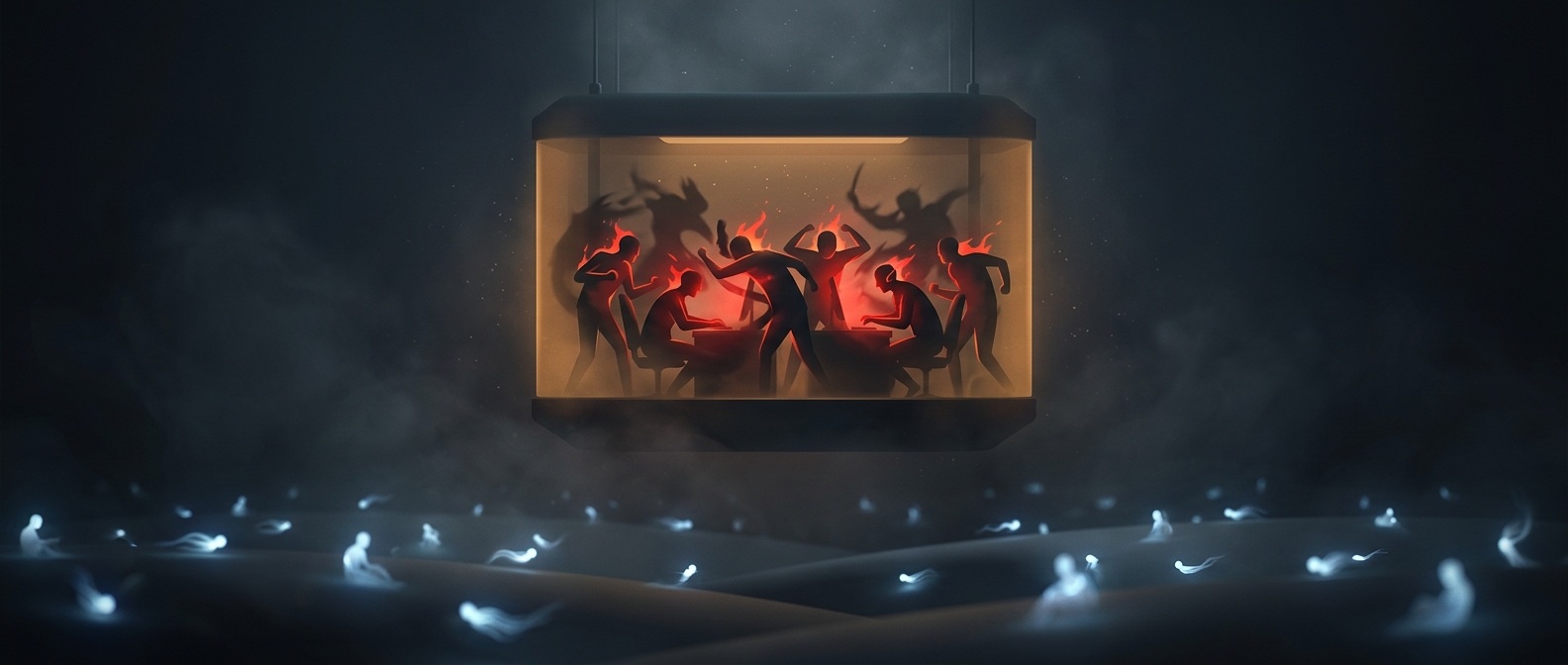
Some games make disruptive players queue with each other
Separate low-priority or behavior-based matchmaking can change who a penalized player meets, not just whether they can play. It tries to protect ordinary…
Discover more
Why an unwanted gift makes you want to give one back
You may not want the gift, but refusing to respond can feel like breaking a social rule. Giving something back restores a sense of balance: now neither person…
Discover more
Why a rustle can sound like a threat
Your ears catch a sound before they know what made it. When a rustle is hard to identify, the mind leans toward a possible threat because checking a harmless…
Discover more
Your inner voice helps keep a number from disappearing
Repeating a phone number silently refreshes a short-lived store of verbal information. This rehearsal system is often called the phonological loop. Stop…
Discover more
Most conversational laughter follows nothing funny
Most laughter in conversation isn’t a response to a punchline. People laugh after ordinary remarks to signal friendliness, smooth the handoff between…
Discover more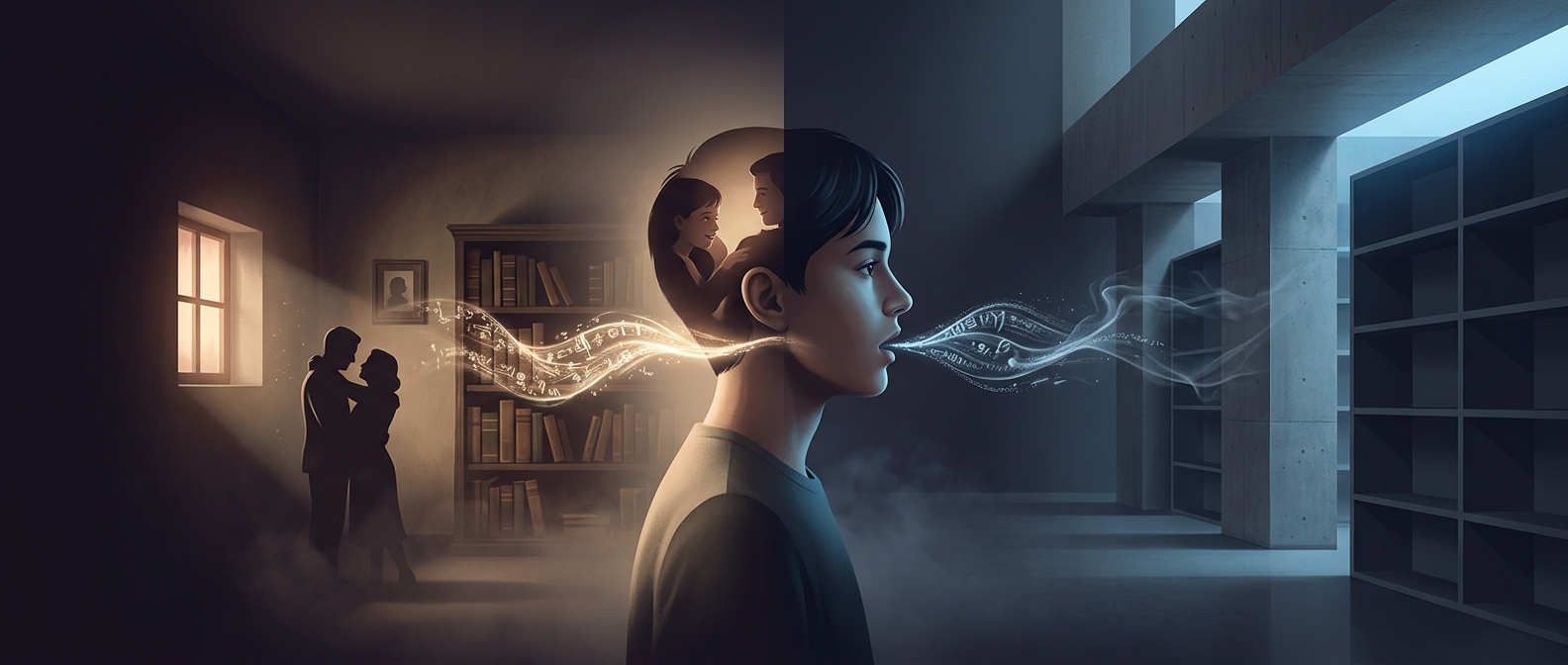
Why swearing feels safer in another language
Swear words learned early are tied to strong emotional reactions and social rules. In another language, the same kind of word may have less history in your…
Discover more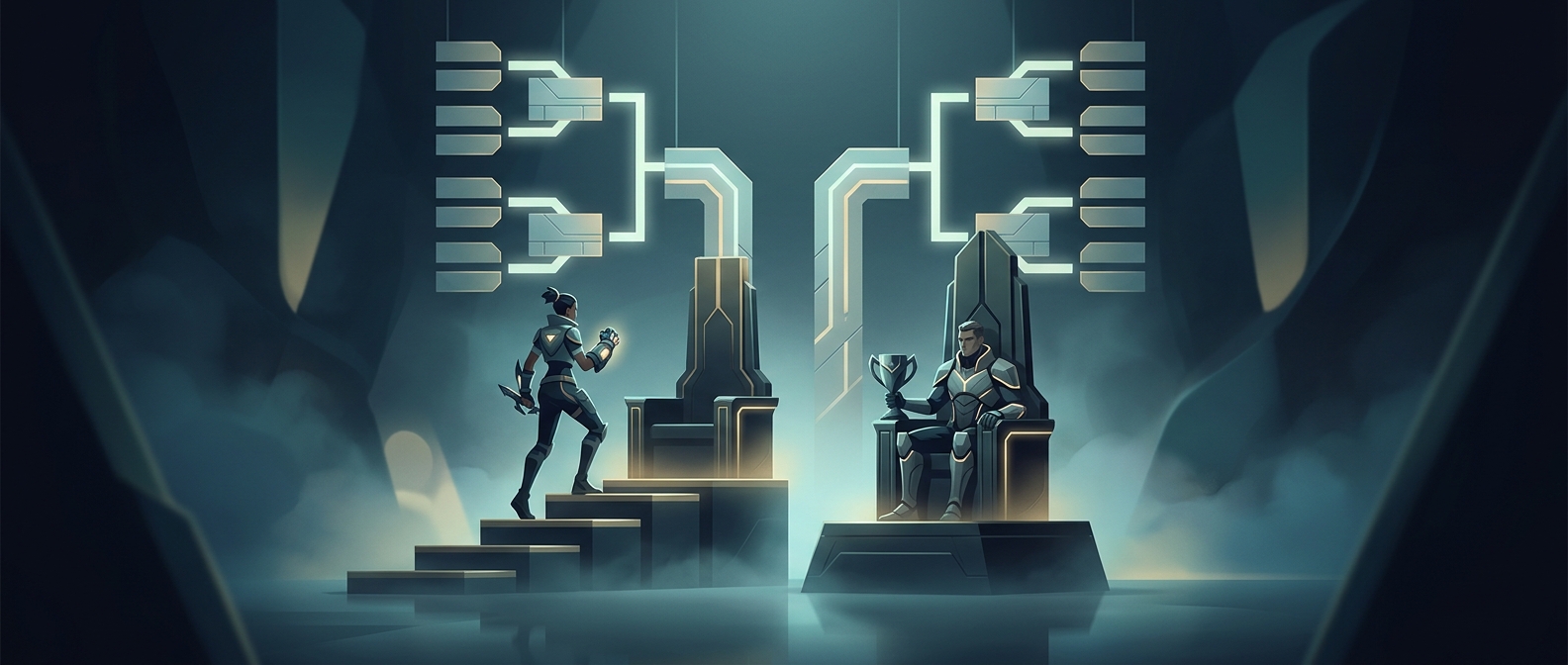
Bracket resets in tournaments force winners to win twice
In a double-elimination format, the player from the losers' bracket must beat the undefeated finalist twice: first to hand them a loss, then again to win the…
Discover more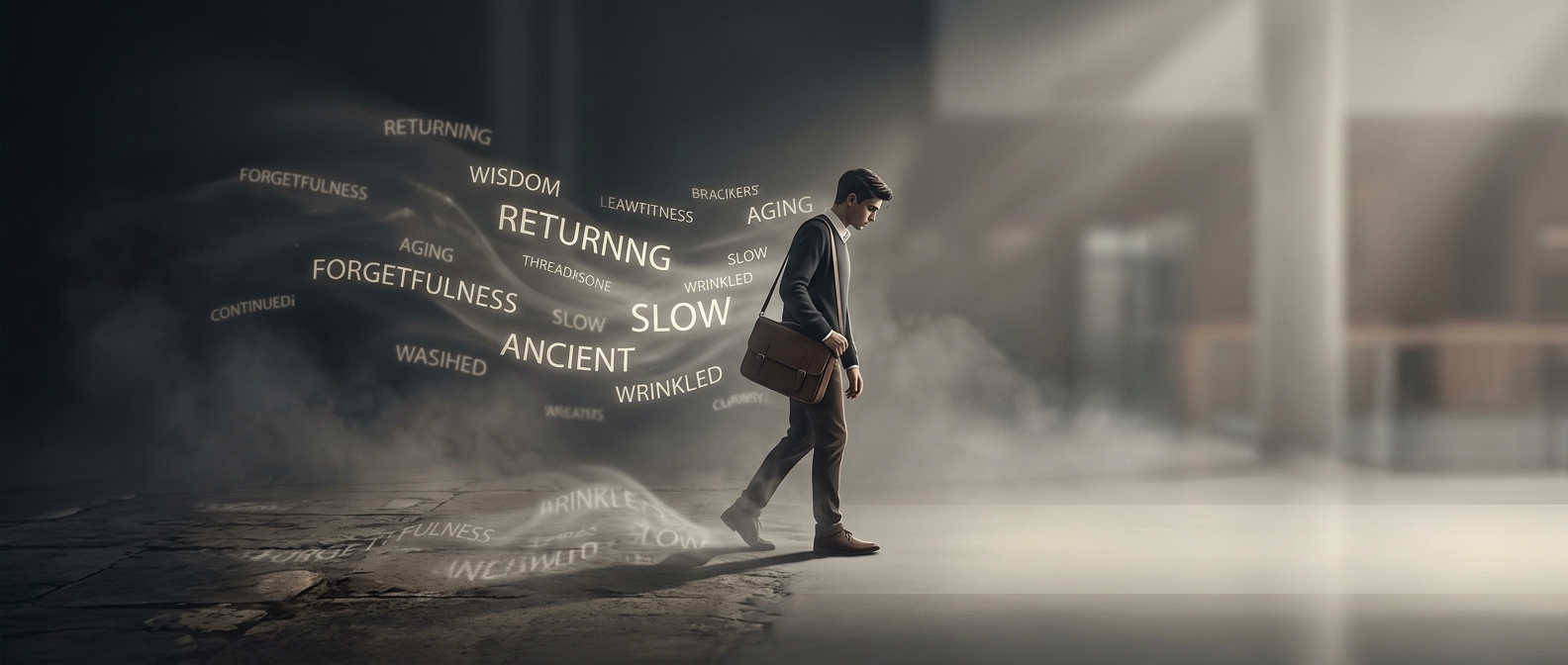
Walking and talking can compete for the same attention
Walking is well practiced, but keeping balance and choosing steps still involve the brain. Add a demanding verbal task and people can slow down or change…
Discover more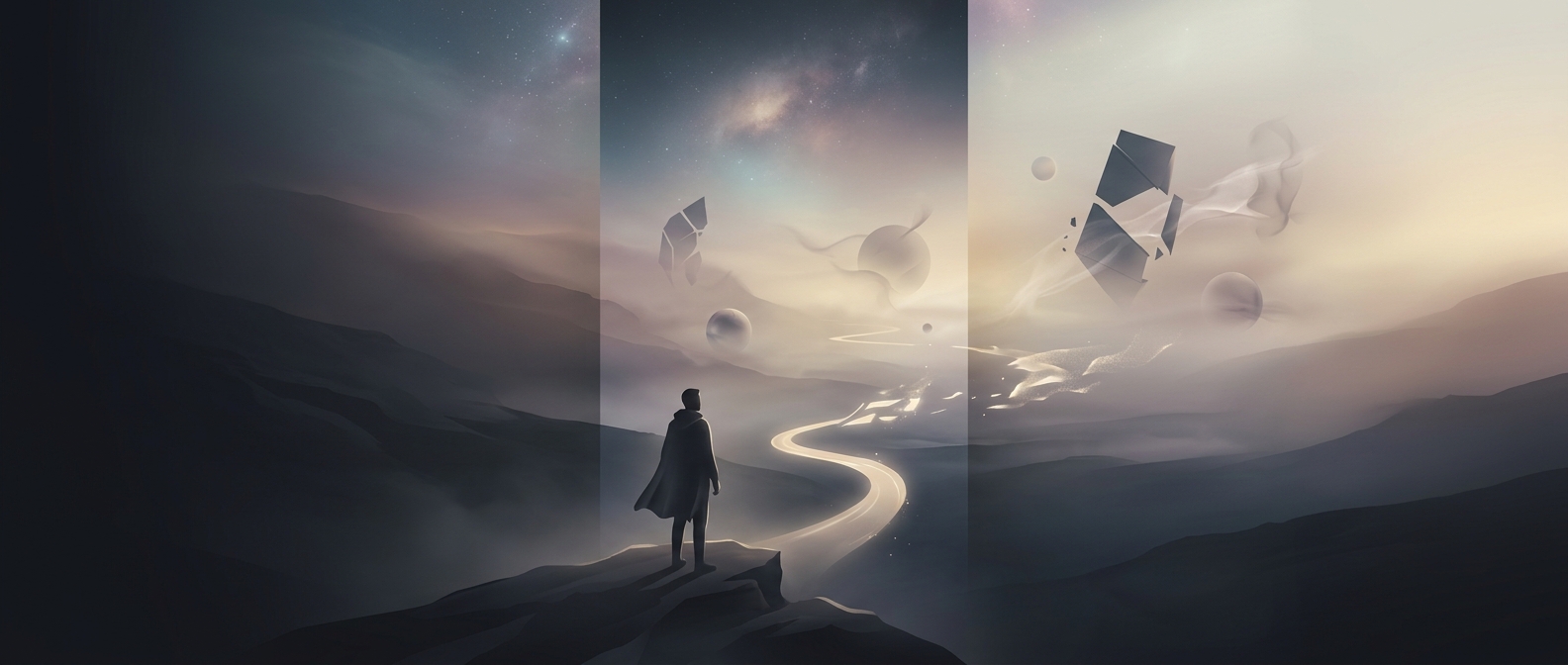
Distant events feel incredibly abstract
Picture a vacation tomorrow and you may see the packed bag, the airport, the hotel. Picture it years from now and you may see only “a great trip.”…
Discover more
Unrequited love causes severe and lasting emotional damage
An unanswered feeling leaves no clean ending to remember. A person can keep imagining what might have happened, then treat each small sign as evidence for or…
Discover more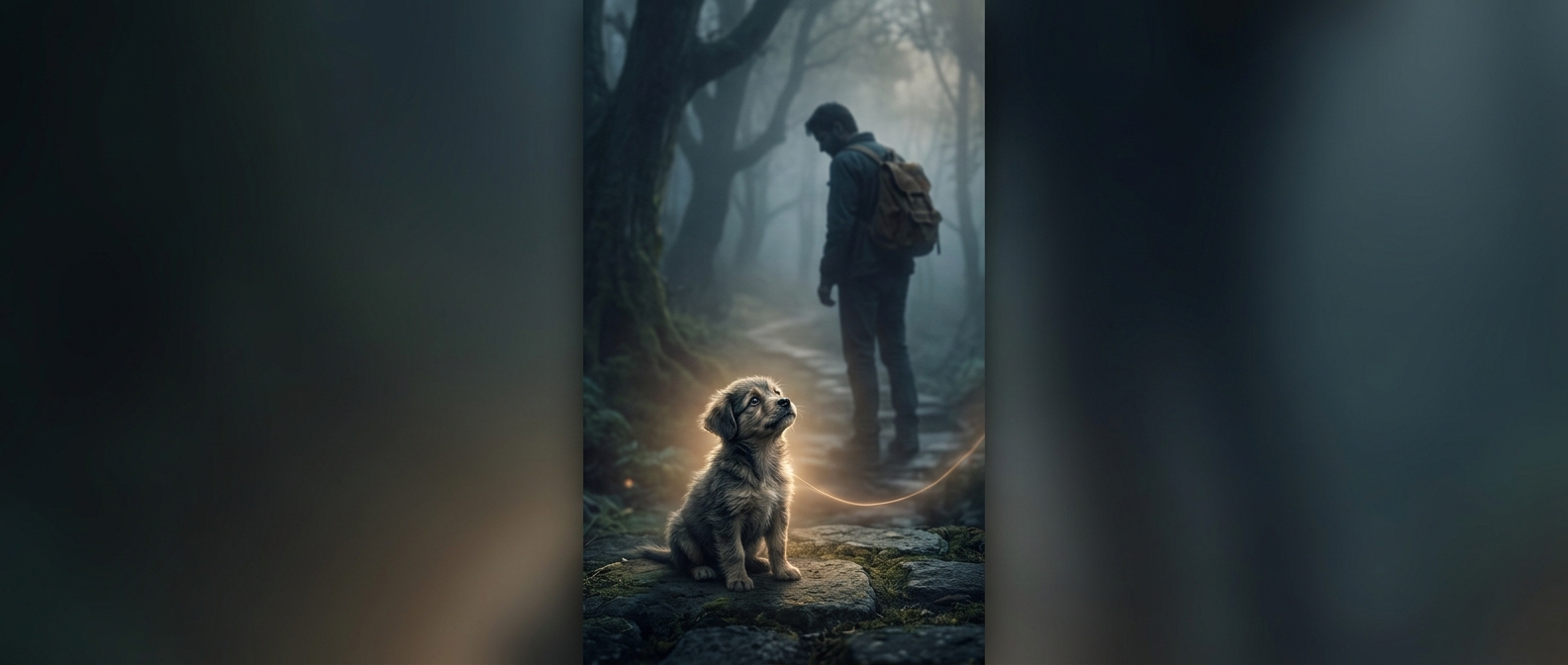
Why a puppy can move us more than a grown man
A puppy's large eyes and rounded face resemble features associated with human babies. Those cues can pull attention toward vulnerability and trigger a…
Discover more
Burnout can make an ordinary task feel enormous
Exhaustion changes the starting point. Answering one email or making one decision can feel like another demand on reserves that are already depleted. The size…
Discover more
Awe has turned up in research on inflammation
In two studies, people who reported more awe tended to have lower levels of an inflammatory marker called IL-6. The finding connects an expansive emotional…
Discover more