Psychology
Discover facts about psychology. Small discoveries that change the way you see familiar things.
Psychology

Why paper books may stick with you better than screens
When you read on paper, the book’s weight and page layout give you more than words: they provide landmarks. You can remember a passage as being near the end…
Discover more
Introjection adopts external rules as your own entirely
A parent’s rule can outlive the parent and show up as your private standard. Once you’ve taken it in, you may follow it automatically, as though it came from…
Discover more
Why a ridiculous nickname can bring people closer
A ridiculous nickname works like a tiny membership badge. If both people accept it, the joke says: we share a history, and we know how to tease each other…
Discover more
Internal locus of control blames you for everything
Believing you can influence events can help you take responsibility—but it can also make every bad outcome feel like your fault. If you assume you should have…
Discover more
Atomic tourism involves visiting nuclear wastelands
A nuclear wasteland puts catastrophe in a place you can visit with a guide and a return ticket. Atomic tourism lets people approach a danger-laden past while…
Discover more
Why one scary story outweighs a thousand safe flights
A crash is emotionally loud; a safe landing is usually just the end of a trip. Because vivid threats stick in memory, one scary story can dominate your gut…
Discover more STACKY FOR IPHONE
A bigger world.
One discovery
at a time.
Keep discovering with Stacky. Interesting facts in an app that is always within reach.

Envy comes in helpful and harmful forms
Envy can push you to improve—or make you want the other person to lose. If their success seems attainable, it can become a target: I want to do that too. If…
Discover more
Researchers found a choir rehearsal left traces in saliva
An amateur choir study compared singing with listening. After singing, participants showed improved mood and higher levels of salivary IgA, an antibody…
Discover more
Why meeting your rivals can reduce hostility
A rival is easy to hate as a category; it gets harder when you meet an actual person with a name, jokes, and worries. Direct contact gives your mind details…
Discover more
Swearing at your computer may calm you down
When a computer freezes, swearing gives frustration a quick, forceful exit. Profanity is emotionally charged language, so saying it can feel more like…
Discover more
Why soccer goalies dive even when staying put works better
Goalies often choose a direction before the ball is kicked because a dive looks like an attempt to save it. If they stay put and the shot scores, their…
Discover more
Why strangers' scandals can feel so satisfying
A stranger’s scandal can feel satisfying because it offers a quick downward comparison: their public mess makes your own life look more orderly for a moment.…
Discover more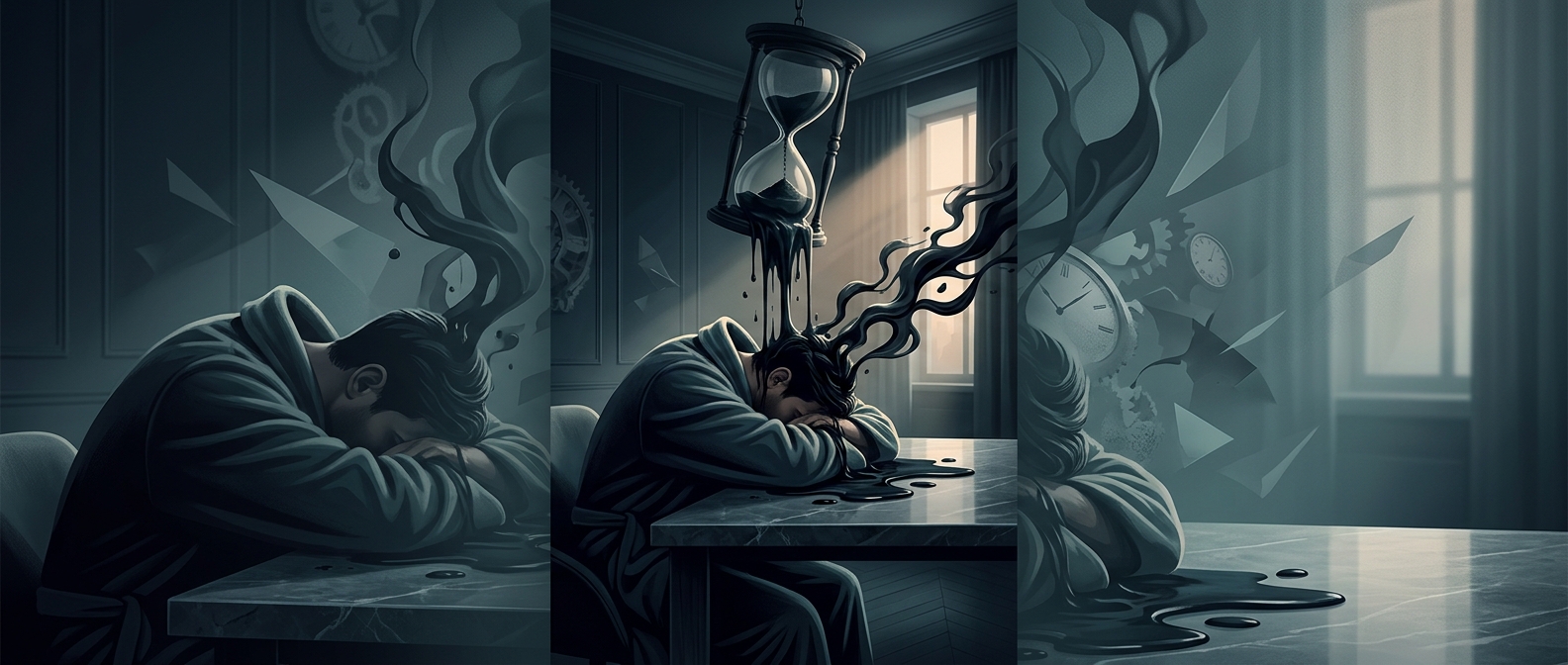
Why night owls may get worse hangovers
Late nights can stack the deck against recovery: a night owl may stay up later, drink later, and then lose sleep when alcohol disrupts rest. That combination…
Discover more
Why you knock on wood after a dark thought
A dark thought can make the future feel suddenly less safe, even though thinking something doesn’t make it happen. Knocking on wood gives your hands a small…
Discover more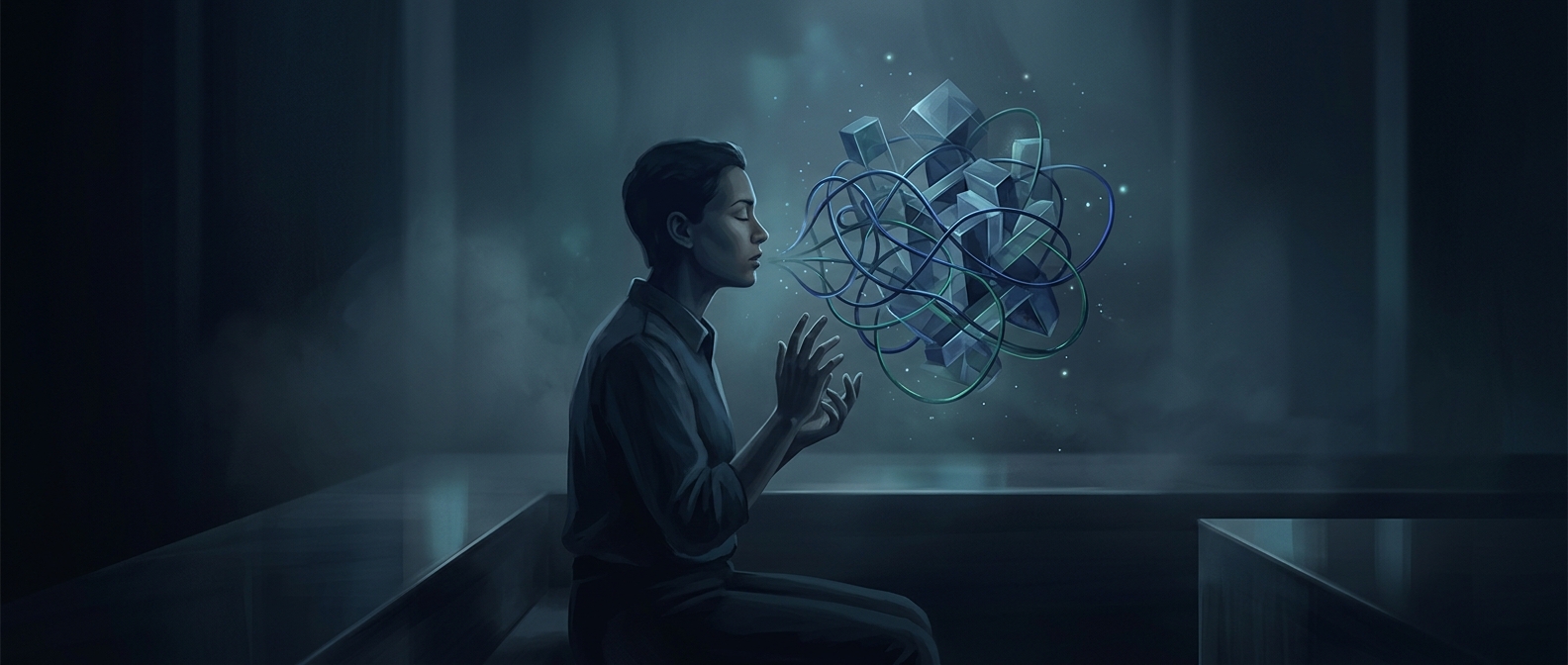
The sign-language version of tip-of-the-tongue
In a tip-of-the-tongue moment, the idea is ready but the word won’t arrive. Signers can hit the same wall: they know the concept, yet can’t summon the sign’s…
Discover more
Your brain hears a friend’s voice while reading their note
A familiar voice is a set of predictions your mind has learned: where the person pauses, which words they stress, how a joke lands. When you read their note,…
Discover more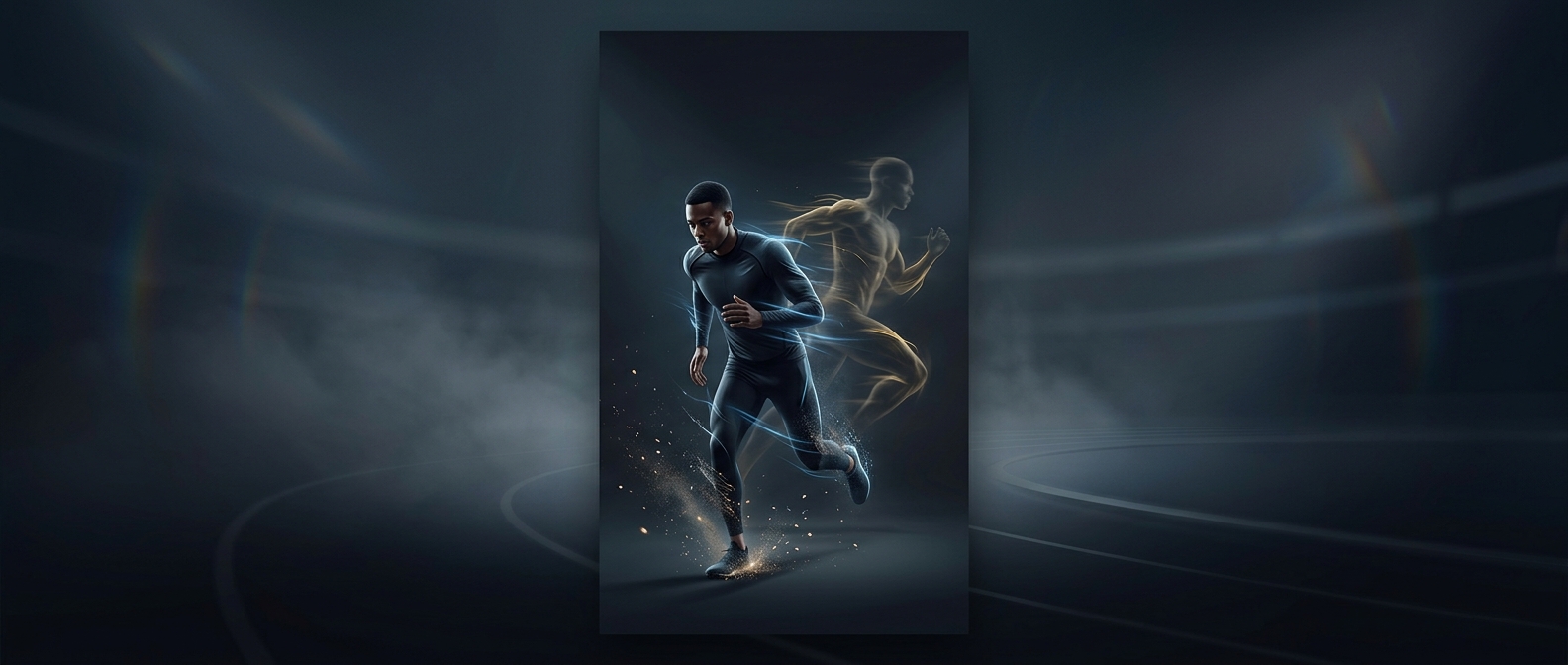
Overthinking a practiced movement can make it fall apart
A familiar skill runs largely without conscious instructions for every muscle. Pressure can draw attention back to those tiny steps, interrupting the fluent…
Discover more
How random teams can create instant tribalism
A coin toss can create a tiny in-group. The label gives people a category to sort by, and that alone can tilt whom they favor or reward. Suddenly, a random…
Discover more
Nostalgia has been linked to feeling physically warmer
Experiments found connections between nostalgic memories and warmth perception, including greater tolerance of cold water after recalling a nostalgic event.…
Discover more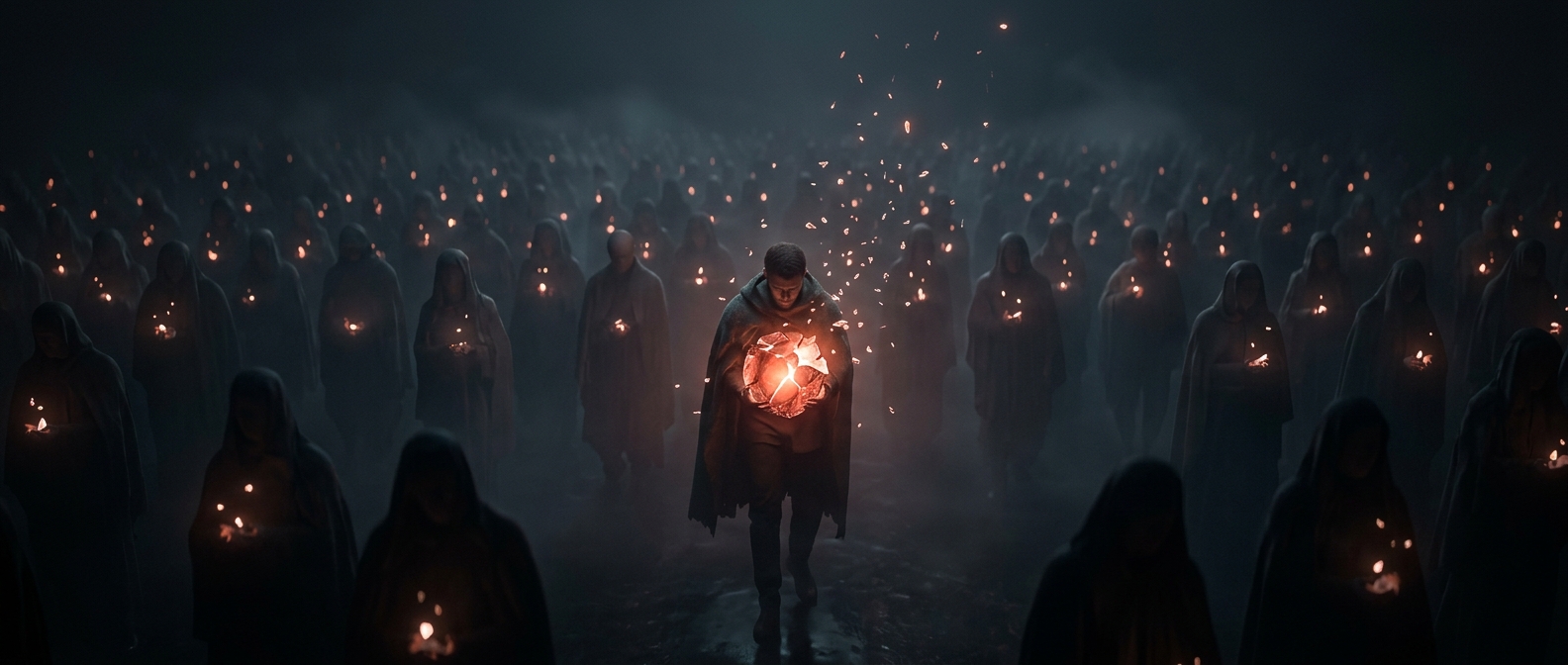
Why nobody feels responsible in a crowd
A person who sees an emergency alone knows the next move is theirs. In a crowd, everyone can look to everyone else for a cue that it is serious or that…
Discover more
Why hearing your own name feels so good
Your name is a tiny signal that the conversation has turned toward you. It cuts through other words because it is personally meaningful, so hearing it can…
Discover more
Can your face betray a lie
A face can leak the feeling someone is trying to hide: a flash of fear, a strained smile, or tension that doesn’t fit the words. Those cues reveal emotion,…
Discover more
A green leaf can make toxic products seem safe
People often use a product’s appearance as a shortcut when judging risk. A leaf signals plants, freshness, and gentleness, so the mind may carry those…
Discover more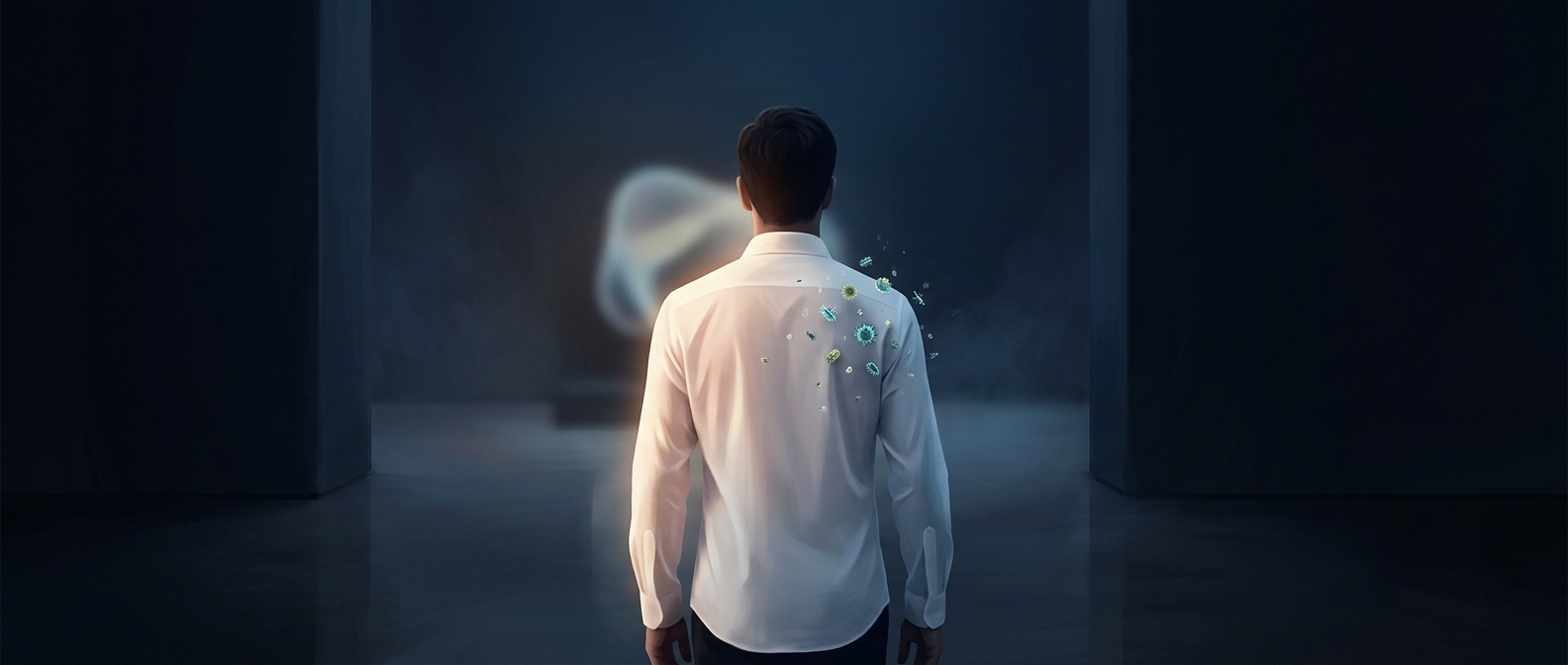
Clean white shirts highlight microscopic stains
White fabric gives a microscopic stain a clean, high-contrast background. Your eyes notice the difference before you judge its size—which is why one small…
Discover more