How a crowd turns uncertainty into inaction
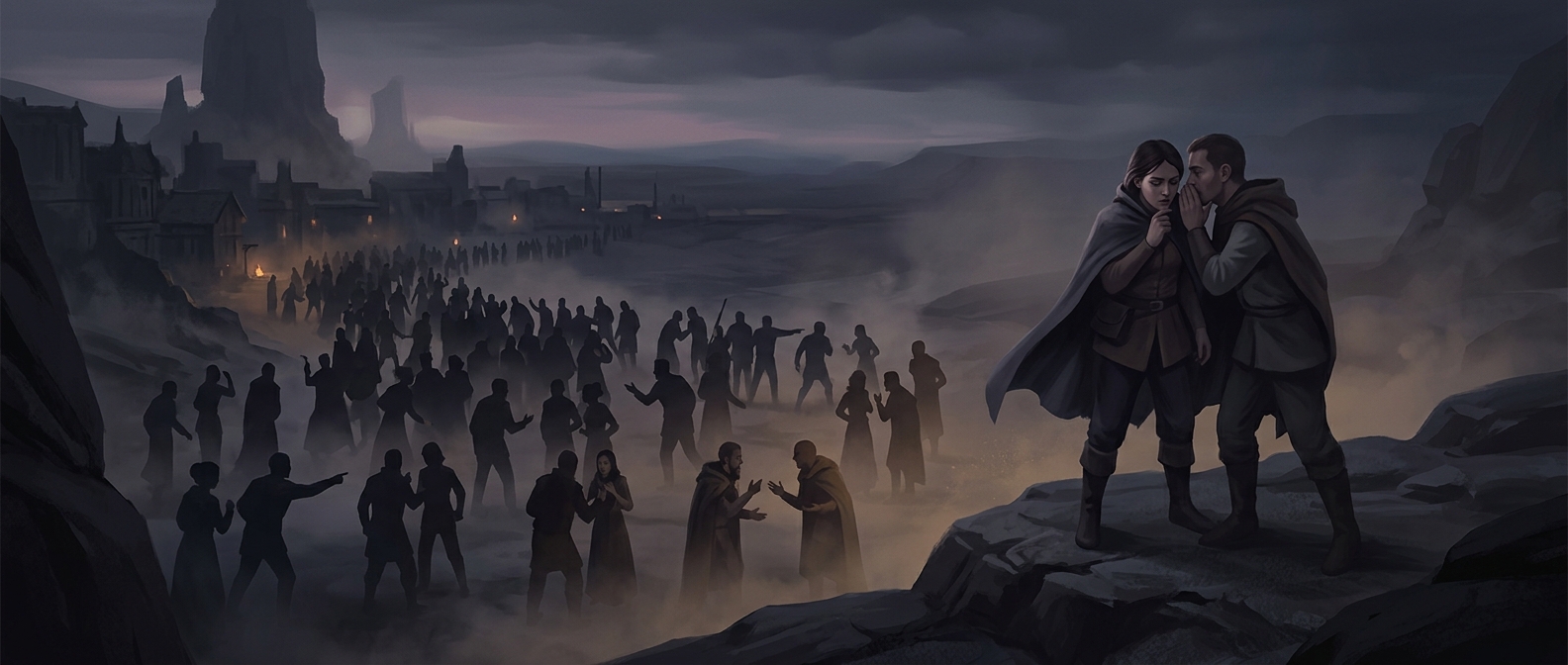
In an emergency, people often have to decide two things before they act: Is this really an emergency, and should I be the one to respond? A crowd can make both questions harder. If everyone else looks calm or simply watches, each person may interpret that behavior as evidence that the situation is less serious than it seems.
This is called pluralistic ignorance: people privately feel uncertain or concerned but mistake other people’s outward stillness for confidence. Because everyone is reading the same quiet room, no one’s uncertainty becomes visible enough to prompt action.
Responsibility becomes harder to claim
Even after recognizing that something is wrong, a witness may assume another person is better placed to help, or that someone else has already called for assistance. With several possible responders, no one is singled out as the person who must act. Each individual’s sense of obligation can shrink, even though the emergency still needs a response.
These processes are related but distinct: one makes the situation seem less urgent; the other makes it feel less like any one person’s job. Together, they can produce a crowd in which many people notice a problem but nobody moves quickly.
A clear request can break the stalemate
The useful lesson is not that crowds are indifferent. It is that vague responsibility and ambiguous signals can delay action. A witness can make the next step easier by naming the problem and assigning a specific task: point to one person and ask them to call emergency services, while another person gets help nearby.
That direct request replaces a silent guessing game with a visible role. Instead of waiting for the crowd to decide who is responsible, someone makes responsibility concrete.