How public rituals turn loss into a common reference point
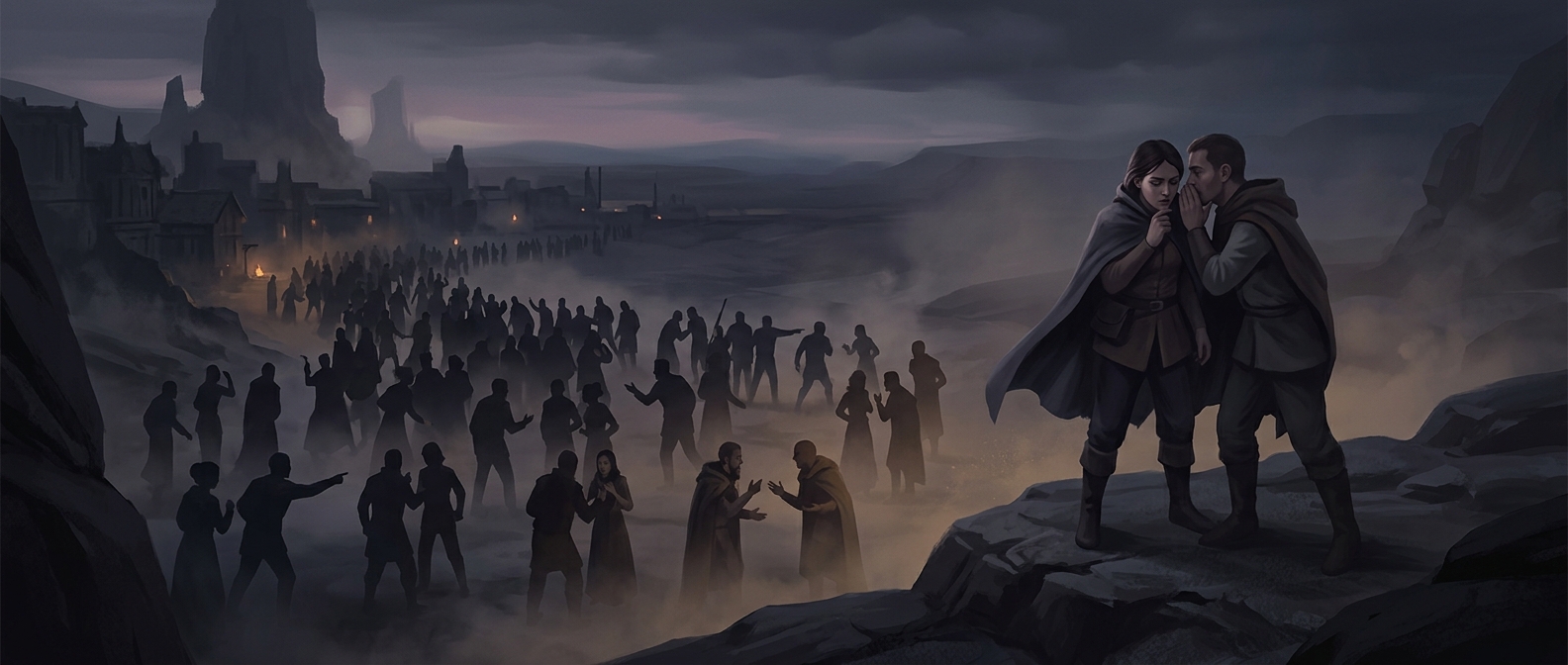
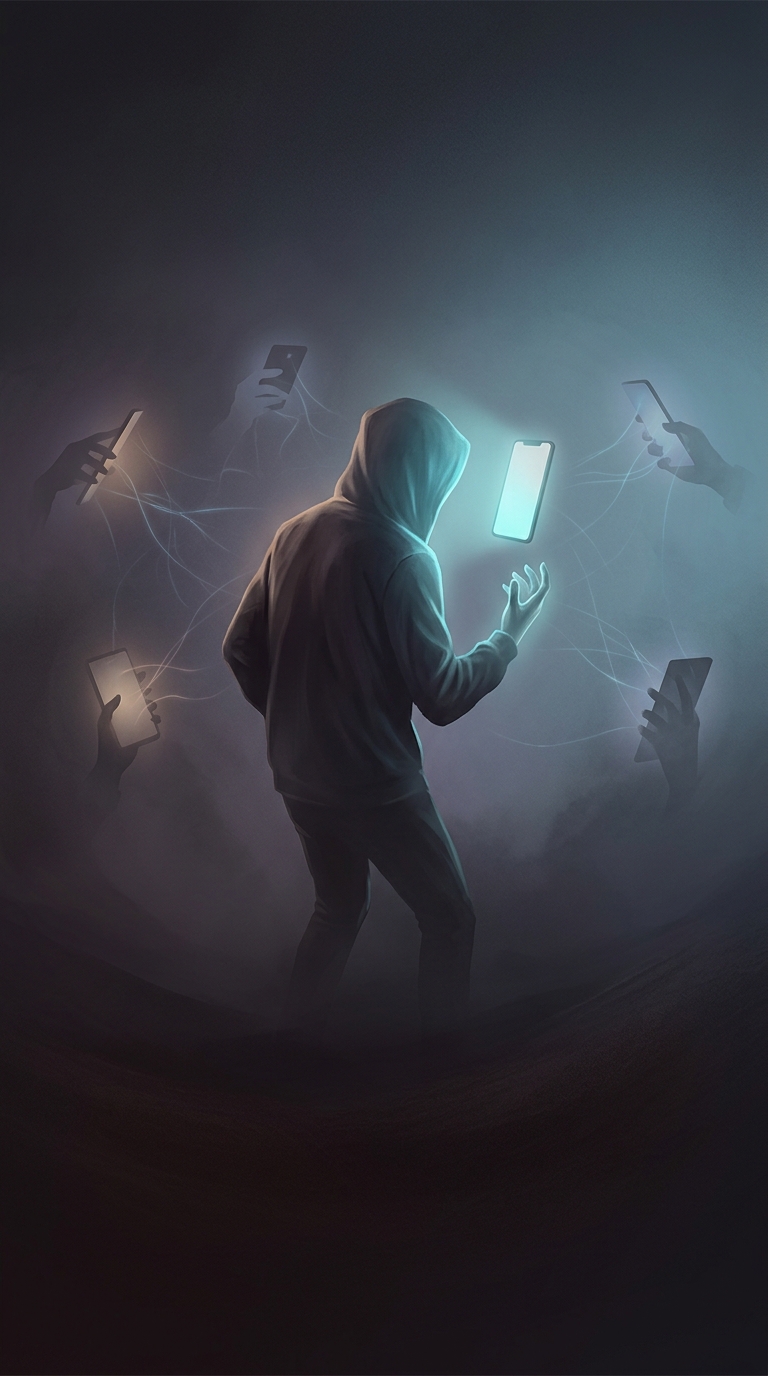
A tragedy is first experienced unevenly. Some people witness it directly; others learn about it later, through news, conversations, or images. Repeated public reminders—an anniversary, a moment of silence, a familiar photograph—give people who were not present a way to connect their separate experiences to the same event.
That repetition does more than keep a date in mind. It makes the event easier to recognize and recall, while rituals give people a shared action: they can pause, gather, grieve, or commemorate at the same time. The common story is built through repeated acts of attention, not simply by everyone remembering the event in the same way.
Why a story can feel shared without being identical
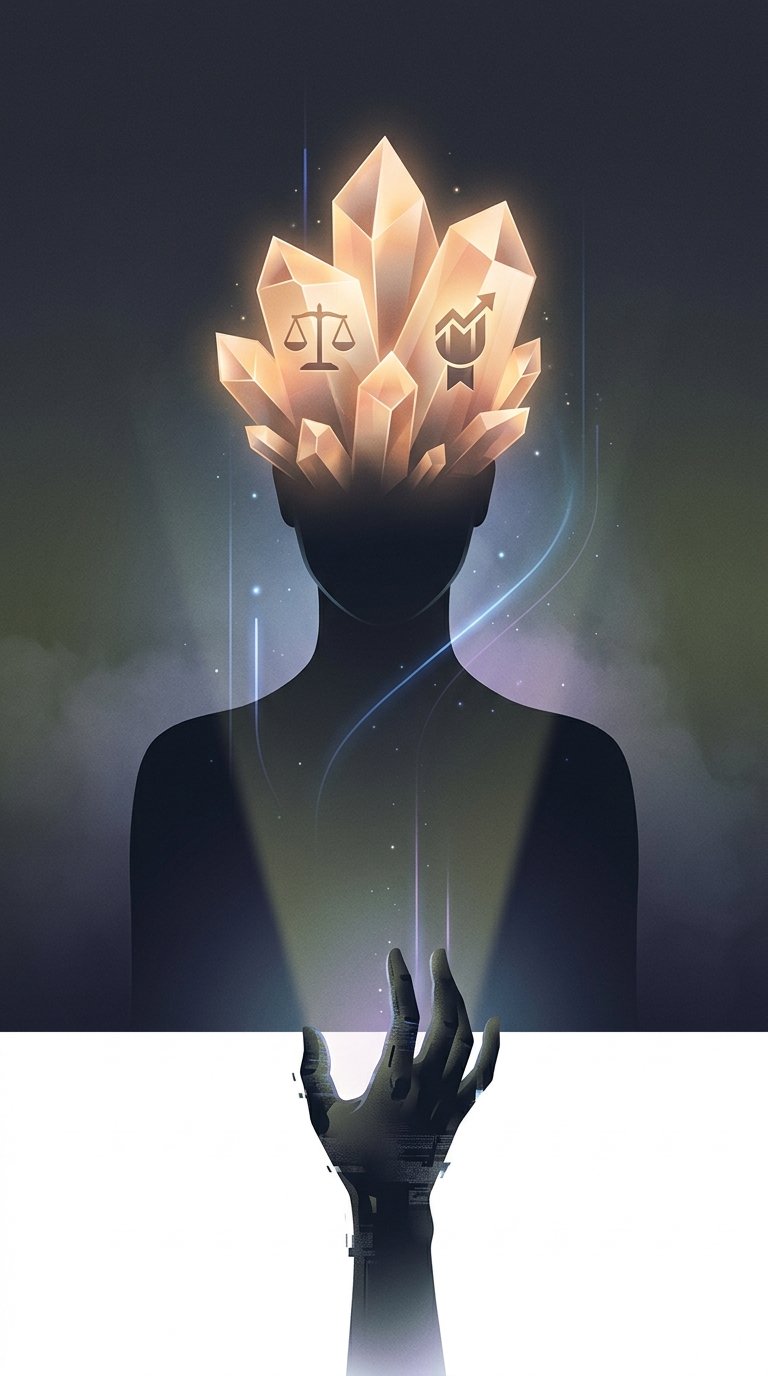
A public narrative compresses a complicated event into a set of recognizable details: what was lost, who was affected, and what the event came to mean. Those details become reference points people can use in conversation, much as a family might return to a story that helps explain who they are.
But shared reference is not the same as unanimous interpretation. People may disagree about causes, responsibility, or what should happen next. The commemorated version can also foreground some experiences while leaving others less visible. Over time, new generations may know the event mainly through its images and ceremonies rather than personal memory.
The consequence of remembering together
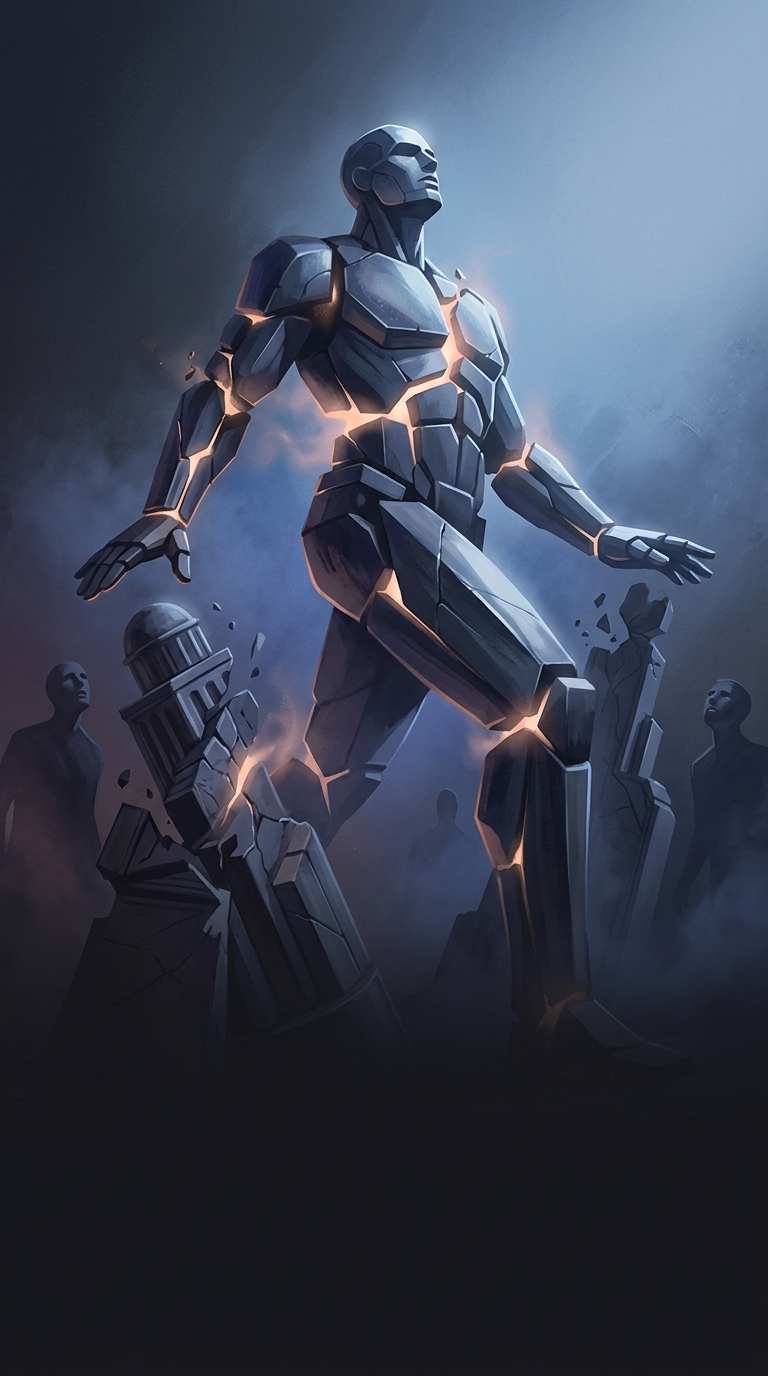
When people mark a tragedy publicly, they are not only recalling the past; they are signaling who belongs to the community of remembrance. A familiar anniversary can therefore make a national “we” feel tangible—while also raising the question of whose loss, and whose account of it, the shared story includes.