Why a hidden plot can feel easier to face
When an unsettling event has no clear explanation, people may be left with several uncomfortable possibilities: it could be random, the result of many interacting causes, or something no one can predict. A conspiracy theory replaces that uncertainty with a more legible story. It assigns the event to deliberate actors with goals, making the outcome seem caused rather than merely bewildering.
That shift can create a sense of understanding without restoring real control. If a person believes someone is making decisions behind the scenes, the event has a structure: there are supposed motives to infer, clues to interpret, and perhaps a culprit to blame. Even a threatening explanation can feel more manageable than the idea that events are arbitrary or beyond anyone’s grasp.
A story that offers a map—and narrows it
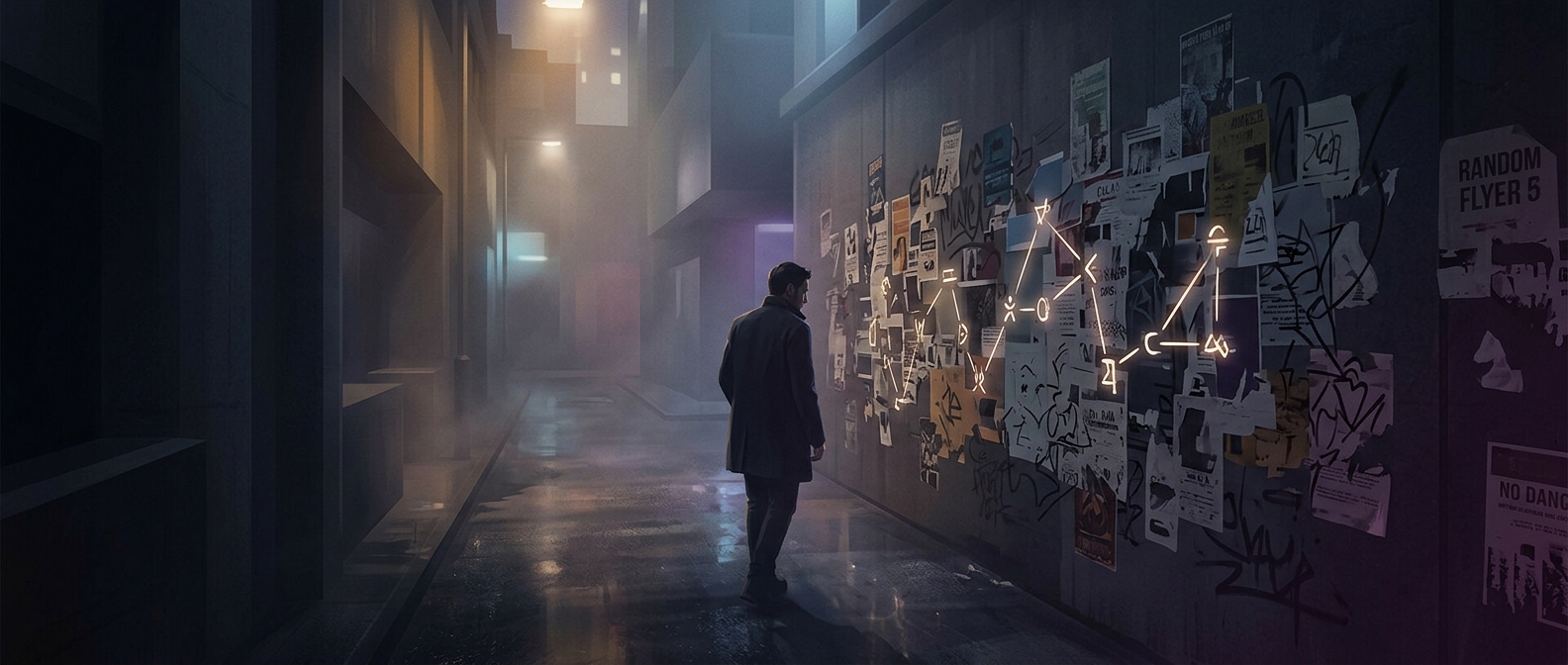
This kind of account can also make new information feel easier to sort. Details that fit the theory become evidence; conflicting details may be dismissed as part of the concealment. That can give the story a reassuring consistency, but it also makes the explanation harder to test fairly.
The tradeoff is that a feeling of control is not the same as the ability to predict or change what happens. A plot may offer a clear villain while leaving a person with few reliable ways to act. In that sense, the theory’s comfort comes from turning confusion into a story—not necessarily from making the world more controllable.