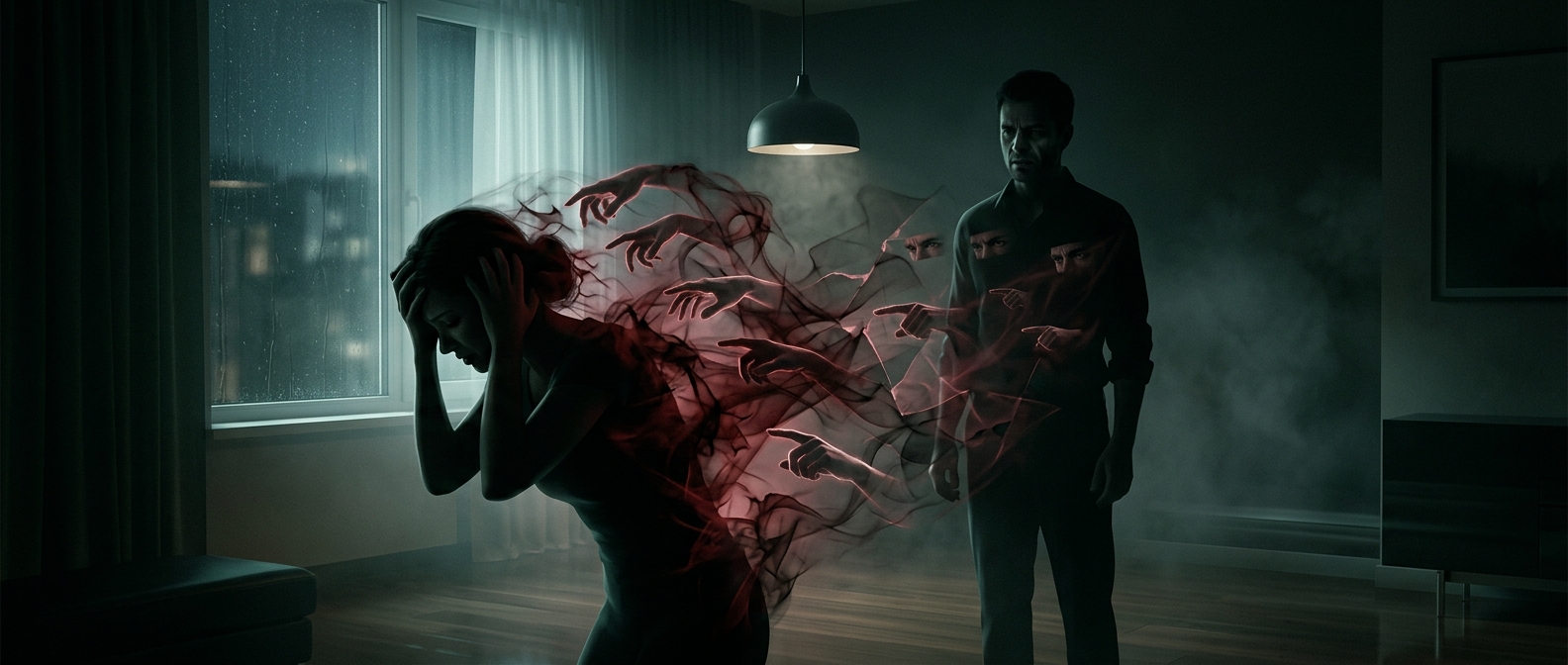
Why a coincidence can feel personal
A song comes on just after a breakup, and its lyrics seem to describe the moment exactly. The event is ordinary; the feeling of being addressed is not. The mind is constantly sorting a flood of sights, sounds, and memories, looking for patterns that might matter. When a detail fits a worry or hope already on your mind, it can stand out as if it had been placed there for you.
Attention finds the match
This begins with attention. A person thinking intensely about a breakup is more likely to notice songs about loss, remember a stranger’s phrase that echoes a private conversation, or connect unrelated events to the same concern. The many details that do not fit usually pass without notice. The match, by contrast, gets replayed and gains emotional weight.
Memory reinforces the effect. We tend to recall the striking coincidence more readily than all the times a song or phrase appeared without seeming relevant. That imbalance can make a pattern feel unusually frequent—and therefore intentional—even when it is the memorable exceptions doing most of the work.
The mind supplies a sender
Once a coincidence feels significant, the mind may move from “this reminds me of something” to “this is meant to tell me something.” That shift adds an imagined intention to an event that may have no connection to the observer. It is especially compelling when someone is under stress or actively searching for direction, because a clear message can feel more satisfying than uncertainty.
Noticing a coincidence can still reveal what is already important to a person: a loss, a decision, or a fear. But the feeling of personal significance is not, by itself, evidence that an outside force arranged the event. The same song can feel like a message on one day and just background music on another, depending on what the listener is carrying into the moment.