When “I feel dead” becomes an explanation
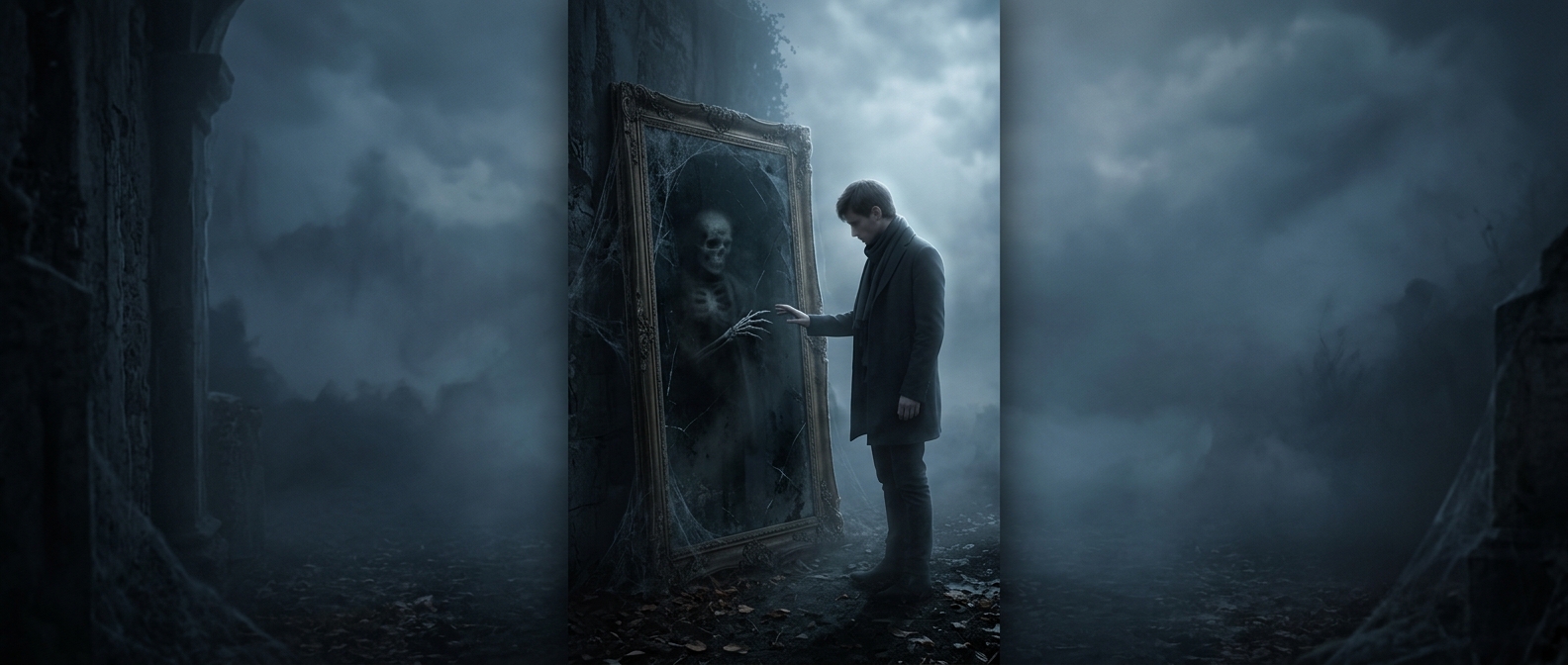
Cotard delusion is a rare condition in which a person becomes convinced that they are dead, do not exist, or have lost parts of their body or organs. These are not simply figures of speech for feeling numb or hopeless: the belief can shape how someone interprets ordinary events, such as eating, moving, or seeing their reflection.
The delusion is often associated with severe depression or psychosis, and it can also occur alongside some neurological conditions. There is no single known cause that explains every case.
How an impossible conclusion can feel certain
A leading way to understand the experience is to consider how the brain combines perception with emotional signals. Recognizing a face or noticing one’s body involves more than identifying shapes and sensations; familiar feelings help make those perceptions seem personally real. If that sense of familiarity or emotional connection is profoundly disrupted, the world—and the self—may feel empty or unreal.
The brain still tries to make sense of that experience. A belief such as “I must be dead” can become an explanation that fits the person’s altered sense of reality, even when other evidence contradicts it. This is not a deliberate choice or a puzzle the person can necessarily resolve by being shown proof. A belief can feel like the most straightforward account of experience when the experience itself has changed.
Why the belief matters
Because the delusion may include a conviction that the body no longer needs food, water, or care, it can create practical risks as well as distress. Recognizing it as a serious change in someone’s experience—not as a joke or an argument to win—can make it easier to seek professional help. The striking part is not merely that a person can claim to be dead while speaking and moving; it is that those actions may no longer feel like evidence of being alive from the inside.