How a Threat Becomes a Mental Template
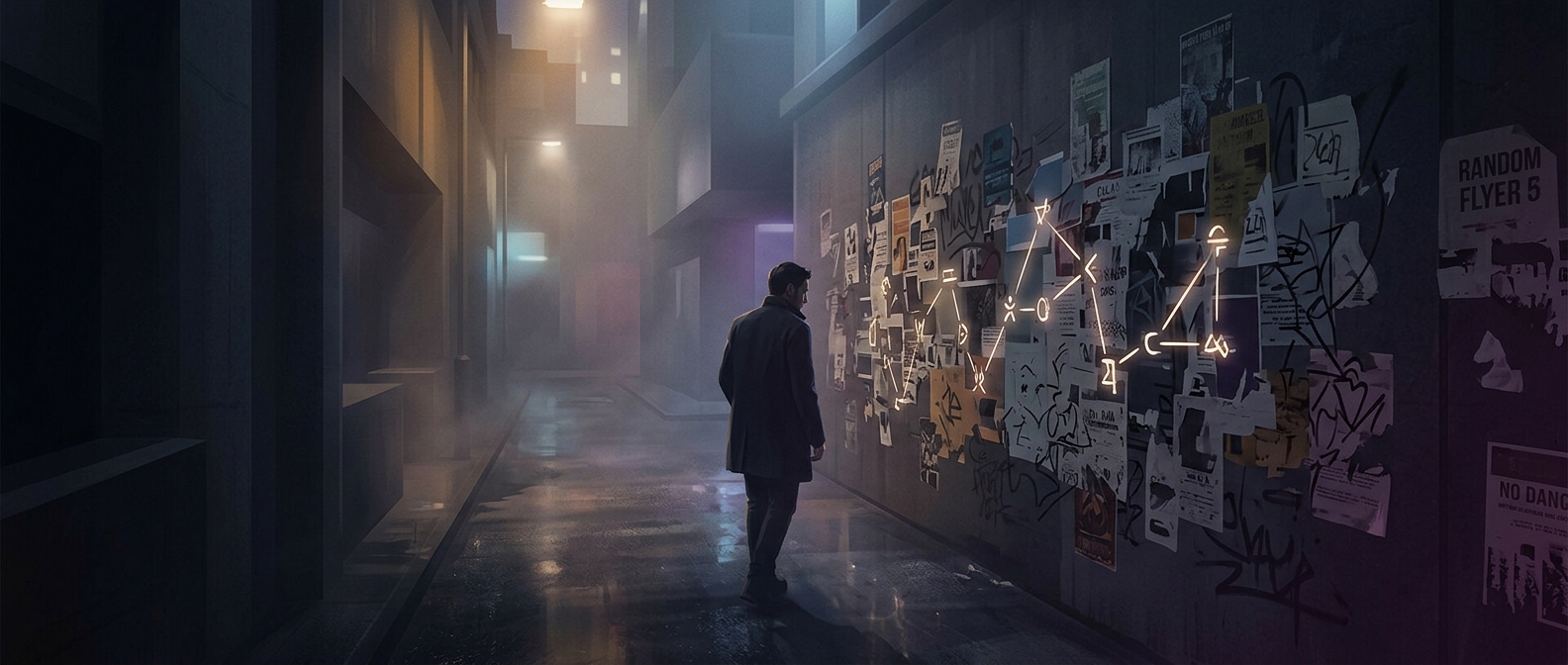
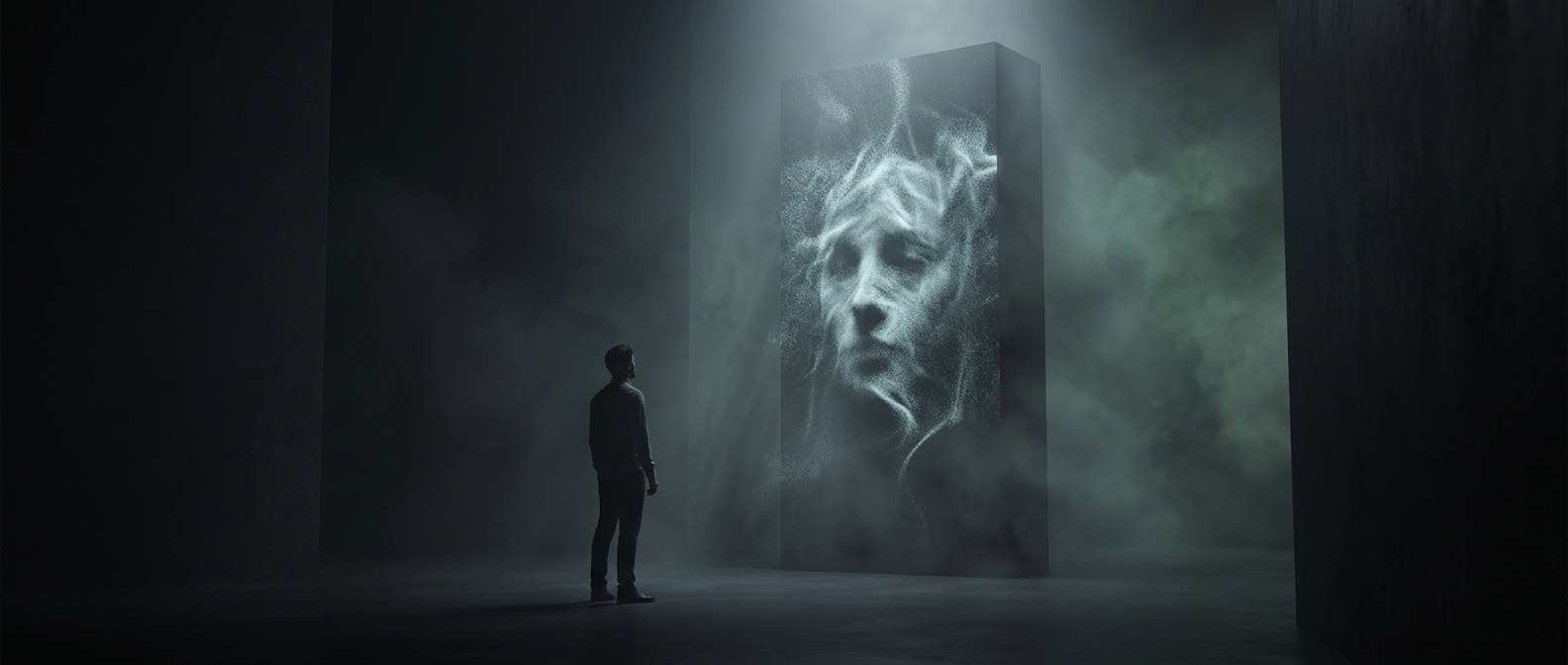
When someone repeatedly fears a particular person, the brain begins keeping a working model of what to watch for: a face shape, a coat, a way of walking, or a familiar route. This is useful when danger is real. The mind can compare a new sighting with that stored pattern without starting from scratch.
But the pattern is not a perfect photograph. It is more like a collection of clues, and some clues are shared by many people. If a stranger matches a few noticeable features, the brain may flag them before it has enough information to tell whether they are actually the same person.
Why Stress Widens the Match
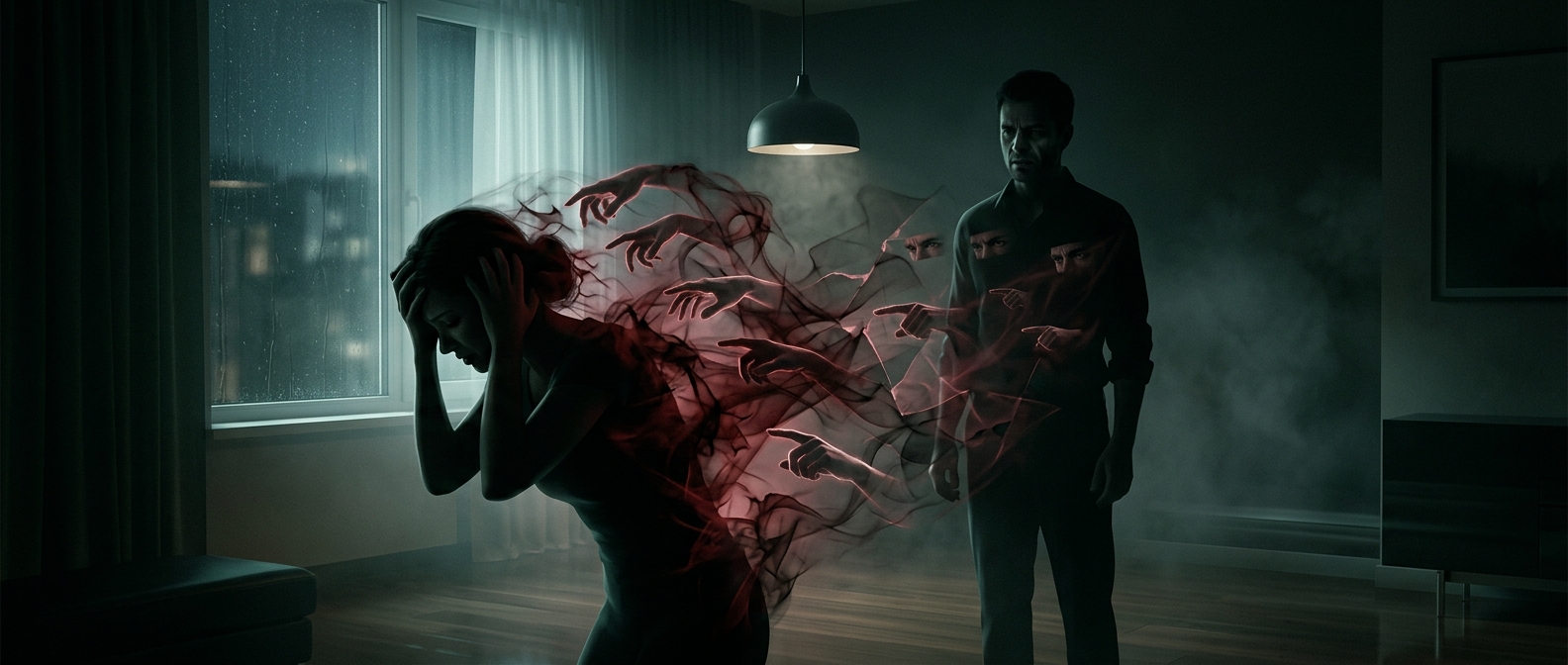
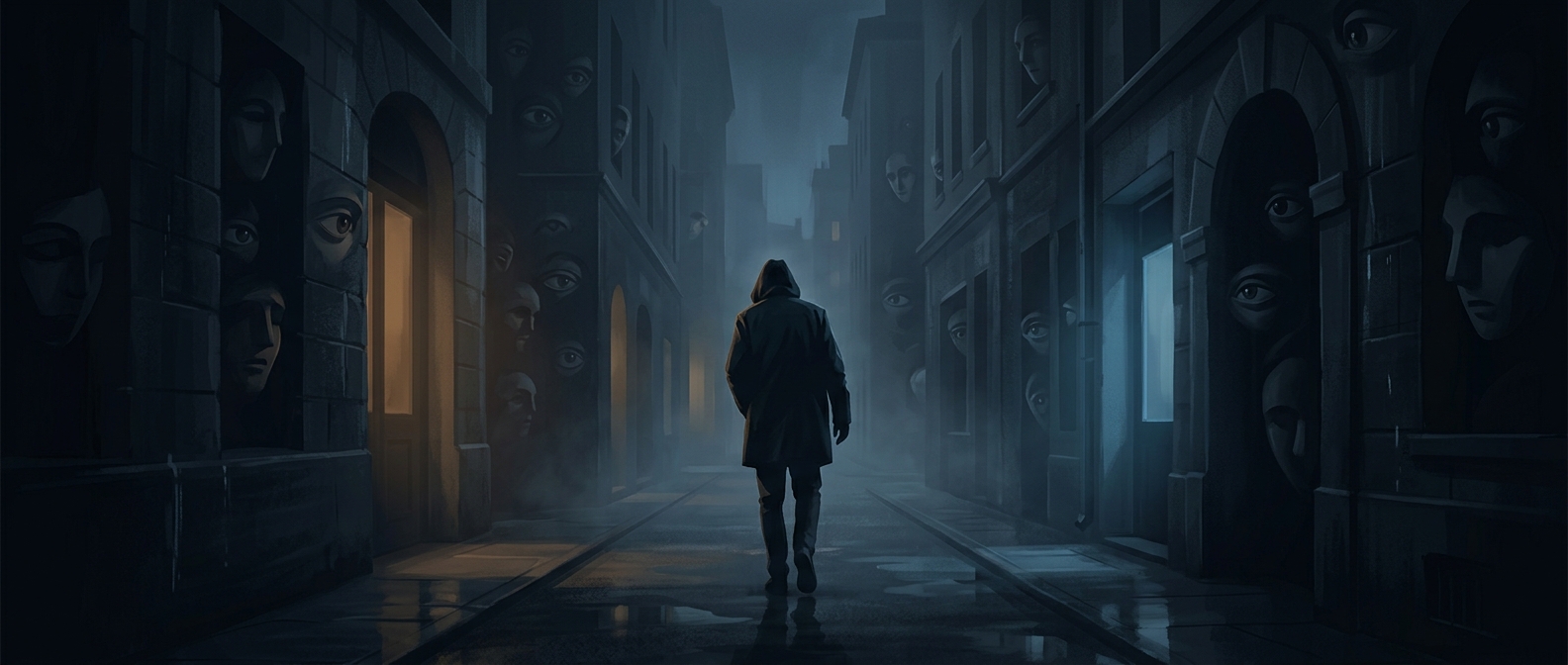
Under stress, attention tends to prioritize possible danger. That can make matching features feel especially important while making other details—such as context, distance, or differences in appearance—harder to weigh. The result is threat generalization: a response learned for one person or situation spreads to similar-looking people or circumstances.
The experience can feel like recognition, even when the evidence is only resemblance. Each ambiguous sighting may also strengthen the expectation that the person will appear again, making the next possible match easier to notice. That does not mean the concern is imaginary; it means that a strong sense of familiarity is not, by itself, proof of identity.
Separating a Match From a Clue
A useful distinction is between what was directly observed and what was inferred. “A person in a dark jacket was near the entrance” is an observation; “it was the same person” is a conclusion that may need more evidence. Keeping those separate helps prevent a few shared features from turning into a certainty—and makes it easier to recognize when a genuinely repeated pattern is present.