When a Duck’s Gaze Feels Like Evidence
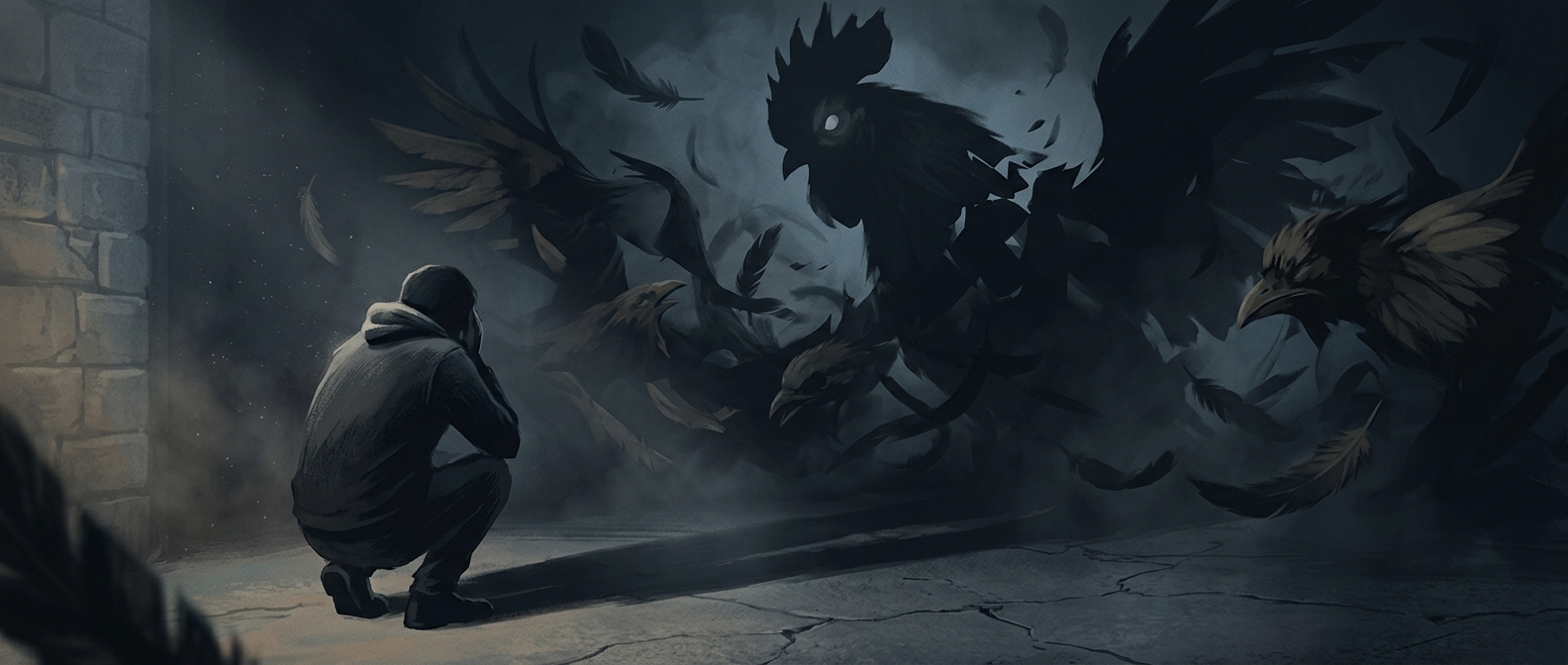
Anatidaephobia is commonly presented as the fear that a duck is watching you. The idea works as a joke because it takes a familiar feeling—being observed—and gives it an absurdly specific source. But the psychological mechanism it gestures toward is recognizable: once a person expects to be watched, an ambiguous glance can start to feel meaningful.
How Expectation Changes What You Notice
A duck turning its head may be ordinary movement, with no special attention directed at anyone. Yet people do not interpret every scene from scratch. Expectations guide attention: if someone is already alert to the possibility of being watched, they are more likely to notice a duck facing their way and less likely to dwell on the many moments when it faces elsewhere.
That selective attention can make the suspicion feel self-confirming. The glance is noticed because it fits the expectation; noticing it then strengthens the expectation. The duck has not acquired an intention—the observer’s interpretation has changed.
Why the Joke Lands
The familiar version of anatidaephobia is associated with cartoonist Gary Larson’s The Far Side, where the premise is deliberately comic. It is not a standard clinical diagnosis. Its staying power comes from making an invisible mental habit visible: the mind can turn coincidence into a story, then use the story to interpret what happens next.
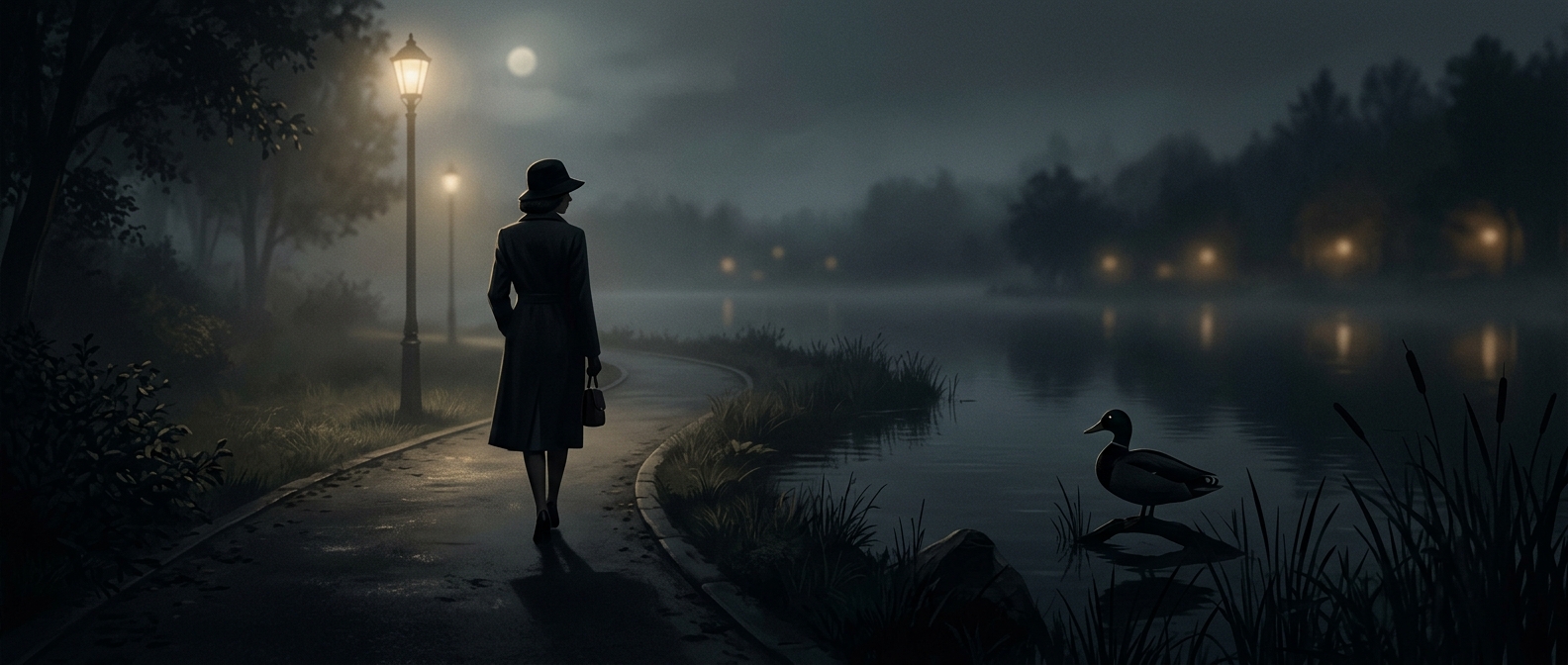
In real life, persistent fears of being watched can be distressing and deserve to be taken seriously, whatever the supposed watcher. The duck premise is funny precisely because it makes that leap easy to see: one ordinary turn of a head, and the pond becomes a courtroom of witnesses.