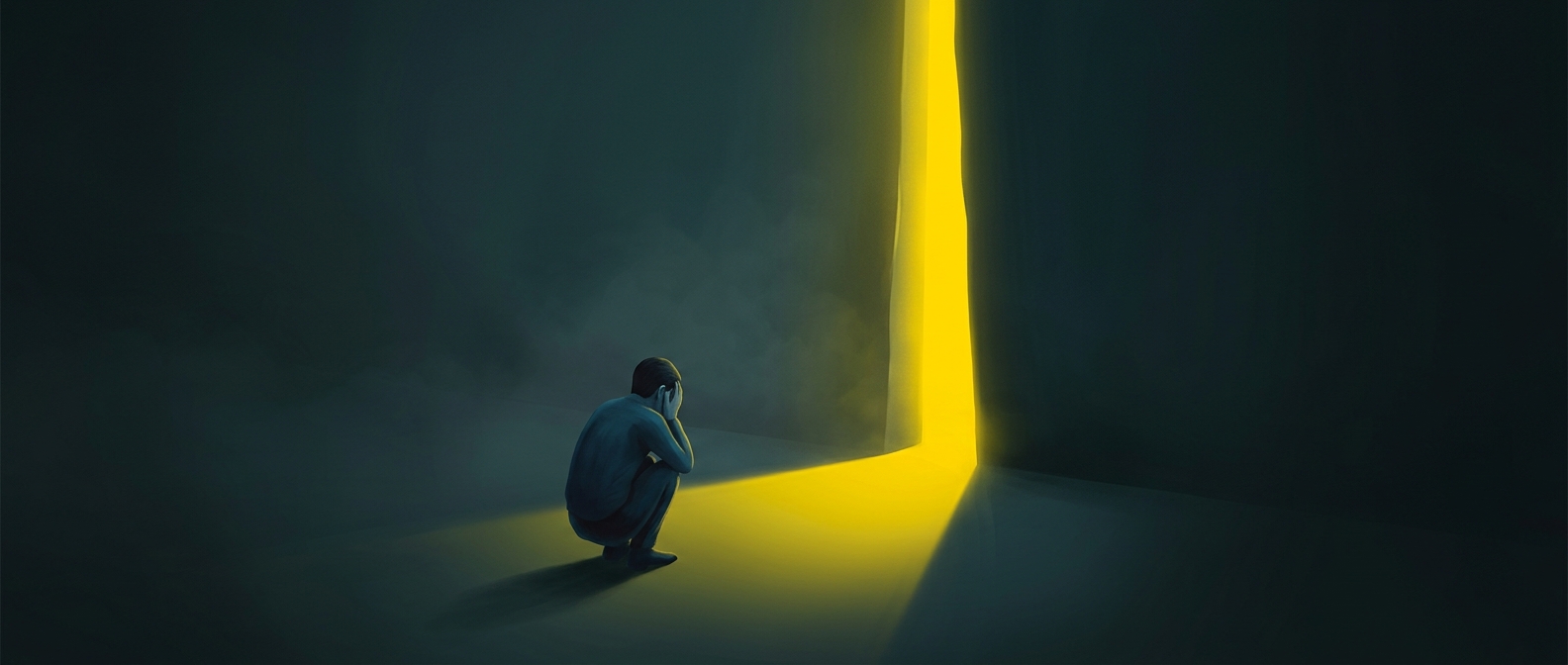
How a workday can become a danger cue
Anxiety does not have to wait for a difficult task to begin. The brain can start responding to signs that predict one: a Sunday evening, an alarm, a commute, or a notification from work. If those moments have repeatedly come before conflict, overload, humiliation, or another painful experience, the mind may learn to treat them as warnings.
That response is partly protective. The brain tries to anticipate trouble, and the body may prepare with a racing heart, tense muscles, nausea, or restless thoughts. But an alarm triggered by prediction can feel just as immediate as one triggered by an event happening now. The person may be reacting not to the next assignment itself, but to what work has come to signify.
Why avoidance can make the fear stick
Putting off a task or calling in sick can bring quick relief. That relief teaches the brain that escape worked, making avoidance more tempting the next time anxiety rises. The feared situation then gets fewer chances to turn out manageable, so the alarm may remain strong even when circumstances have changed.
This is not a matter of laziness or simply needing a better attitude. Work-related dread can have many roots, including a harmful workplace, sustained stress, or anxiety that extends beyond work. The feeling alone cannot identify its cause, but its persistence and effects—such as disrupted sleep, panic, or difficulty functioning—are meaningful signs that the problem deserves attention.
The cue is not the whole story
Noticing when the fear starts can help distinguish the trigger from the task: does it rise after a particular message, before a certain meeting, or whenever the next workday approaches? That pattern can offer useful information for a conversation with a mental-health professional or a trusted person. The alarm may begin before the workday, but that does not mean the distress is imaginary—or that its cause is beyond understanding.