How a color cue can become an alarm
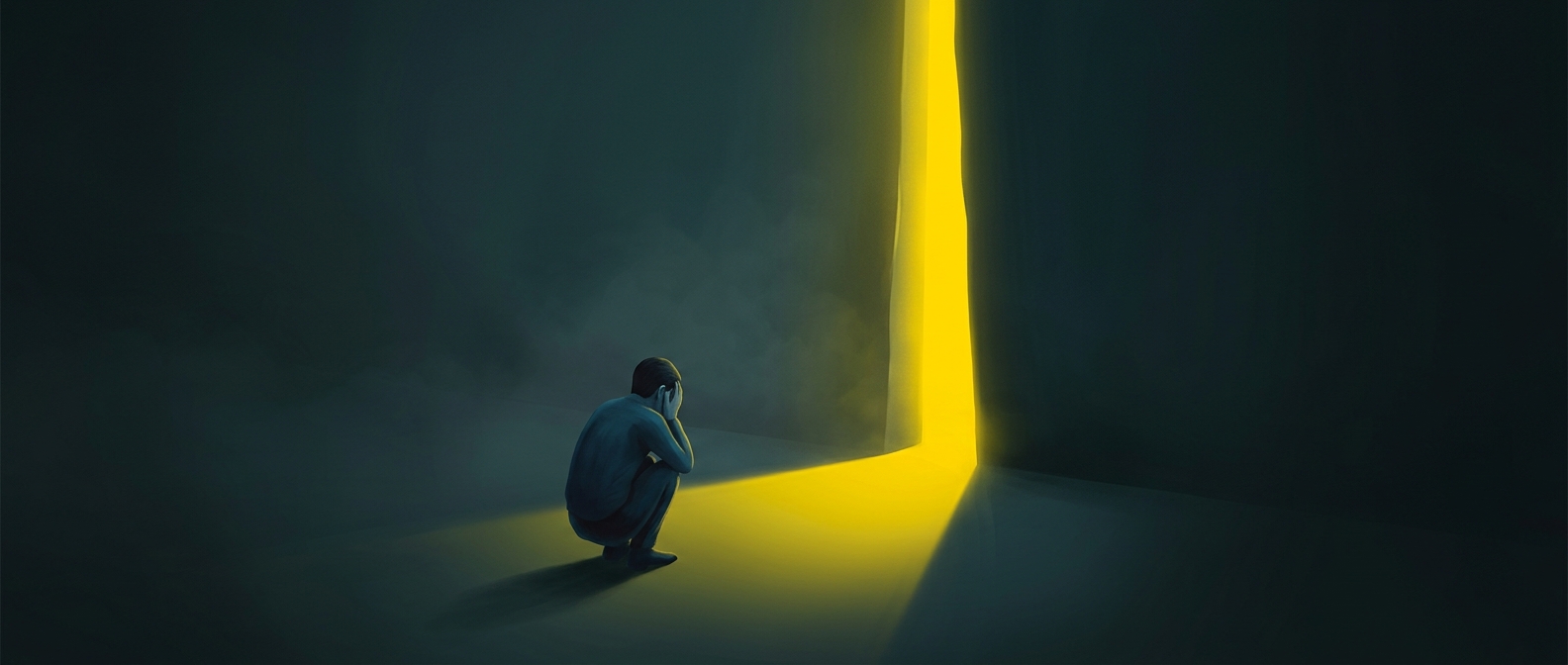
A phobia is more than dislike: it is a strong fear response tied to a particular cue, even when that cue poses no immediate danger. With xanthophobia, yellow may become that cue. The response is not a deliberate choice; the brain can react before a person has time to reason through what they are seeing.
Fear learning helps explain how this can happen. If a frightening or distressing experience occurs alongside a yellow object, the mind may link the color with danger. Later, yellow alone can bring back the alarm. The association can also strengthen through avoidance: steering clear of yellow brings quick relief, which teaches the brain that avoidance was necessary and leaves the fear untested.
When avoidance starts shaping the day
The fear may be triggered by particular shades, objects, or situations rather than every instance of yellow. But if the response is intense, ordinary choices can become complicated: a person might avoid a shop display, change seats, or take a different route to keep the color out of view. The practical burden comes not only from the moment of fear, but from the planning needed to prevent it.
A phobia is generally understood as a problem when fear is persistent and interferes with daily life; the color itself is not dangerous. Treatment can help loosen the learned alarm, often by approaching the feared cue gradually and safely rather than reinforcing escape. The striking shift is that a small patch of yellow can control a much larger decision: where someone goes, what they use, and what they avoid.