How a pleasant experience changes what a feared cue predicts
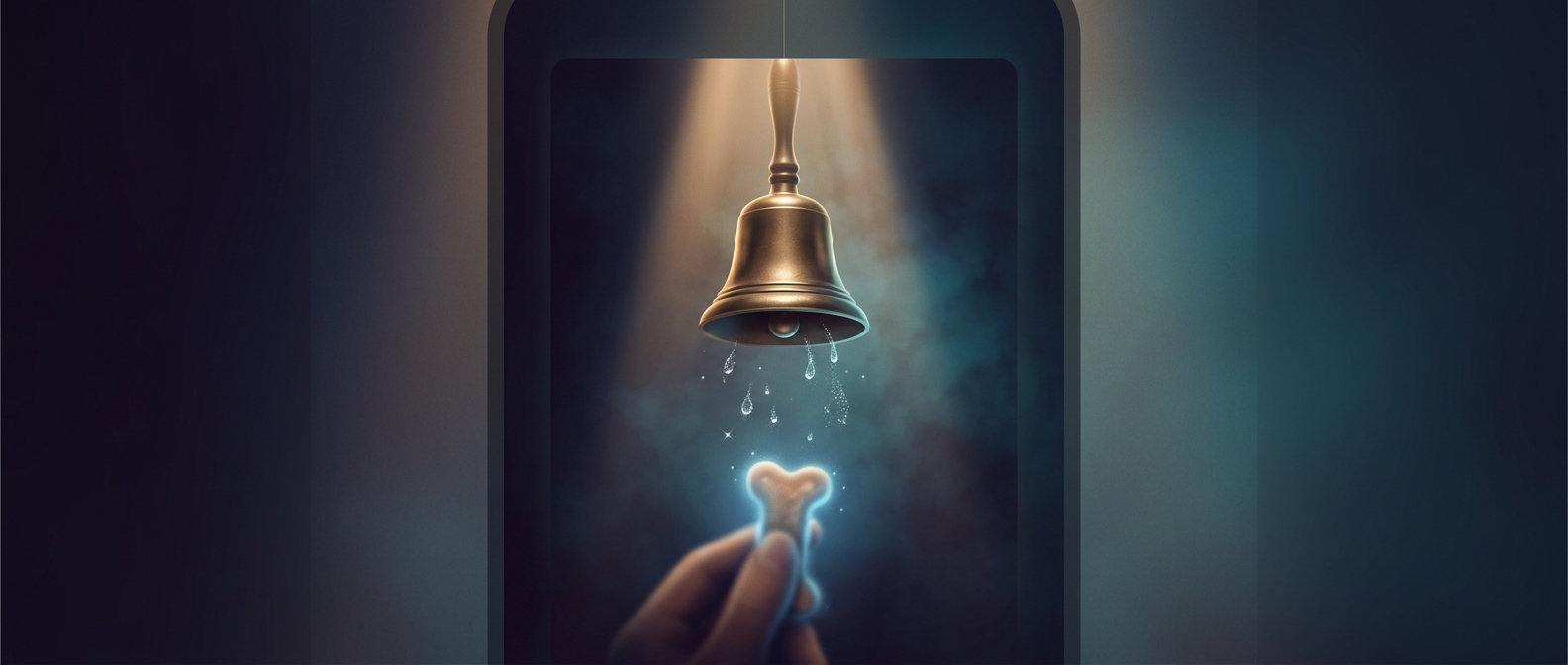
A phobia is not just a fearful thought; it is a learned prediction. A particular cue—a dog’s bark, an elevator, or the sight of a needle—can trigger the expectation of danger before a person has time to reason it through. Pairing that cue with something pleasant or calming can help create a competing prediction: the cue is present, and safety or comfort is possible too.
This is a form of new learning, not simply erasing the old fear. The original alarm may still return, especially after a long gap or in a new setting. But it no longer has to be the only response the brain can retrieve.
Staying with the cue is part of the lesson
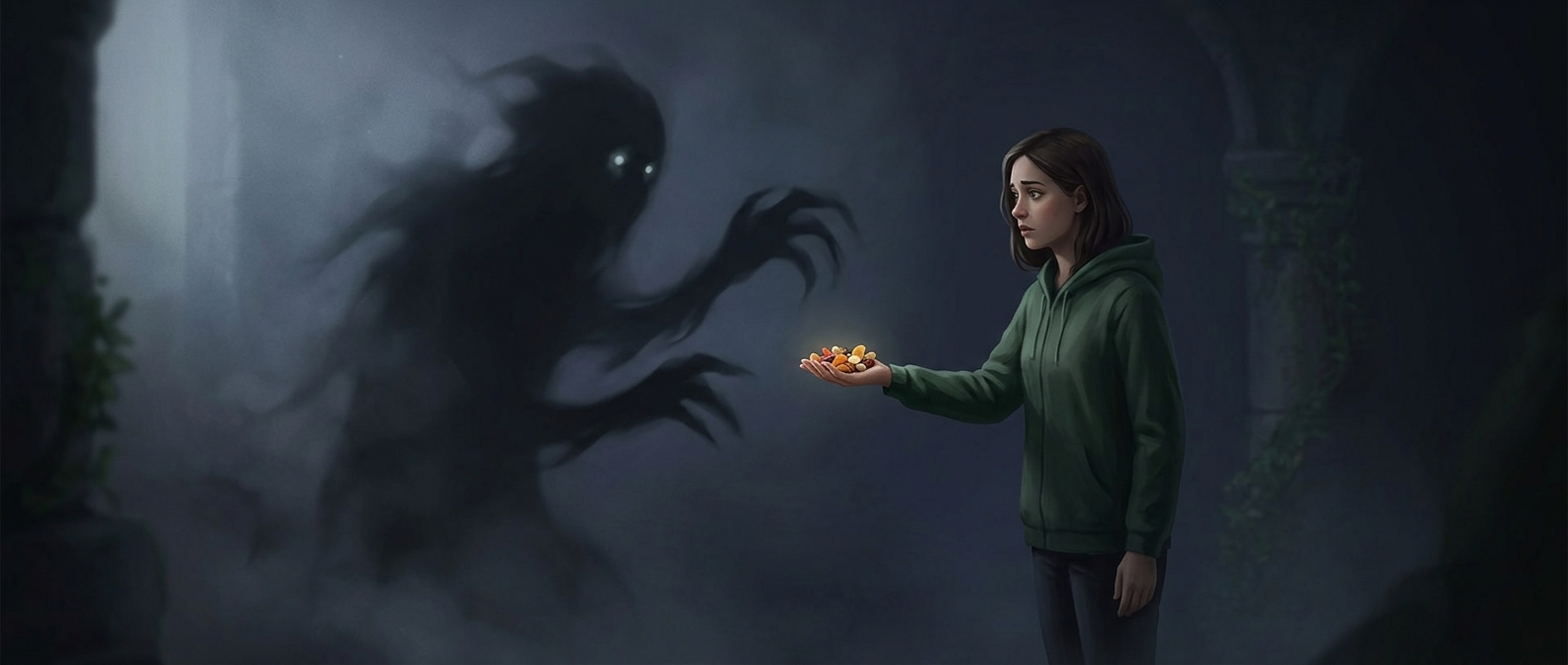
The feared situation must remain present long enough for the person to notice that the expected catastrophe is not happening. If someone steps away as soon as anxiety rises, the relief can teach the brain that escape was what kept them safe. In exposure therapy, the aim is instead to approach the cue in manageable steps and remain with it, while using a pleasant or calming experience to make that contact more tolerable.
That experience might be a soothing sensory focus or another safe, enjoyable activity. It is not meant to prove that nothing bad can ever happen; it gives the person a chance to experience the cue without the feared outcome taking over.
Why the new association needs practice
The effect depends on learning that can be recalled when it matters. Practicing with a cue in more than one situation can help the safer lesson feel less tied to a single room, therapist, or moment. Over time, a sound or place that once seemed to announce danger can become something the person can encounter without immediately obeying the alarm.