When a Sticky Texture Sets Off an Alarm
Peanut butter is thick and tacky: saliva does not thin it quickly, and it can cling to the palate—the roof of the mouth. That lingering sensation can make a swallow feel unusually deliberate. For someone who is sensitive to choking sensations, the mouth’s texture may become the focus of attention before there is any actual danger.
How Sensation Becomes Threat
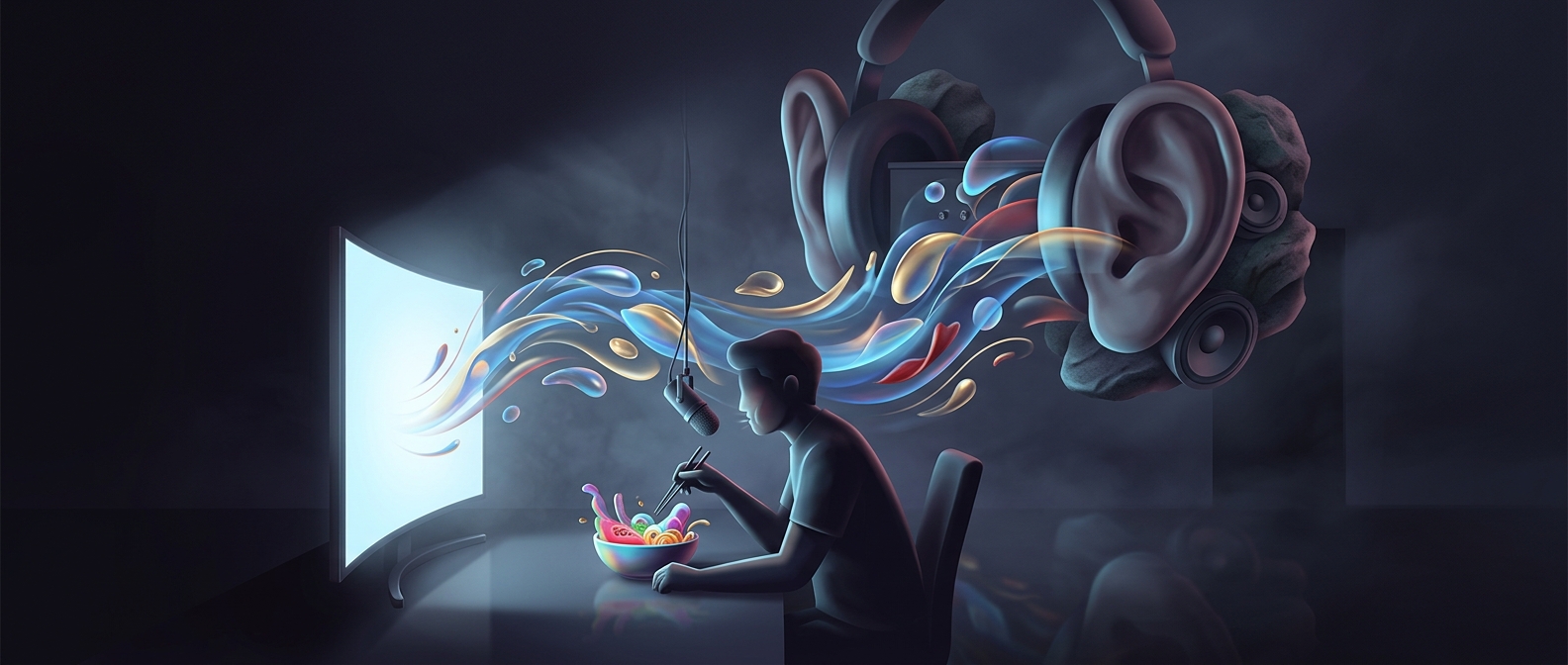
The brain does not simply register a sensation and move on; it also interprets what the sensation might mean. If a person expects swallowing to go wrong, a sticky mouthful can be read as evidence of danger or loss of control. That interpretation can trigger the body’s alarm response: anxiety rises, breathing may feel more noticeable, and the person may monitor each swallow closely.
That close monitoring can make swallowing feel less automatic. A process that usually happens without much thought becomes a sequence to inspect—Is the food moving? Can I swallow now?—and each pause can seem to confirm the fear. The sensation is real, but the threat attached to it may be out of proportion to what is happening.
Why the Fear Can Feed Itself
Anxiety can create a loop: the sticky feeling prompts alarm, alarm draws attention to the mouth and throat, and that heightened attention makes every sensation seem more significant. Avoiding the food may bring immediate relief, which can make avoidance more likely next time, even though it does not show that the texture was dangerous.
This is why an ordinary food can feel frightening to one person and merely inconvenient to another. The key difference is not the peanut butter alone, but the meaning the brain has learned to attach to the feeling of it lingering.