When Familiar Rooms Become Anxiety Cues
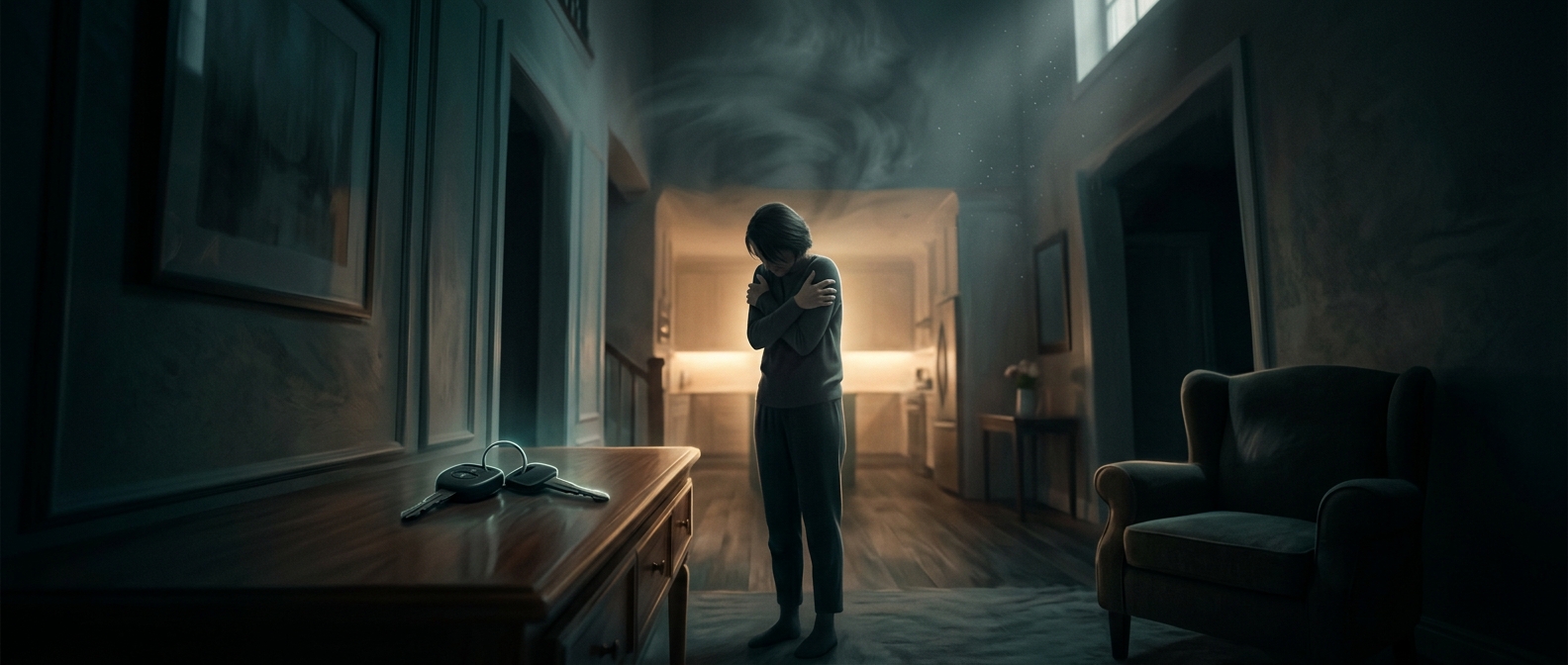
Oikophobia refers to an intense fear or aversion associated with home surroundings. The word is not a diagnosis that explains every case, and “home” can mean the dwelling itself or the familiar environment around it. The key psychological shift is that a place normally linked with safety begins to predict distress.
How the Association Takes Hold
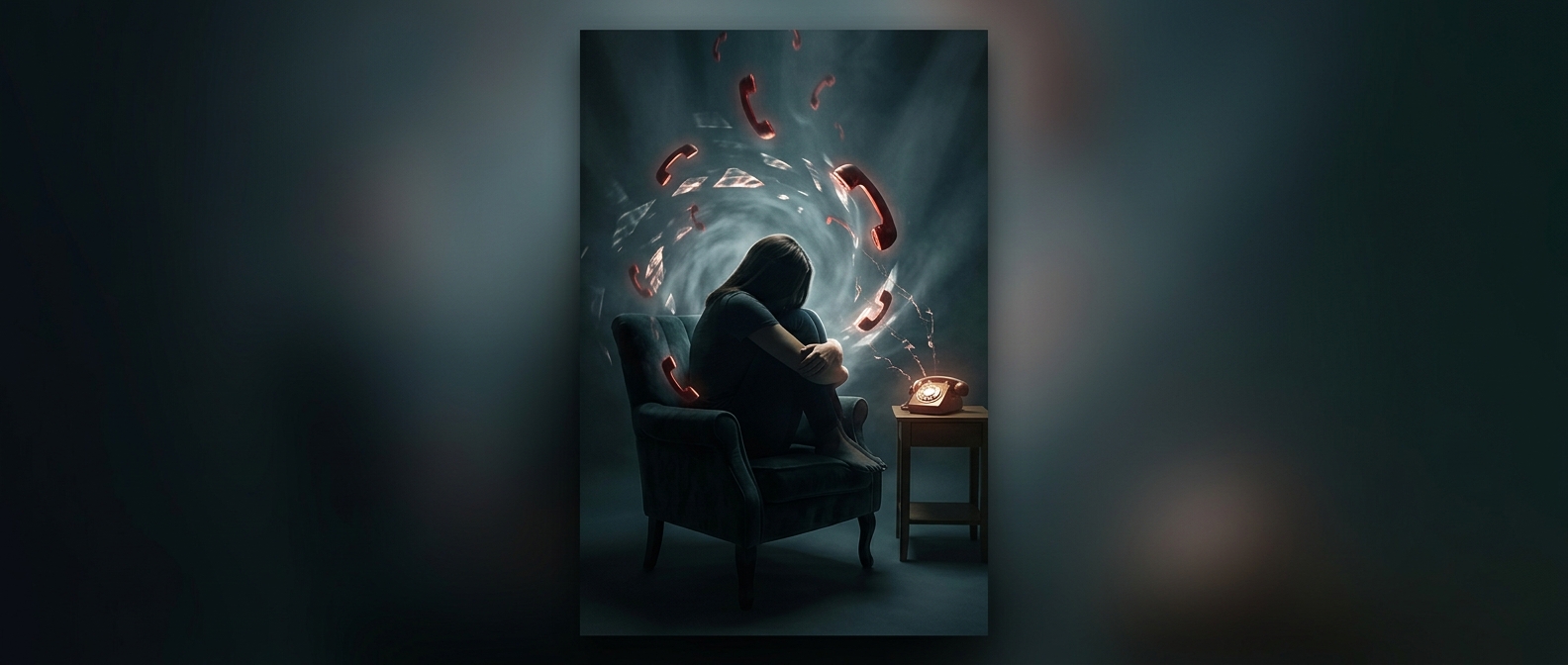
Anxiety can become attached to a setting when distress repeatedly occurs there. A difficult conflict, a period of illness, or panic that first happens at home may lead the brain to treat details of that setting—such as a particular room, a daily routine, or the walk to the front door—as warning signals. Those cues can provoke tension before anything threatening is happening in the present.
Avoidance can then keep the fear going. Staying away may bring immediate relief, which makes avoidance more likely next time. But it also leaves fewer chances to learn that the familiar place is not always followed by danger or distress.
Why It Can Disrupt Daily Life
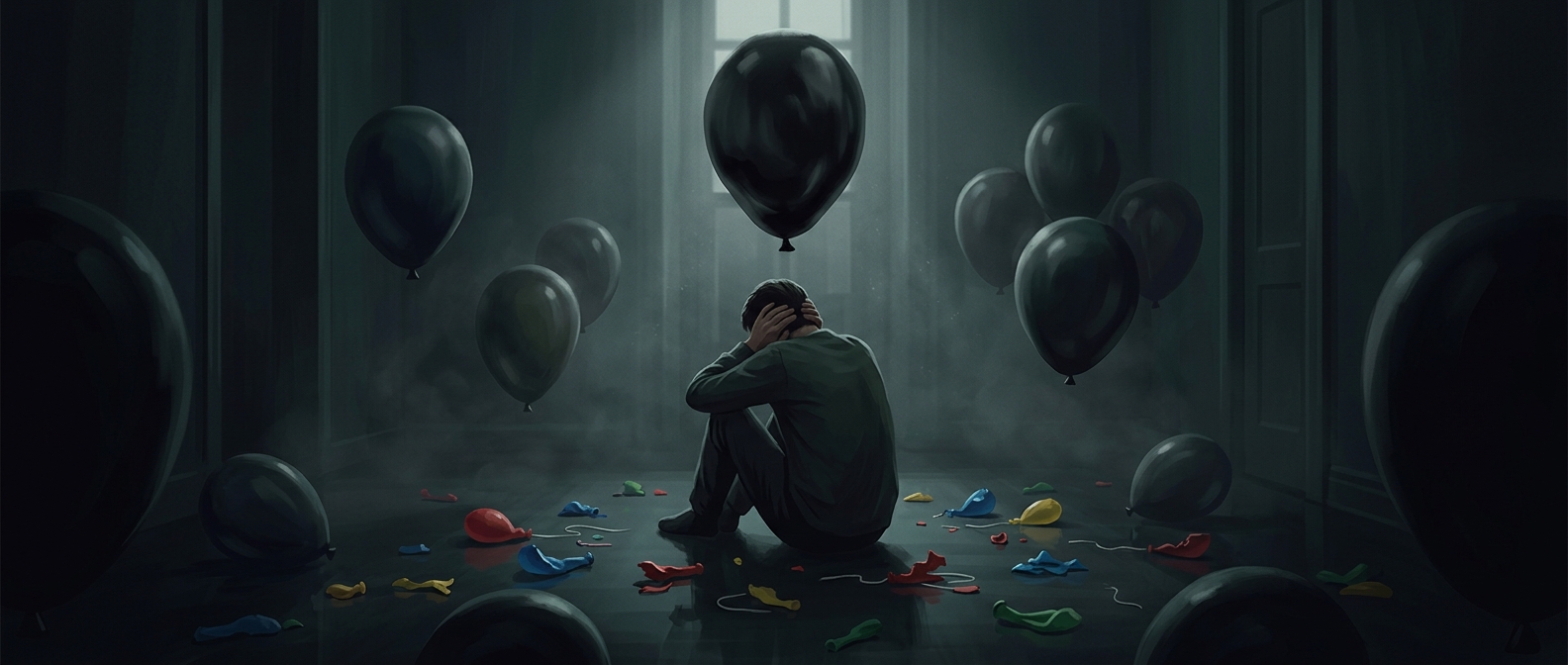
Because home is where people sleep, recover, and carry out ordinary routines, fear tied to it can narrow daily life. Someone may feel uneasy entering certain rooms, struggle to relax, or seek to spend as little time there as possible. That reaction is more than disliking one’s décor or wanting a change of scene: it is the home environment itself becoming a source of significant anxiety.
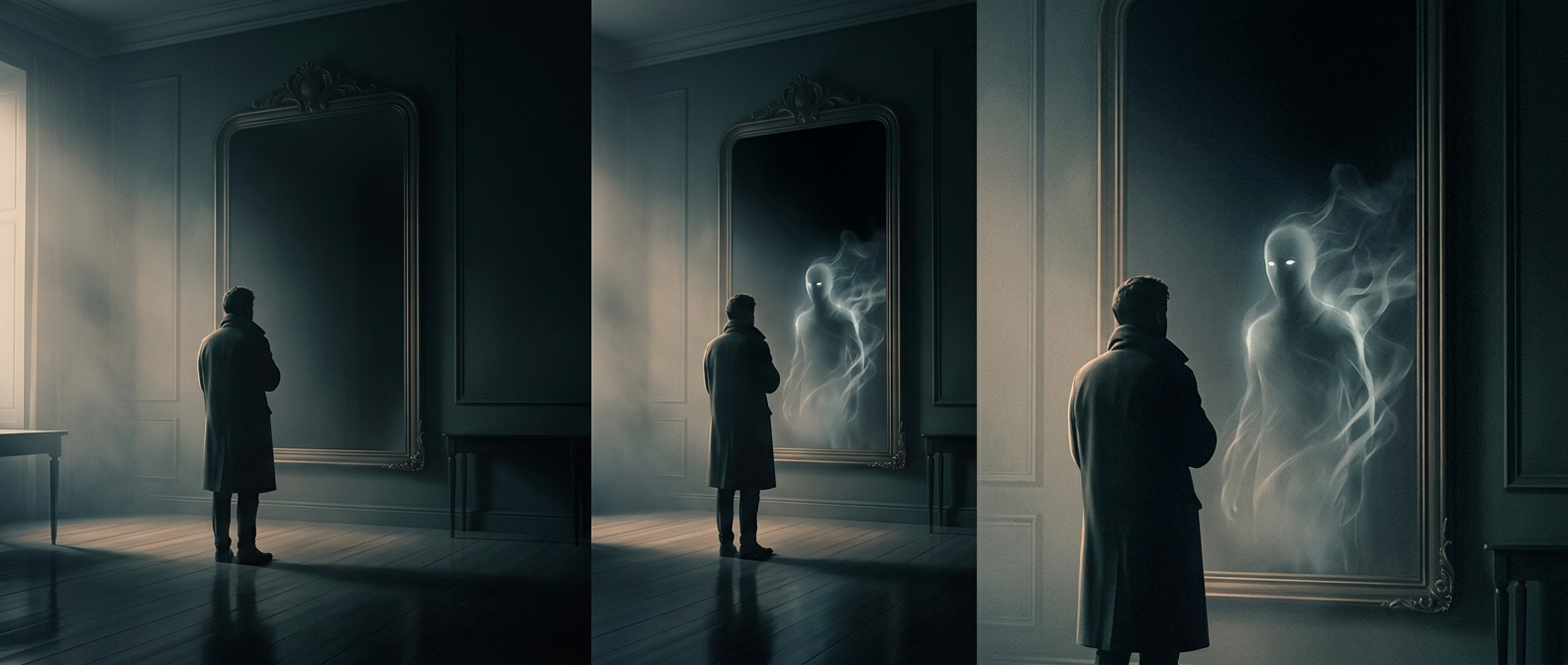
The important detail is that familiarity does not guarantee comfort. When ordinary surroundings have become linked to threat, even a quiet room can set off an alarm response—until the association changes.