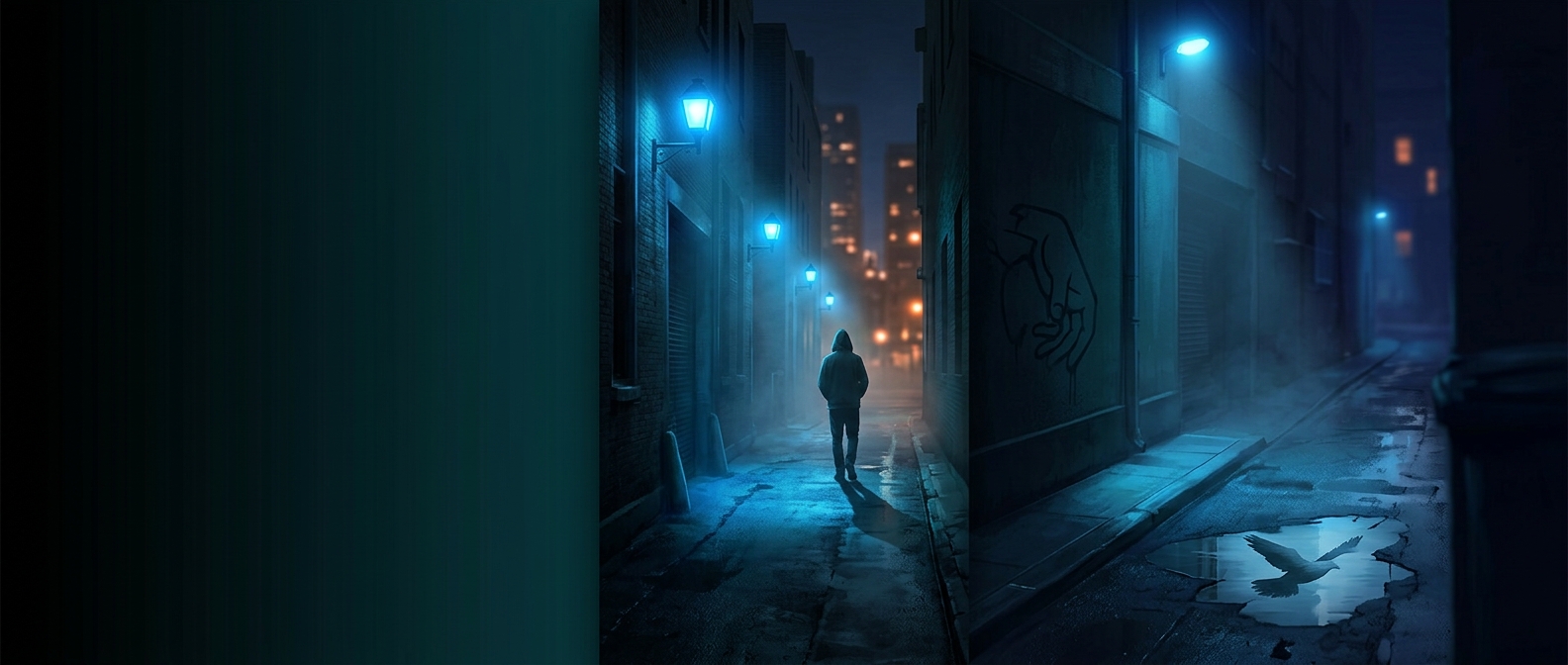
How a Change in Color Can Change a Street’s Feel
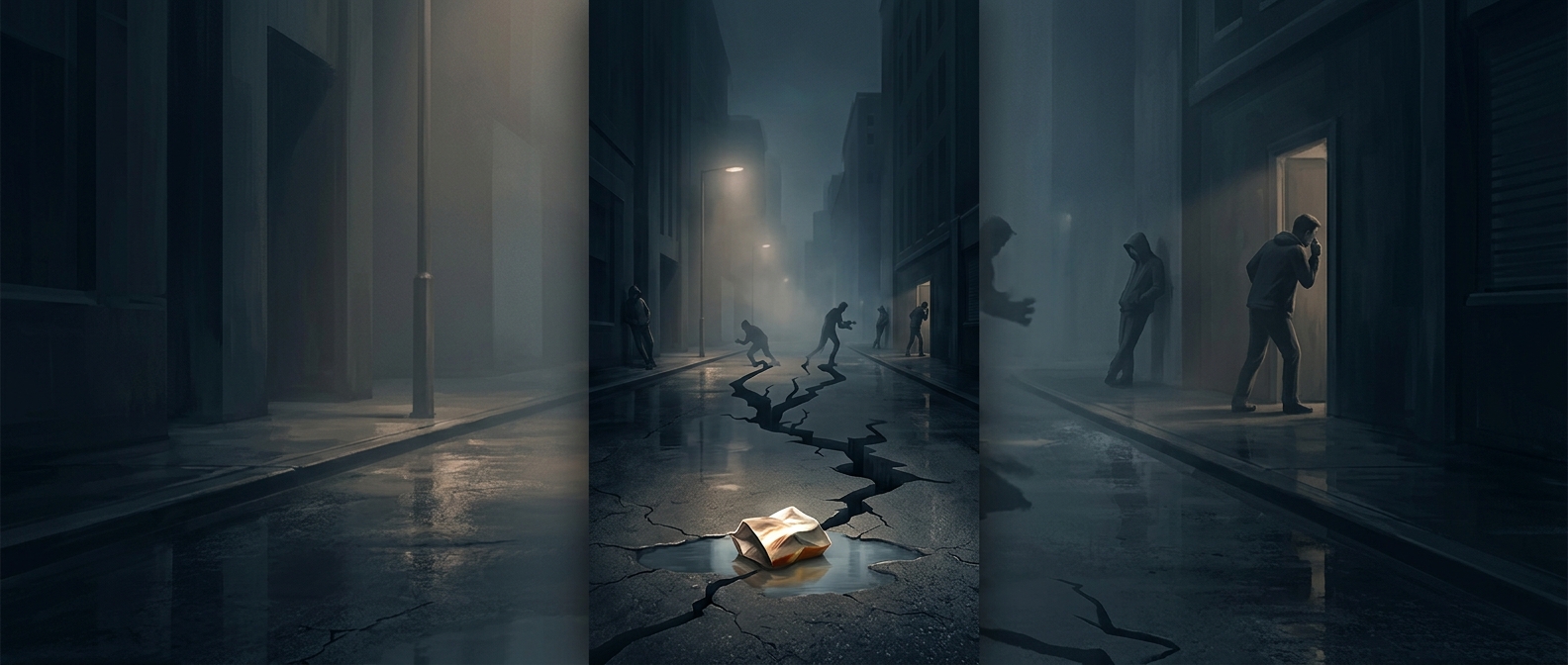
Street lighting does more than make obstacles visible. It also shapes what a place seems like after dark: welcoming or forbidding, orderly or neglected. Blue-tinted lamps were tested in some cities partly because reports linked blue-lit areas with lower crime. The idea was that a change in atmosphere might influence how people used the street.
That possibility has a straightforward psychological pathway. If a space feels calmer or more cared for, people may be more willing to linger, while behavior that depends on feeling anonymous may seem less comfortable. A visible change can also signal that someone is paying attention to the area. These are plausible ways a lighting project could affect behavior—not proof that blue itself prevents crime.
The Light Has to Work, Too
Color is only one part of street lighting. Brightness, even coverage, glare, and the ability to recognize faces or objects all affect whether a street feels safe and is practically usable. A colored lamp can alter how familiar surfaces and clothing appear, so a striking hue is not automatically better illumination.
And a neighborhood changes for many reasons at once: foot traffic, maintenance, policing, and the routines of nearby residents can all influence what happens there. A decrease in reported crime after a lighting change would not, by itself, show that the color caused it.
The experiment was therefore about more than choosing a fashionable bulb. It tested whether changing a nighttime setting could change the cues people respond to—and whether that altered feeling would translate into different behavior.