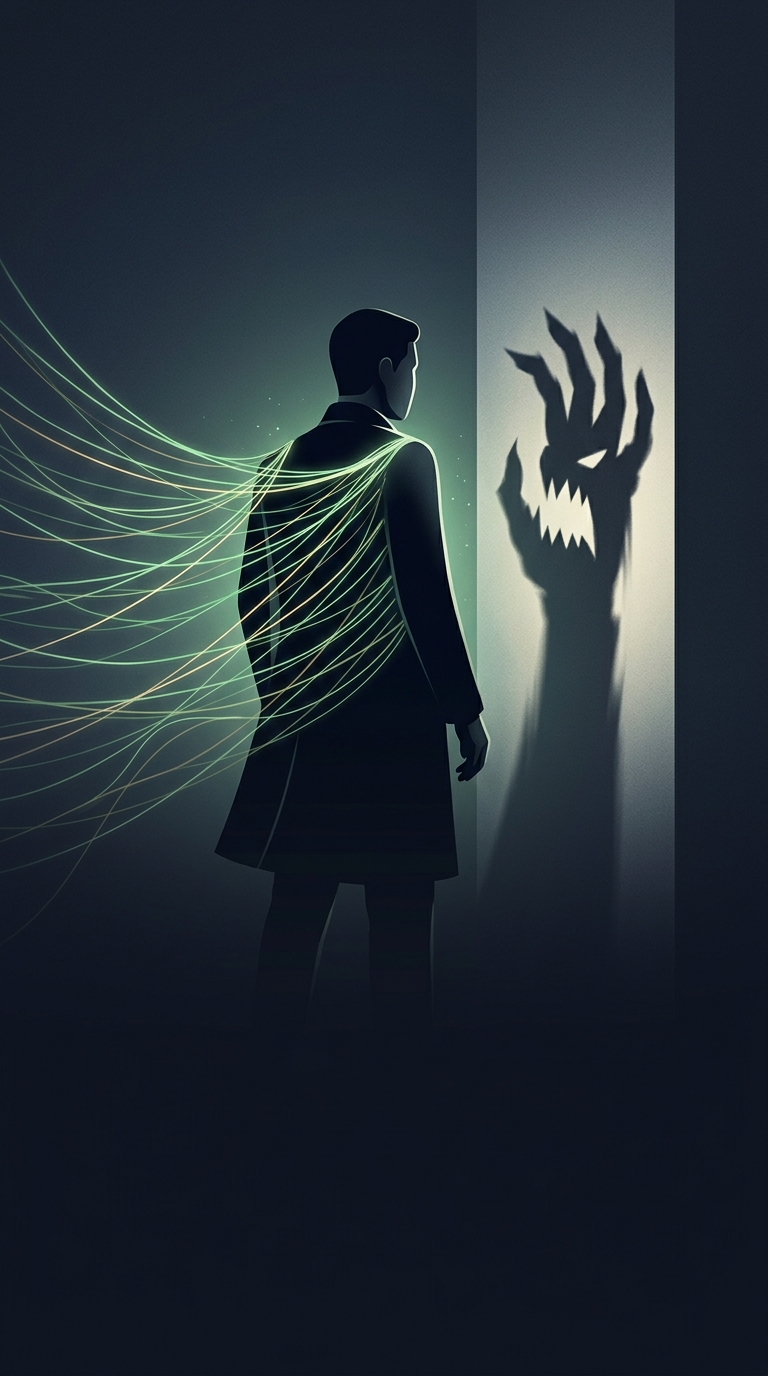
Why doing nothing can feel morally safer
Imagine you can prevent a serious mishap only by causing someone a minor inconvenience. Many people hesitate—not because they think the outcomes are equal, but because causing harm feels different from allowing harm. Psychologists call this the action–omission distinction: we tend to judge an unwanted result more harshly when it follows from something we did than when it follows from something we failed to do.
The hidden pull of responsibility
An action creates a vivid link between choice and consequence: “I did this, and that person suffered.” Inaction leaves a less visible chain. The harm may still be foreseeable, but it can feel as though events simply unfolded on their own. That distance can make doing nothing seem less blameworthy, even when acting would have prevented a much worse outcome.
The difference also shapes how people anticipate regret. If a deliberate intervention goes badly, it is easy to imagine wishing you had left things alone. If you never intervene, the missed chance to help may feel less immediate. That asymmetry can push decisions toward the status quo.
Why the instinct can mislead
This response is understandable: people want to avoid becoming the cause of someone else’s pain. But moral responsibility is not determined only by whether a person moved or stayed still. It also depends on what they knew, what they could reasonably do, and what consequences their choice made likely.
In emergencies, the distinction can matter sharply. A person may focus on the small, visible harm of stepping in and overlook the larger harm that inaction permits. Asking which choice leads to the worse outcome, rather than which choice feels less like causing harm, can make the tradeoff harder to evade.