The need to make bad luck feel predictable
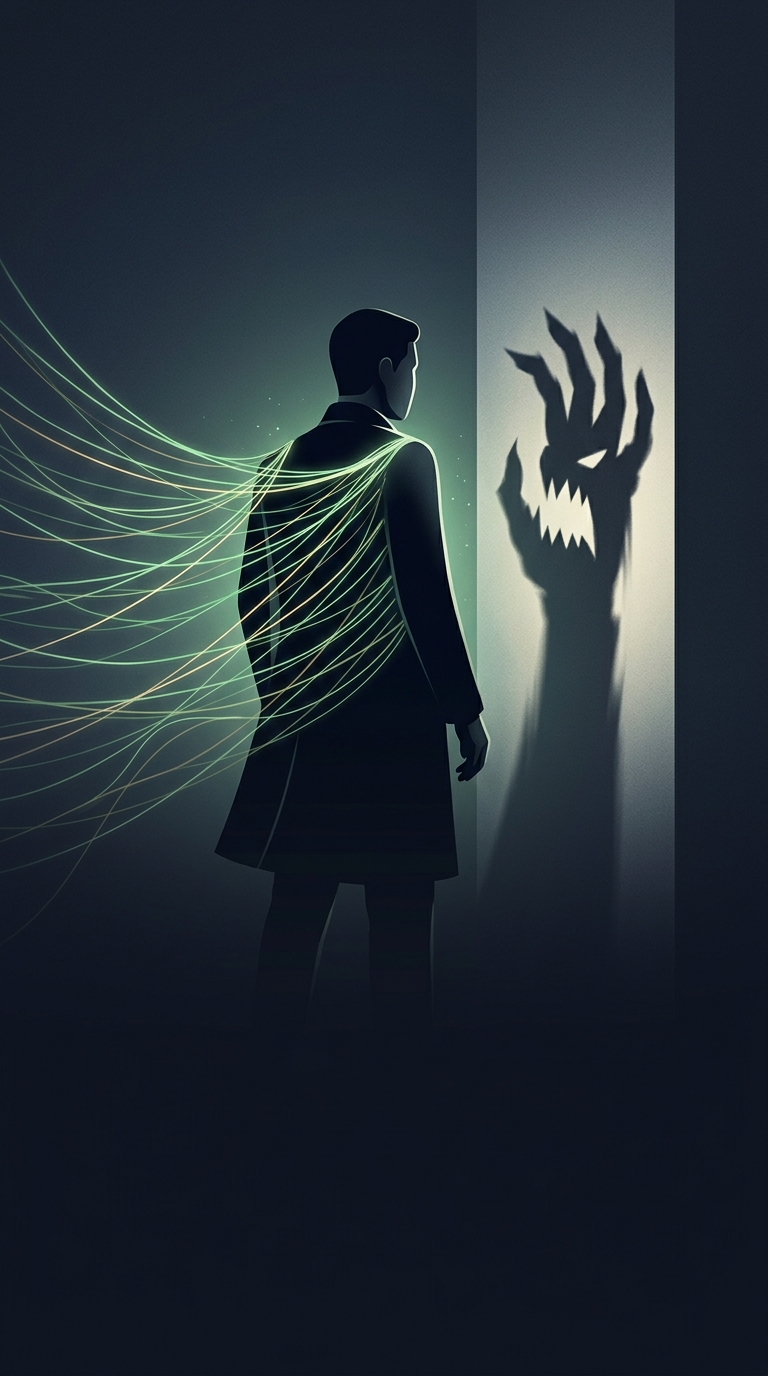
A random accident is frightening partly because it suggests that danger can arrive without warning or reason. Blaming the person harmed can make the event seem less random: if they made a mistake, then the world appears to have a rule that could keep the same thing from happening to us. Psychologists call this defensive attribution—explaining another person’s misfortune in a way that protects our own sense of safety.
The reasoning can happen quickly. Someone hears that a stranger was robbed and focuses on where they walked, what they wore, or whether they were paying attention. Those details may be irrelevant to the crime, but they offer a comforting distinction: I would behave differently, so I would be safe. The blame is less about establishing what caused the event than about drawing a boundary between “them” and “me.”
Hindsight makes preventability look obvious
After an accident, the outcome is known, so choices that seemed ordinary beforehand can look like clear warning signs. This is hindsight bias: once we know what happened, we tend to feel that it was more predictable than it really was. A split-second decision can be judged as though the person had the same information afterward that an observer has now.
That distortion is especially strong when a situation has an easy-to-name precaution—wearing a helmet, avoiding a certain route, checking a lock. A precaution might reduce risk without making someone responsible for another person’s harmful act or for an unpredictable event. Yet people often slide from “this could have helped” to “the victim caused it.”
What blame leaves out
Focusing on the victim’s choices can obscure the actions of a driver, attacker, employer, or institution, as well as conditions no one could control. It can also make people less willing to seek help: someone who expects judgment may stay quiet or delay reporting what happened.
A useful distinction is between asking whether a choice affected the odds and deciding who deserves blame. Reducing uncertainty for ourselves is not the same as explaining fairly what happened to someone else.