The law began as a defense of science fiction
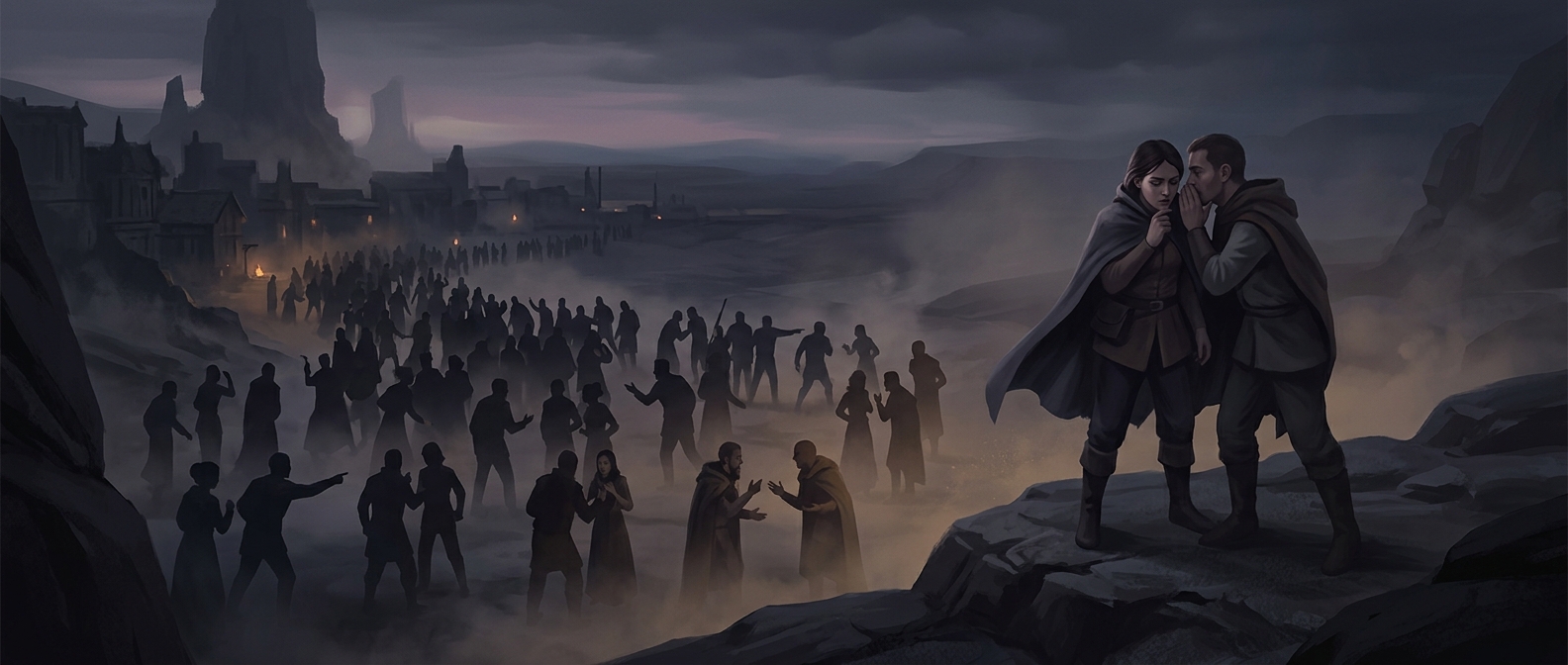
Sturgeon’s law is associated with Theodore Sturgeon, an American science-fiction writer who pushed back against the idea that the genre was uniquely full of bad work. His point was that dismissing science fiction by citing its weakest stories was unfair: every large field contains plenty of ordinary or unsuccessful work alongside its best.
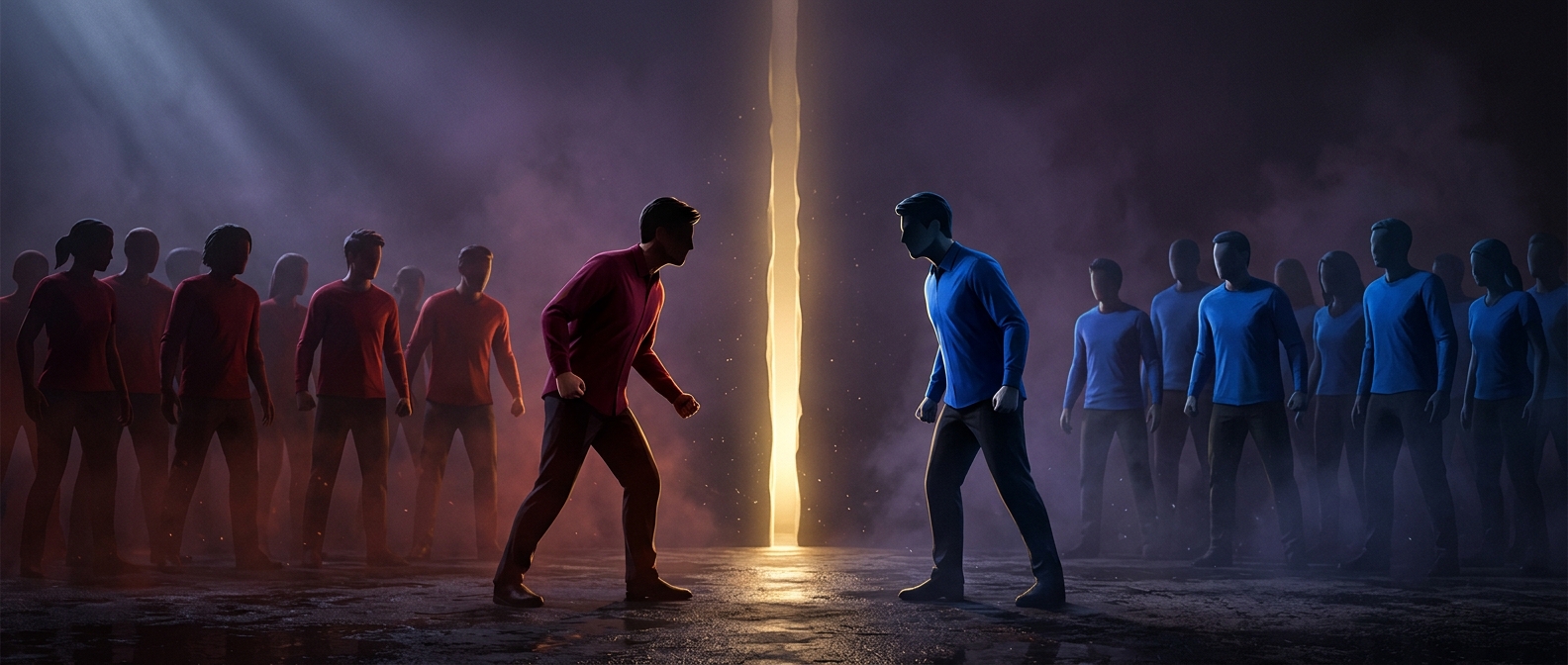
The familiar shorthand—that 90 percent of everything is “crap”—is deliberately blunt. It is not a measured rule about the exact share of bad art. It is a reminder to compare like with like: the weakest examples of one genre against the strongest examples of another make a lopsided comparison.
Why abundance makes the pattern feel stronger
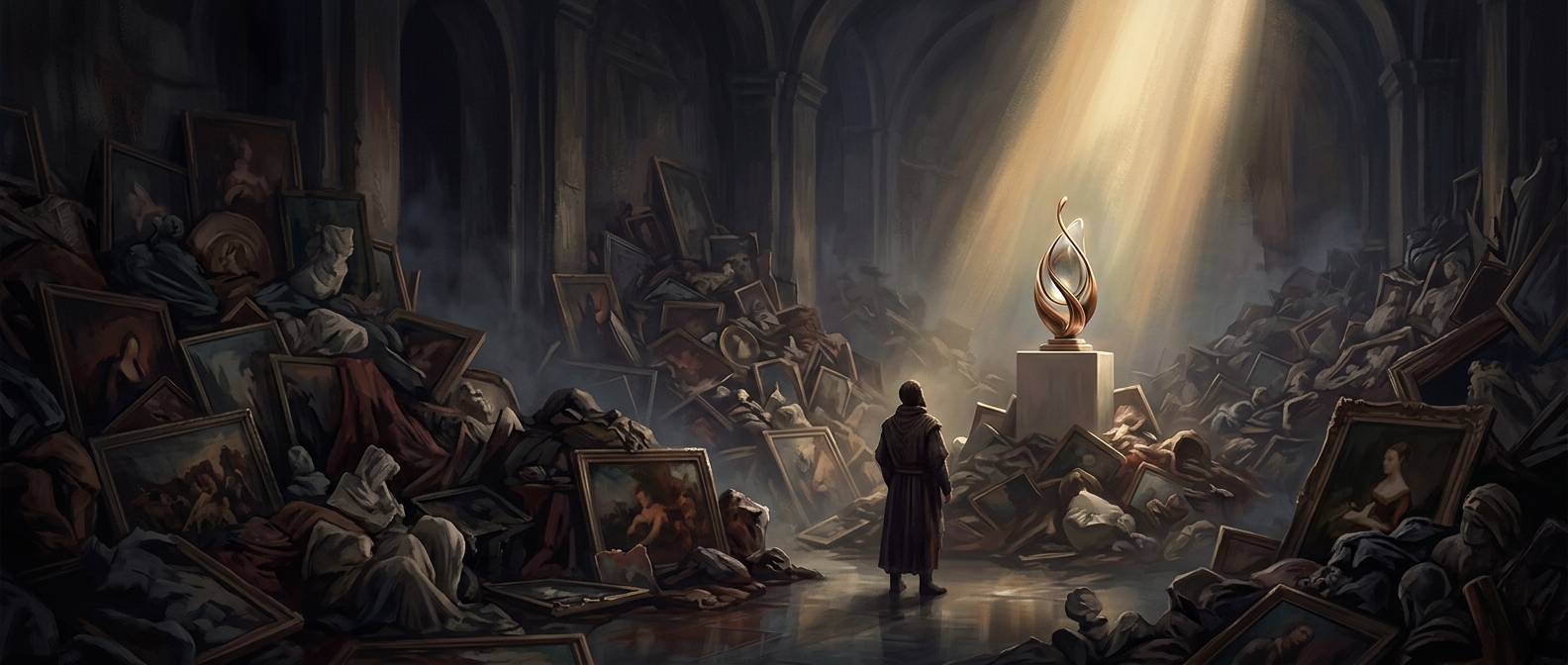
Making and distributing art has become easier in many forms. That means audiences encounter far more songs, videos, stories, and images than any one person could carefully assess. As the total pile grows, so does the amount of work that feels routine, unfinished, or simply not to a particular viewer’s taste. Even if exceptional work remains plentiful in absolute terms, it can be harder to find amid the volume.
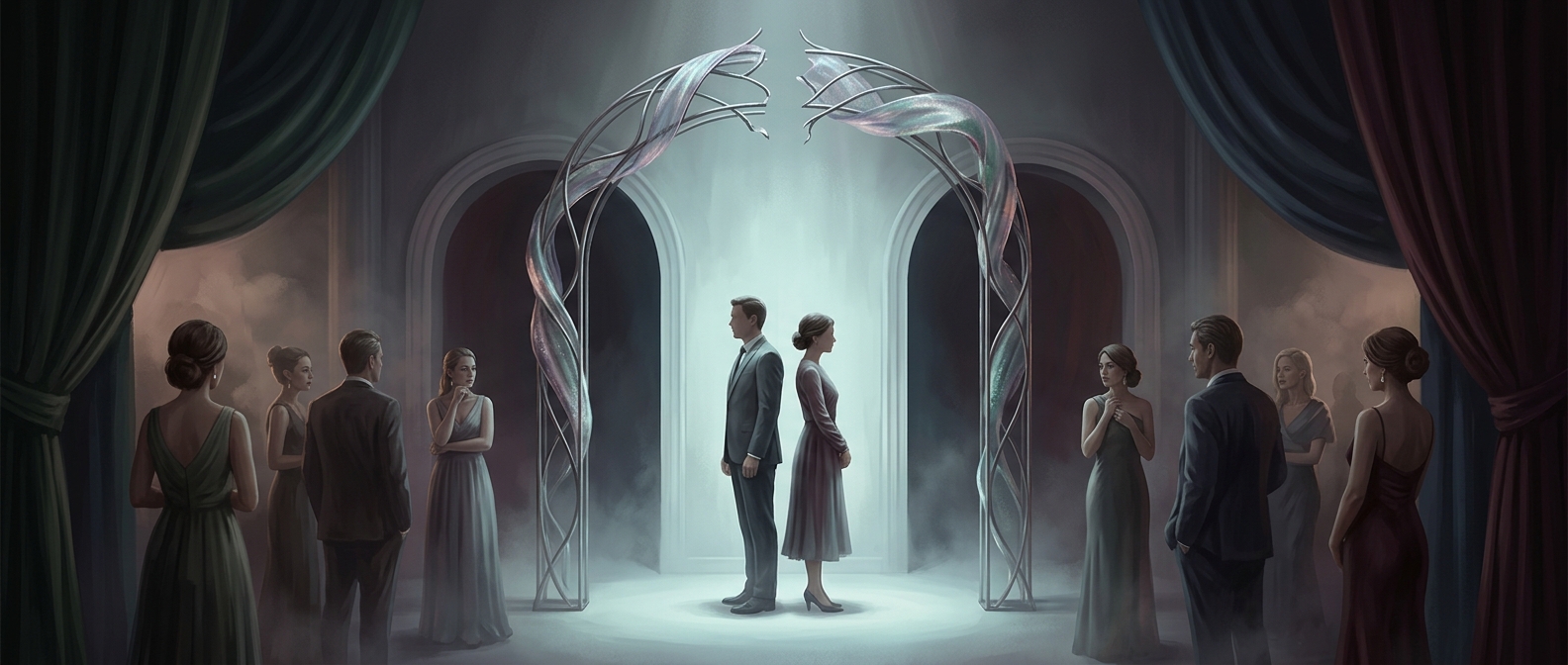
Attention adds another filter. People tend to remember work that surprises or moves them, while ordinary examples blur together. The standout piece can therefore seem rarer—and more striking—than it would if viewed alongside only the strongest work in its field.
A useful filter, not a verdict
Sturgeon’s law is best read as a way to resist judging an entire medium by its forgettable examples. It also reminds creators that producing more work does not automatically produce more masterpieces: audiences still have to discover and select them. The practical consequence is that a crowded field needs good filters—taste, curation, and persistence—to bring its exceptional work into view.