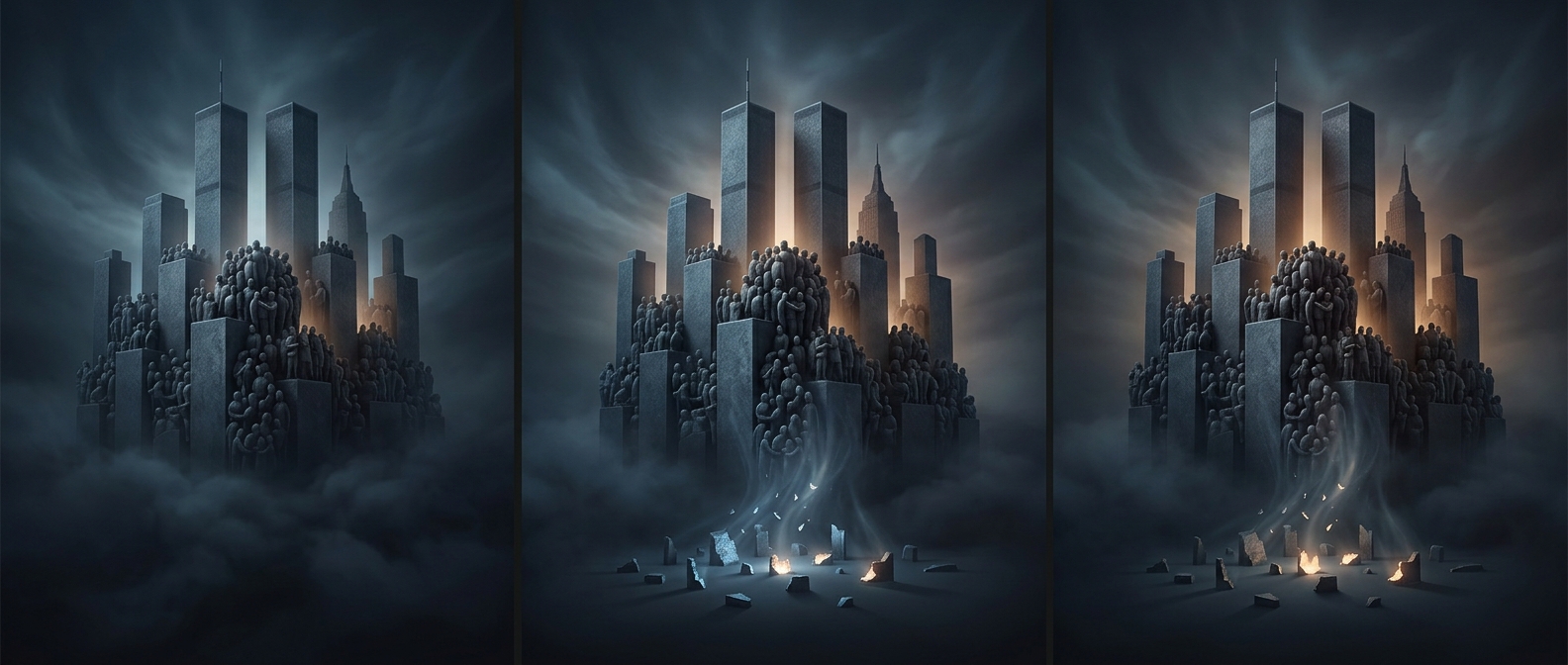
Why a crowd can make loneliness sharper
Loneliness is not simply the experience of being physically alone. It is the distress that can arise when a person feels they lack the connection they want. A quiet forest makes no obvious promise of conversation or companionship; a crowd does. When that expected connection fails to materialize, the contrast can make the gap feel more noticeable.
Presence is not the same as belonging
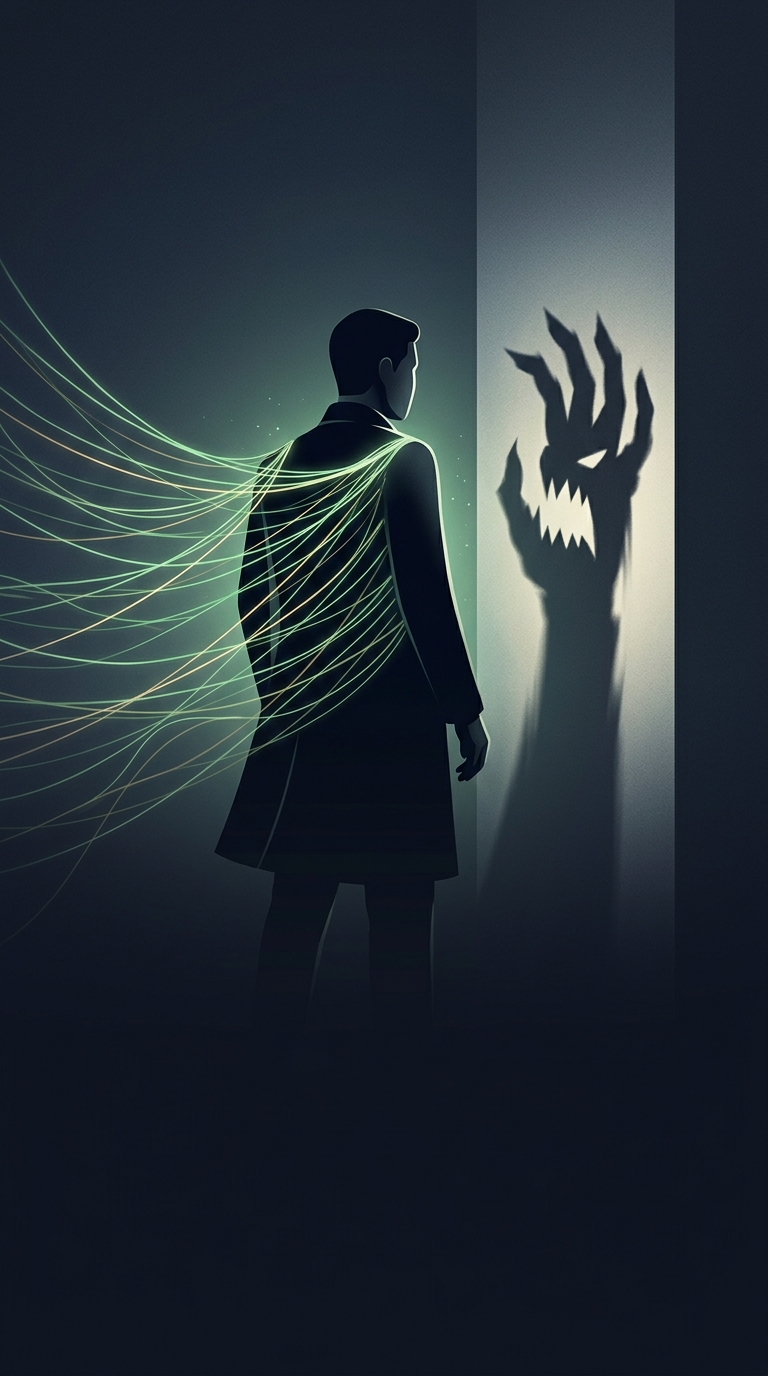
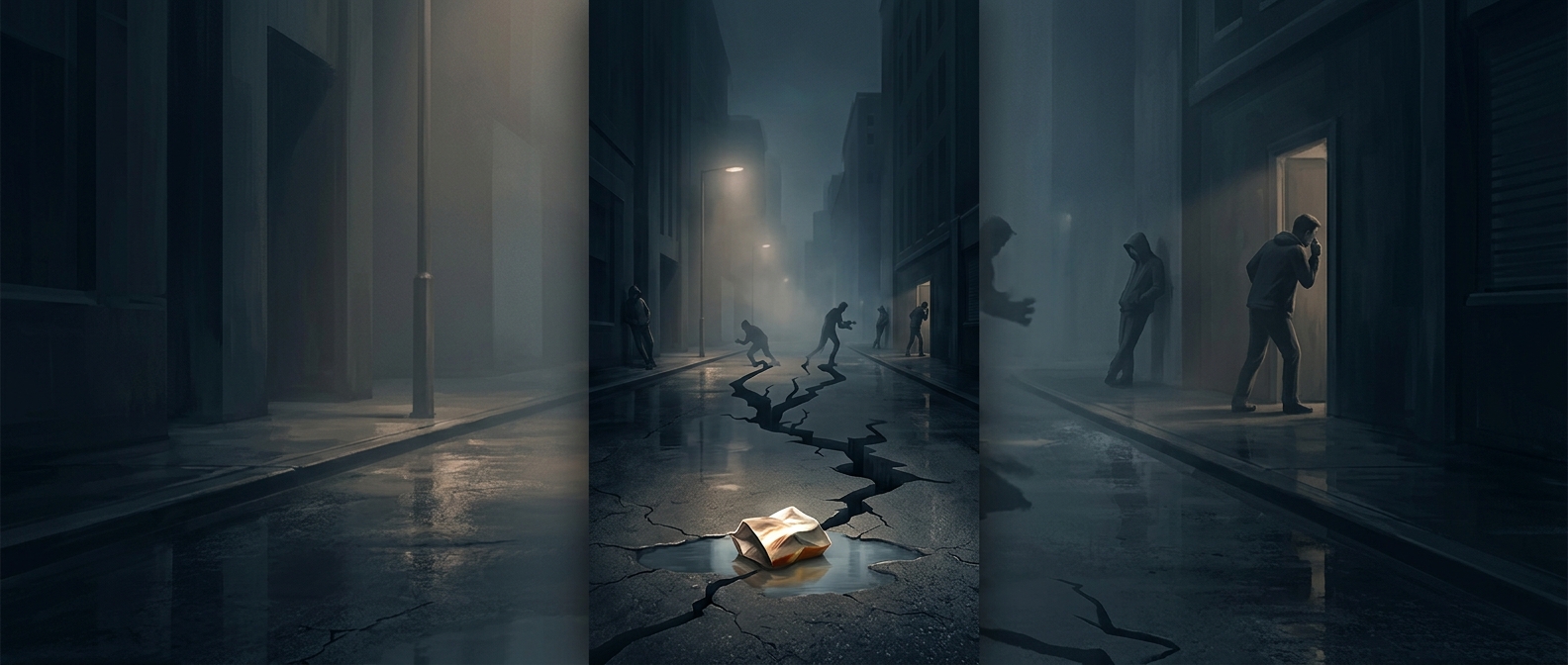
In a crowd, people may be talking, laughing, or moving together while you remain on the edges. Those visible signs of connection can draw attention to what feels absent in your own experience. You might feel overlooked, unable to join in, or surrounded by people who do not know you. The crowd is physically close, but closeness alone does not create a sense of being understood or included.
That contrast can also encourage social comparison: you see other people interacting and may read their apparent ease as evidence that you are the one left out. Their inner experience is not visible, but the impression can still intensify your own feelings.
What the feeling is measuring
An empty place can feel peaceful or isolating depending on what you want at that moment. A busy place can feel companionable when you feel connected, or lonely when you do not. The same crowd can therefore affect two people differently—and can feel different to the same person on different days.
The sting is not proof that nobody cares or that you do not belong anywhere. It reflects a perceived mismatch between the connection you want and the connection you feel you have. That is why a packed room can feel lonelier than a forest: the room makes company visible without necessarily making it yours.