A closer look
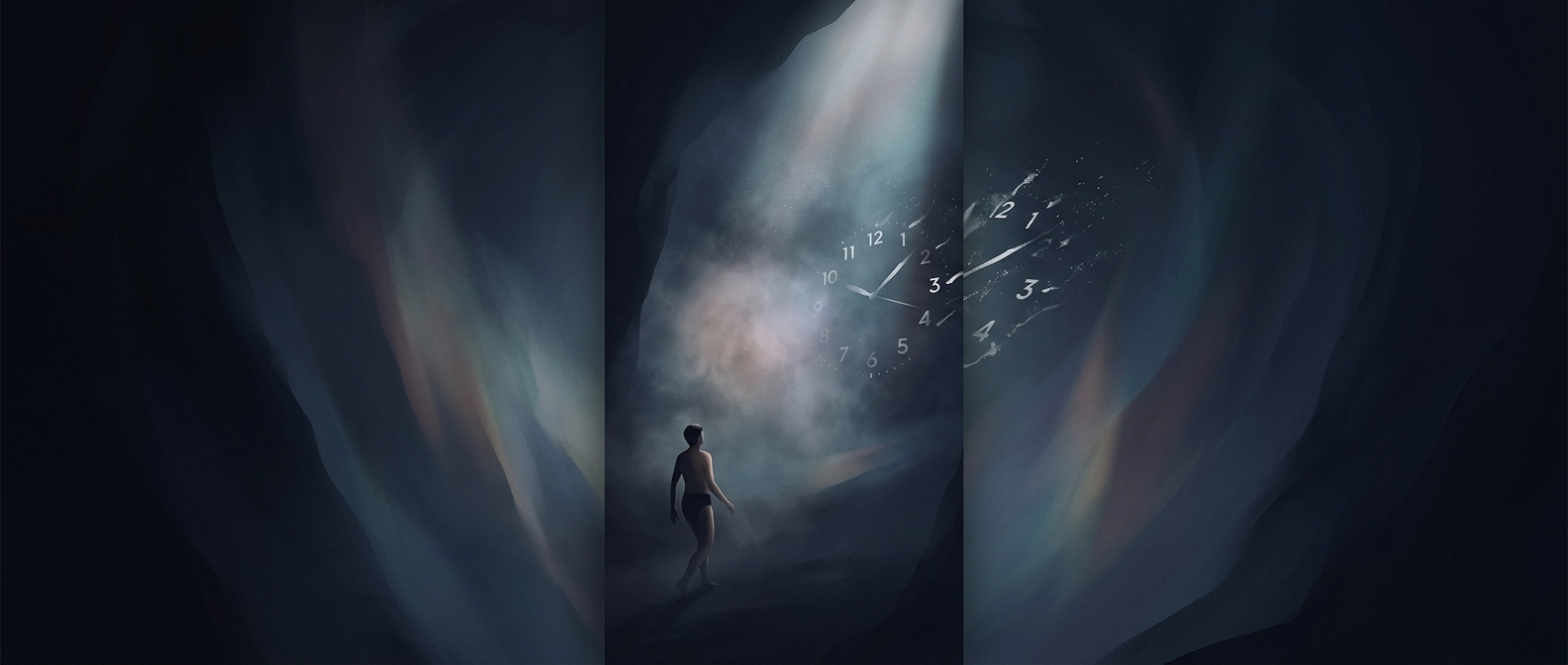
Strip away the sun, clocks, and social cues, and your internal concept of time completely collapses. In 1962, French chronobiologist Michel Siffre descended into a subterranean glacier in Texas without any way to measure time. When his team finally told him the experiment was over in mid-September, Siffre was stunned—he fully believed it was only August. Without external "zeitgebers" (time givers) to anchor our circadian rhythms, human time perception stretches out bizarrely. Days blur into 48-hour cycles, proving that our sense of reality is entirely dependent on the spinning rock we live on.