Why a Toaster Can Look Like It Has a Face
A dark slot above two knobs can read as eyes and a mouth almost instantly. The toaster has not changed; your brain has organized a few marks into a familiar pattern. This is pareidolia: the tendency to perceive a meaningful image, especially a face, in something ambiguous.
The Brain Bets on a Face
Vision is not a camera that waits for every detail before making sense of a scene. The brain rapidly sorts shapes and contrasts into likely objects, using partial information to make a useful guess. Faces matter enough for social life that the visual system is especially ready to notice their basic layout: two features above one below.
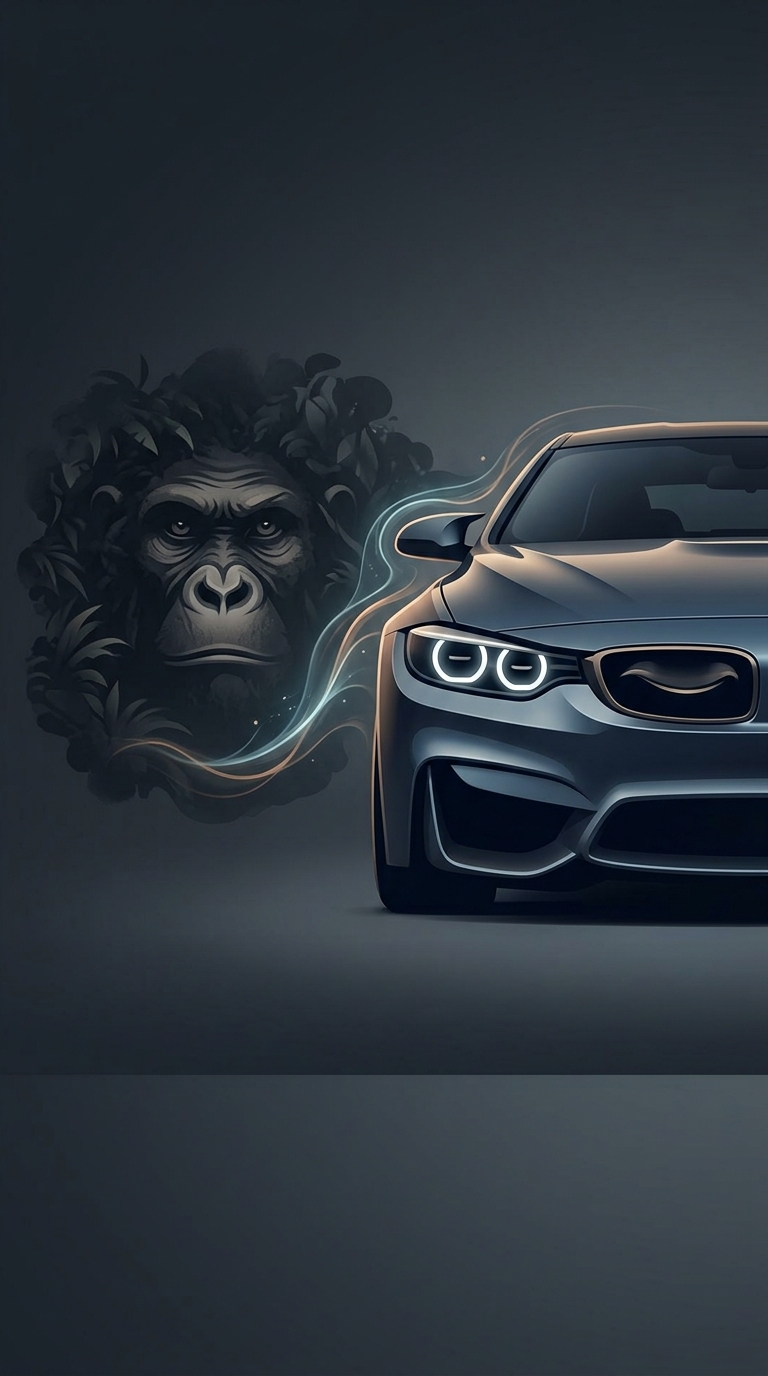
That readiness helps when a person is briefly visible, far away, or partly hidden. Waiting for perfect certainty could mean missing someone who needs attention. But the same quick pattern-matching can find a face in a car grille, a knot in wood, or clouds. Once the arrangement fits, the object’s real identity may take a moment to override the impression.
Why the Impression Feels So Immediate
Pareidolia does not require believing that an object is alive. It is a perceptual guess, not a considered conclusion: the features seem face-like before you have inspected what they actually are. The less specific the stimulus, the more room there is for the brain to settle on a familiar interpretation.
That is why a few marks can seem expressive. A toaster’s controls may look stern, surprised, or amused, even though their placement reflects the appliance’s design rather than any intended personality. The next time an ordinary object appears to be watching you, the striking part is not that it resembles a person—it is how quickly your mind supplied one.