How a brief touch can create a sense of ownership
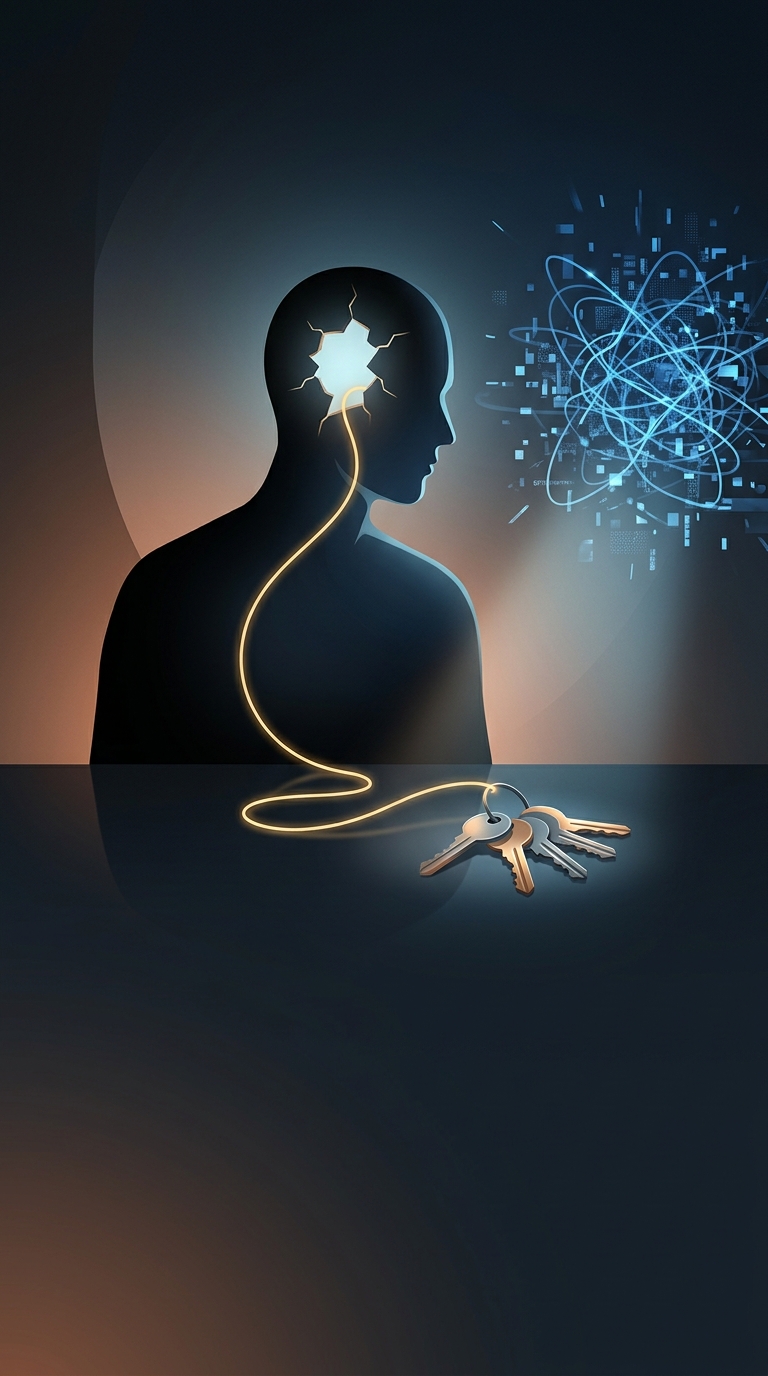
Picking up a product does more than provide information about its weight or texture. It gives your brain a chance to rehearse using it: how it would fit in your hand, where it might go, or what it would be like to use it. That imagined use can make the item feel more personally connected to you, even before you decide to buy it.
From “Should I buy it?” to “Could I give it up?”
Psychologists call this kind of shift the endowment effect: people often place greater value on something once they feel it is theirs. Actual ownership is not required for the feeling to begin. Handling an item can create a small, temporary sense of possession, and imagining it as part of your life can make giving it up feel like losing something rather than simply declining to buy it.
That changes the mental comparison. Instead of weighing the product’s benefits against its price, you may start weighing the pleasure of keeping it against the disappointment of putting it back. The price has not changed; the imagined loss has.
Why stores invite you to try things
Letting customers pick up, test, or try a product can make a purchase feel more personal than viewing it behind glass. The effect is not automatic: touch may reveal flaws, and a product that does not suit someone can become easier to reject. But when handling encourages a vivid picture of future use, the item can begin to feel like a possession before it leaves the store.
That is why putting something back can feel oddly consequential. For a moment, the shopper is not just passing up a product—they are surrendering a small imagined version of owning it.