Why a red car can seem to move faster
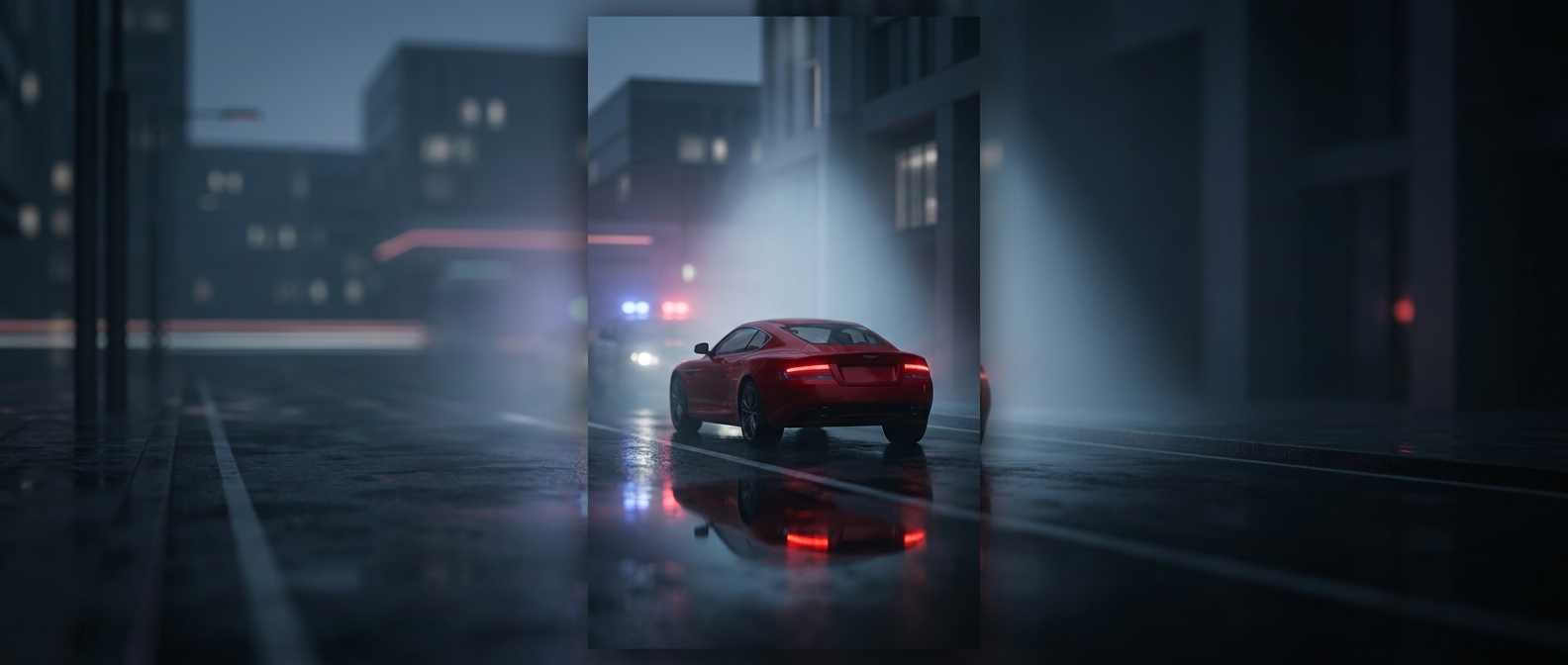
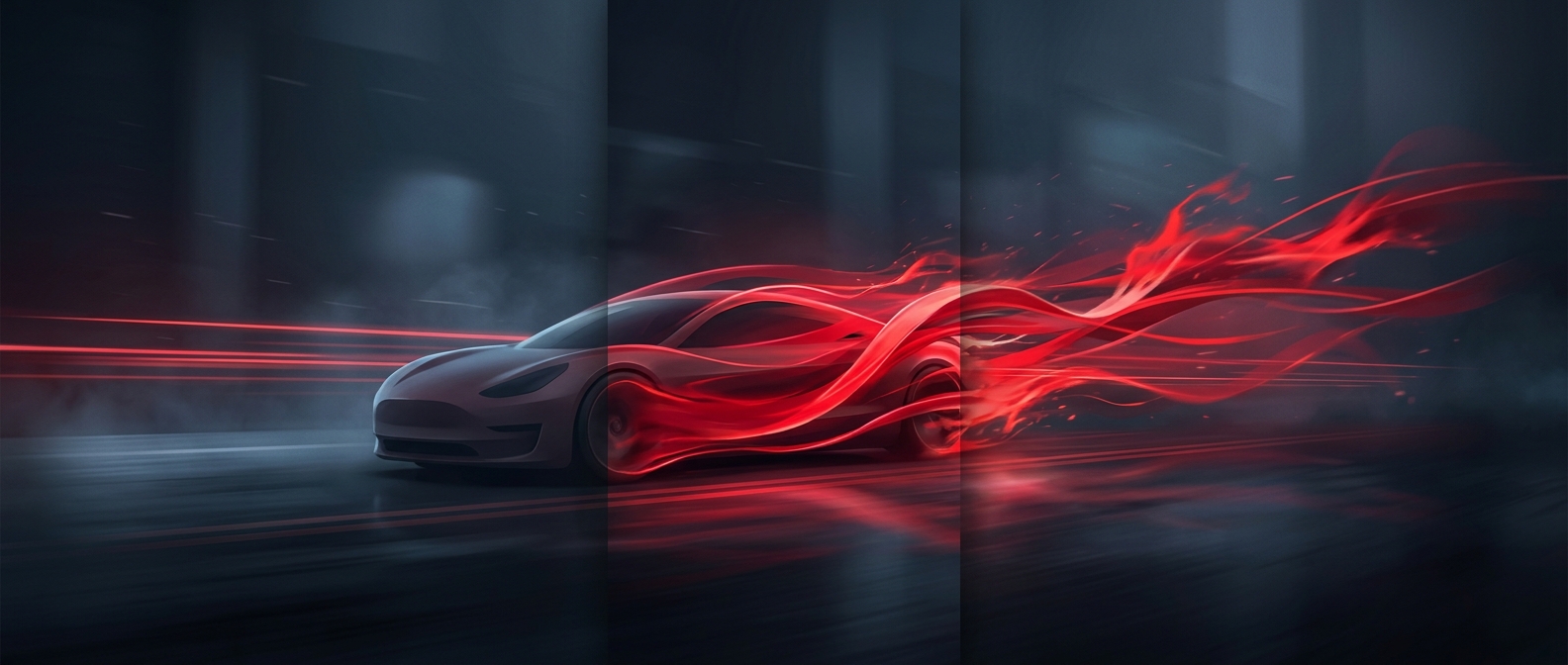
A car’s actual speed is a change in position over time. But the speed you feel you’re seeing is a judgment your brain makes from visual cues—and those cues include more than how far the car travels between moments. A vivid red surface can command attention more strongly than a muted gray one, making the moving vehicle feel more prominent and energetic.
Attention can add a sense of motion
When something stands out, your eyes and attention are more likely to lock onto it. That makes the car’s movement easier to notice: its approach, its passage through the scene, and the changing position of its edges. The brain combines those observations with the object’s visual intensity, producing an overall impression rather than a speed reading isolated from color.
This is why two cars traveling side by side at the same pace can leave different impressions. The red car may seem to press into the scene, while the gray car blends more readily into its surroundings. The difference lies in perception, not in the cars’ motion.
A vivid cue is not a speedometer
Color alone cannot tell you how fast a vehicle is going. Distance, viewing angle, surrounding scenery, and how closely you watch all shape the impression. But when those conditions are similar, a more attention-grabbing color can make motion feel more forceful. The red car does not gain speed; it gains the spotlight, and the spotlight can make its movement seem more dramatic.