How a Red Car Can Become Harder to Ignore
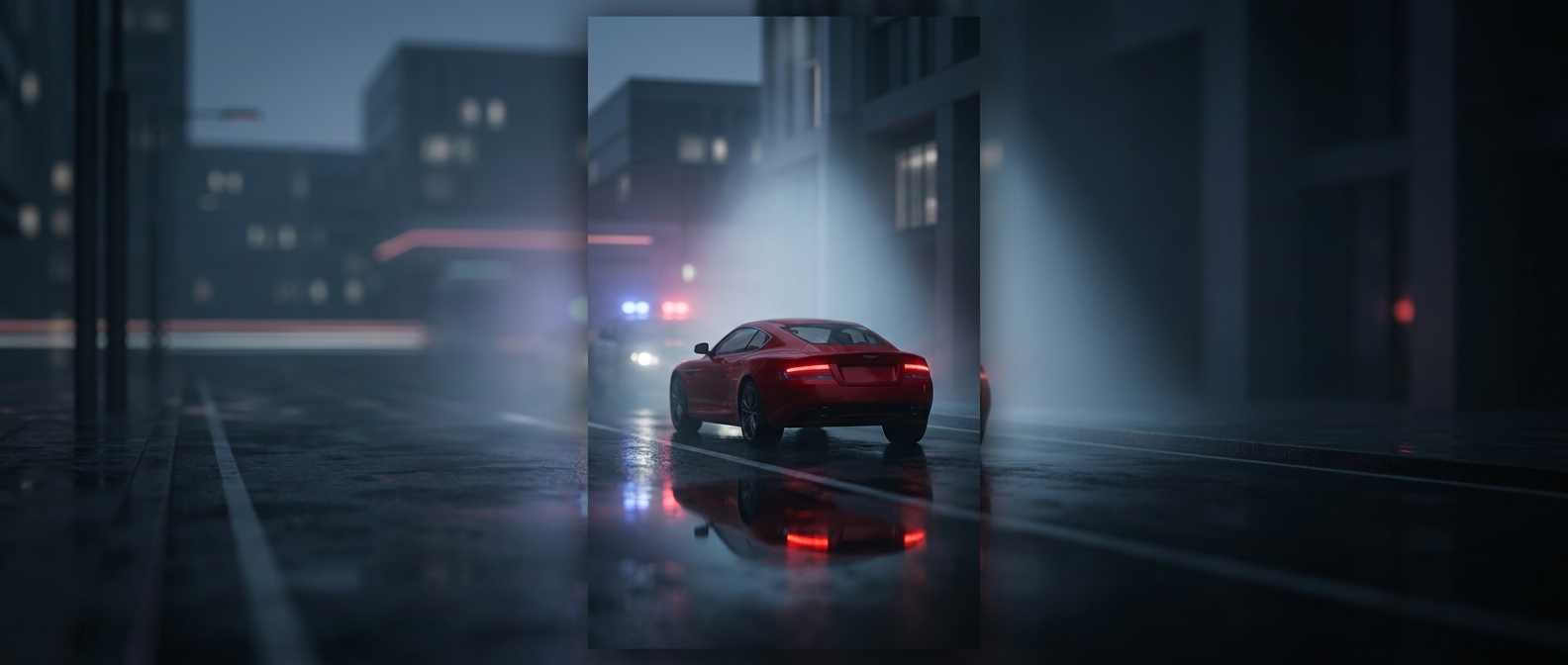
A traffic stop usually begins with an officer noticing a possible violation, not with a car’s color by itself. But attention is selective: in a crowded stream of vehicles, a bright red car can stand out more quickly than a gray or white one. That gives an observer more chances to notice what happens next.
From Salience to Scrutiny
Once a vehicle catches the eye, an officer may keep tracking it. That extra attention can make a lane change, brief speed increase, or other small driving error easier to spot. A less conspicuous car might make the same mistake without drawing notice. The color does not create the violation; it can affect whether the violation is seen.
This is a basic feature of perception. What stands out is more likely to enter our attention, and what receives attention is easier to notice in detail. The effect can be especially relevant where an officer is scanning many vehicles at once.
Visibility Is Not the Same as Risk
A red car is not automatically more likely to be stopped, and color alone does not establish how often stops occur. Driving behavior, enforcement practices, and the circumstances of a particular encounter matter. The narrower point is about visibility: a conspicuous vehicle may attract more observation, creating more opportunities for a minor mistake to be noticed.
In practical terms, the same small lapse can have different outcomes depending on whether anyone sees it—and a bright car may be harder to lose in the traffic flow.