Your eyes can land on an object without your mind noticing it
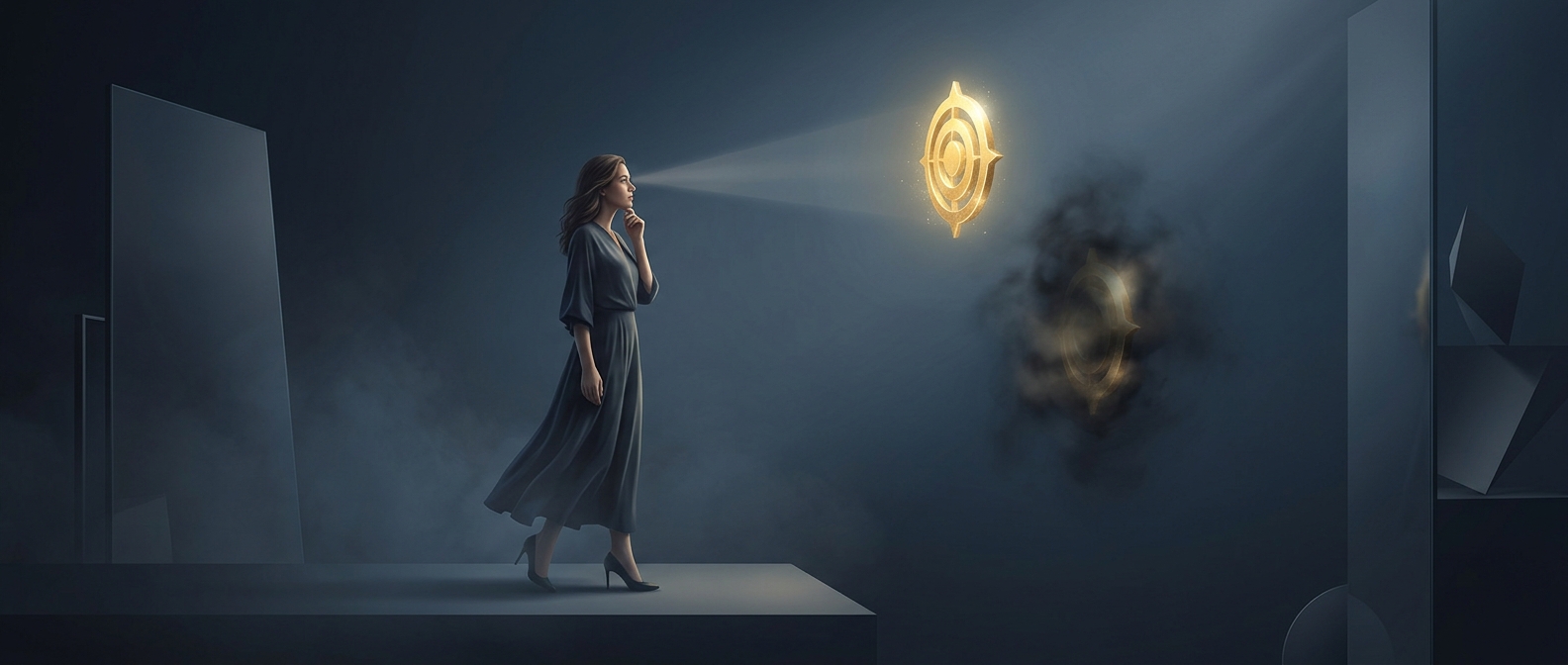
Vision is not a passive recording. The eyes take in far more detail than you can consciously process at once, so attention helps prioritize what seems relevant. When you are searching for keys, your brain uses a rough mental template—perhaps their shape, color, or the place you expect them to be—to guide that selection.
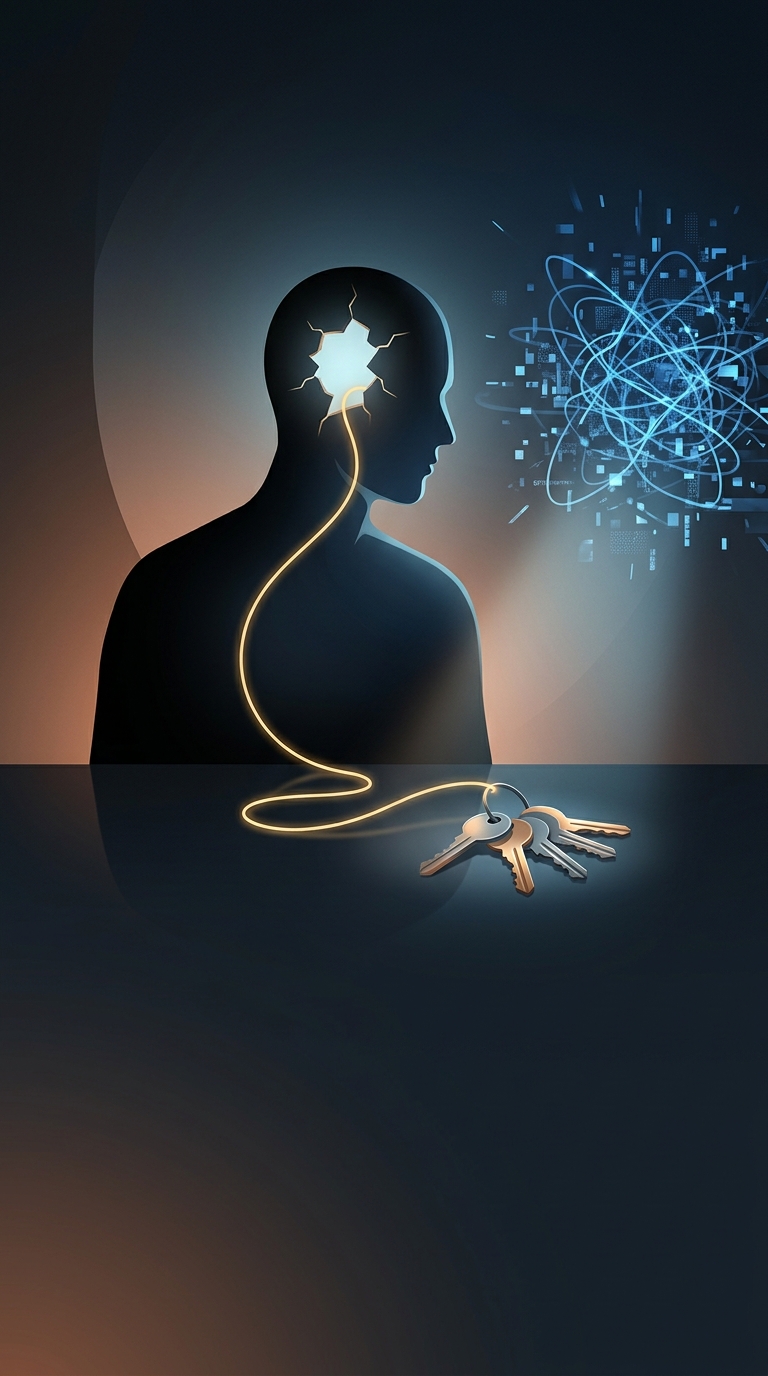
If the keys are outside that template, or your attention is occupied by something else, the image can reach your eyes without becoming a clear, conscious perception. That gap between what is visible and what you notice is often called inattentional blindness. It does not mean the eyes failed to work; it means attention did not give the object enough priority to register.
Searching can make the miss more likely
A hurried search often becomes a hunt for a particular clue: a familiar key ring, a spot near the door, or the place where the keys “should” be. The mind keeps comparing the scene with that expectation. An unexpected location or a distracting pattern can make the real object easy to overlook—even when it sits in plain view.
That is why looking harder is not always the answer. A brief pause can loosen the search pattern: shift your gaze, scan the whole surface, and deliberately check places that do not fit your first guess. Changing the question from “Where did I put them?” to “What shapes are actually on this table?” can redirect attention from expectation to the scene itself.
Seeing is partly an act of selection
The episode is a small reminder that conscious vision is selective, not a complete inventory of everything in front of you. An object can be plainly visible and still fail to become the thing you notice.