Hunger changes the brain’s priorities
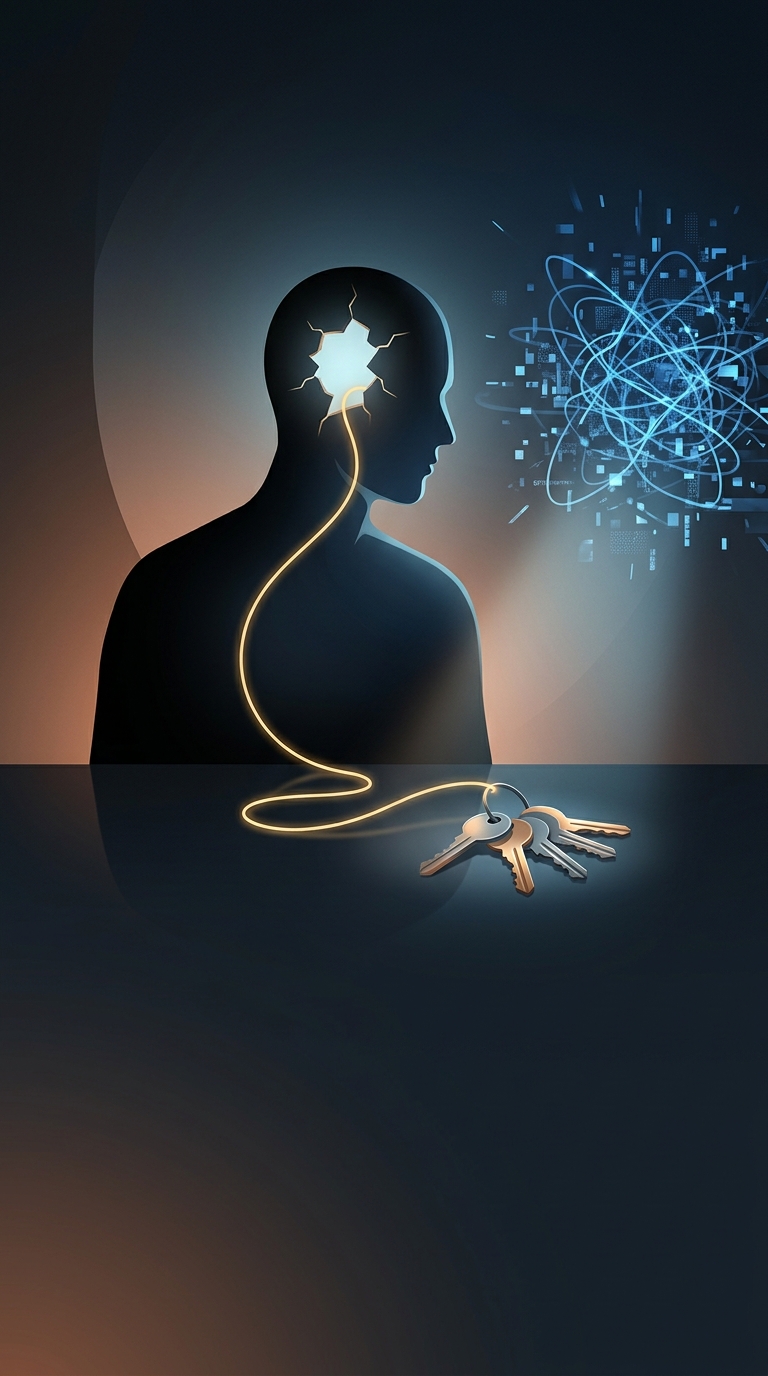
A hungry brain treats food as more than another object in the scene: it is something worth finding. That priority can steer attention toward food and make its features—such as size—more influential in a quick judgment. The change is not that the food physically grows or that the eyes receive a different image. Rather, the brain interprets what it sees through a state of need.
Why a portion can seem larger
Visual judgments are not measurements made in isolation. The brain estimates size using attention, expectations, and context, and hunger can tilt that estimate in food’s favor. A serving that might barely register after a meal can seem more substantial when appetite is high, because food occupies more of the mind’s attention and feels more important.
That distinction matters: a larger-seeming portion is a shift in perception, not evidence that hunger reliably makes every food look bigger. It helps explain why appetite can shape not only what seems tempting, but also how much food appears to be there.