Why a car’s front can read like a face
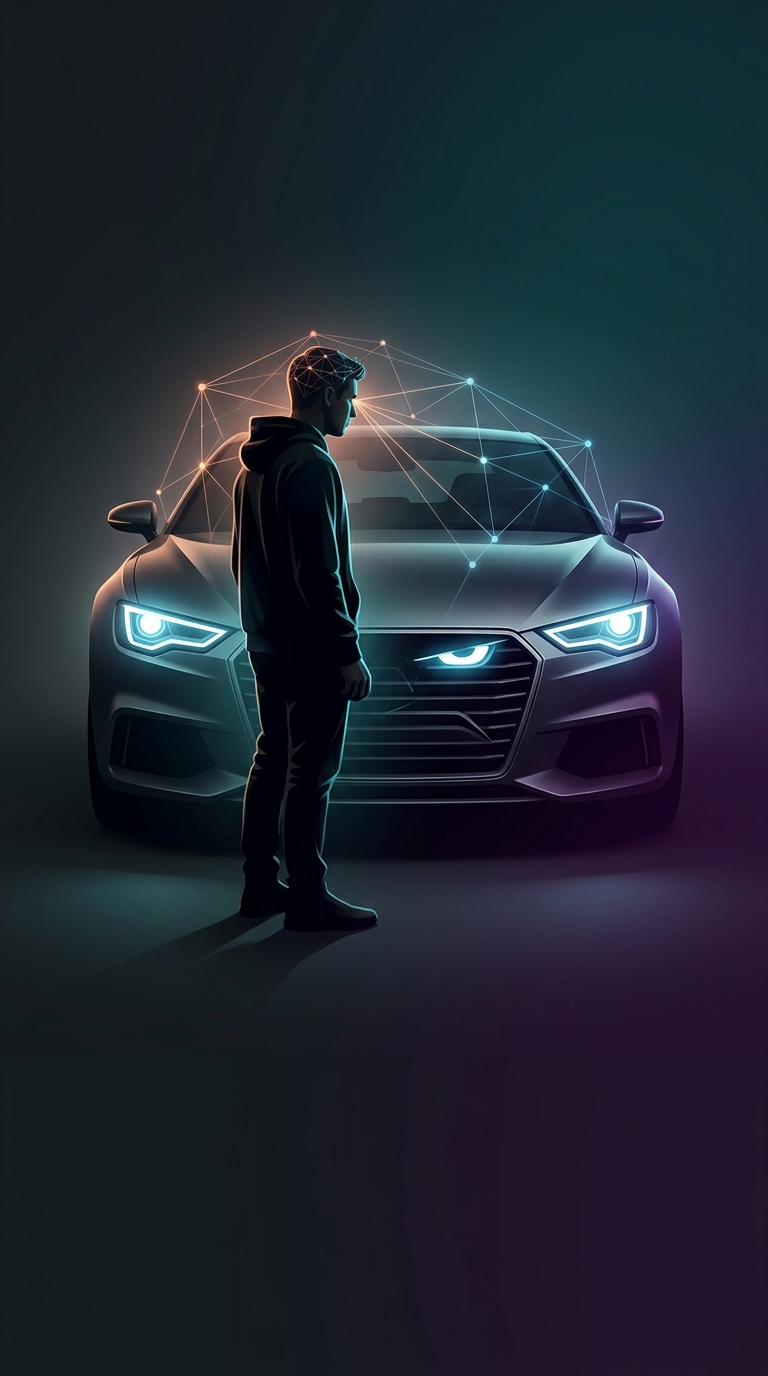
Human vision is unusually quick to organize a few marks into a face. Two separated shapes above a lower, broader shape are enough to suggest eyes and a mouth—even when the shapes are headlights and a grille. Because a car’s front is roughly symmetrical and faces the viewer, it supplies that arrangement almost automatically.
The brain does not need to mistake the car for a person. It is matching a familiar pattern: paired features, a central line, and a lower opening. Once that pattern clicks, small design differences can seem expressive. Narrow lights may look stern; round ones may look wide-eyed; a broad grille can resemble a grin or a scowl.
Designers can tune the expression
Car makers work within practical constraints: lights must illuminate the road, cooling openings must let air reach the engine or other components, and the front structure must accommodate safety and packaging needs. Designers shape these necessary parts into a coherent appearance, and the face-like effect can be useful. A distinctive front helps a model stand out and can make it seem sporty, friendly, or imposing.
That does not mean every grille is deliberately designed as a mouth. Rather, designers know that people read the arrangement socially, and can adjust proportions and contours to steer that impression. The same cues that help us recognize expressions in other people make a parked car seem to glare—or smile—before we have consciously inspected its parts.