Why a room can make sense before its objects have names
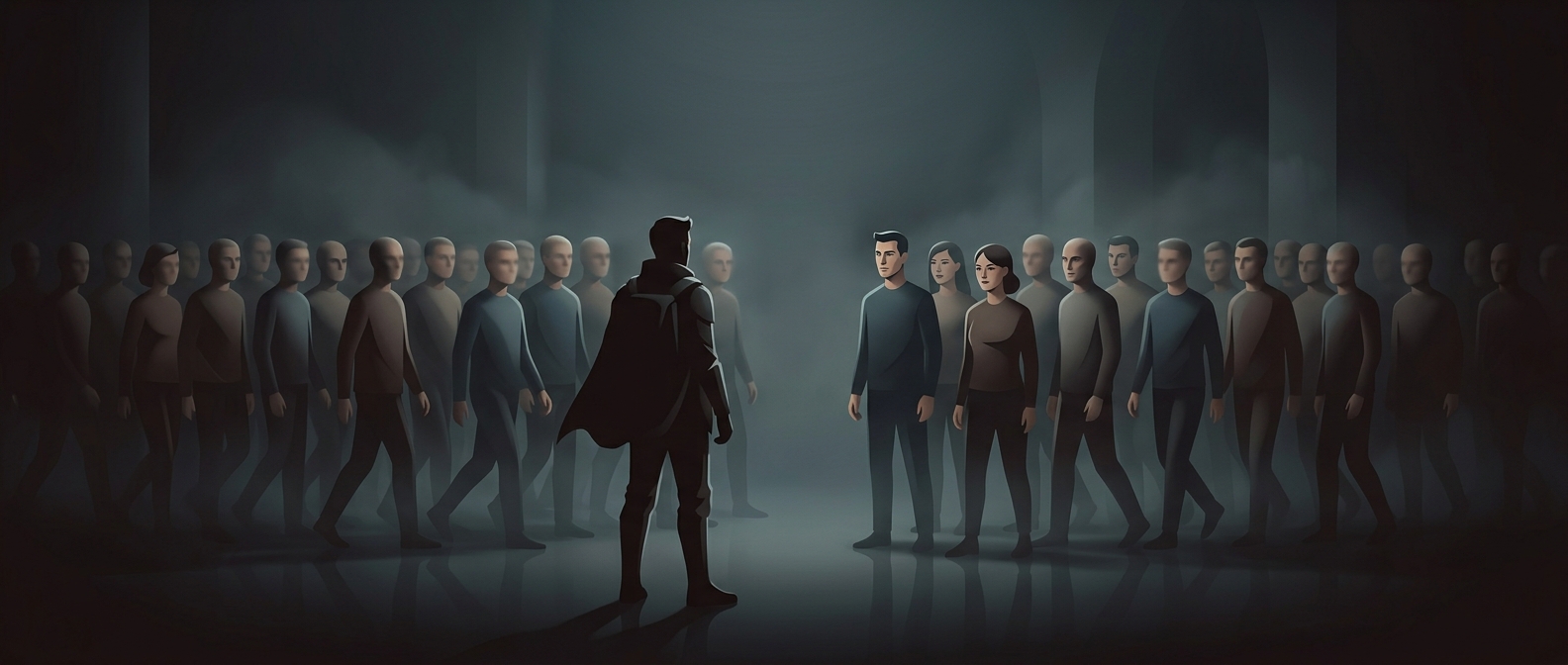
When you look into a crowded room, your brain does not wait to identify every chair, person, and window before building a rough picture of what is happening. Visual processing begins by detecting broad features—such as edges, contrast, orientation, and spatial layout—across much of the scene at once. Those signals help you locate likely landmarks, like an open doorway, while finer recognition is still underway.
This early impression is useful, but it is not a complete, perfectly detailed reading. The brain first gets a quick sense of the scene, then directs attention to details that matter: a face, a moving object, or a path through the crowd.
Reading has a different bottleneck
Text is made of symbols whose order matters. To understand a sentence, the reader must identify words and combine them according to their sequence. Familiar words can be recognized quickly, and the eyes may take in several letters or words in a glance, but meaning still depends on the chain: changing the order can change the message.
That makes a picture and a sentence different kinds of information, not simply two formats competing at the same speed. A picture can show several spatial relationships together; a sentence often explains those relationships one phrase at a time. A map, for example, can reveal where streets meet immediately, while written directions unfold step by step.
A fast gist is not the same as full understanding
The visual system’s quick pass is especially good at getting the broad layout. It may tell you that a room has an exit on the left, but not whether the doorway is blocked or which sign points toward it. Words are slower to unfold, yet they can name precise conditions, exceptions, and relationships that a glance may miss.
The practical difference is familiar: images often deliver the overall arrangement first; language makes details arrive in order. In a crowded room, that can mean spotting the way out before you have consciously identified everything standing between you and the door.