How your brain turns shifting views into distance
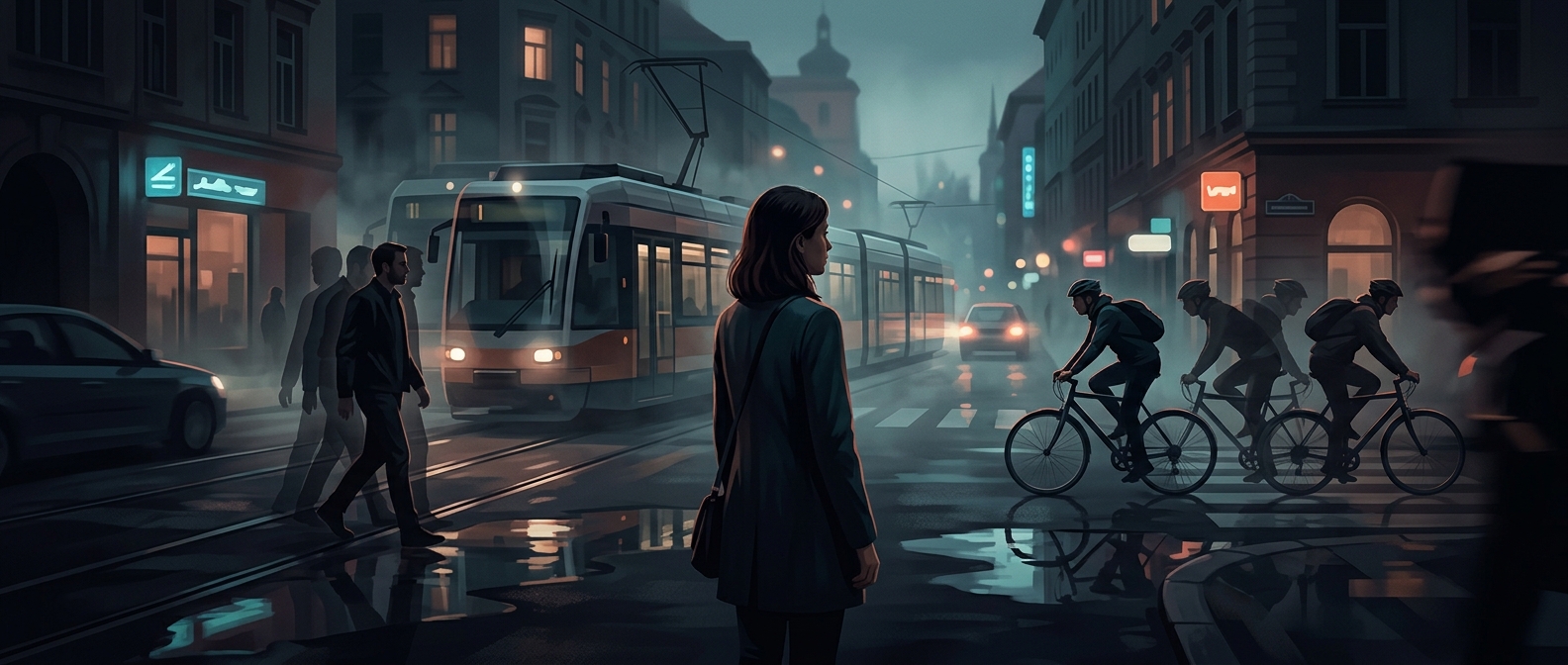
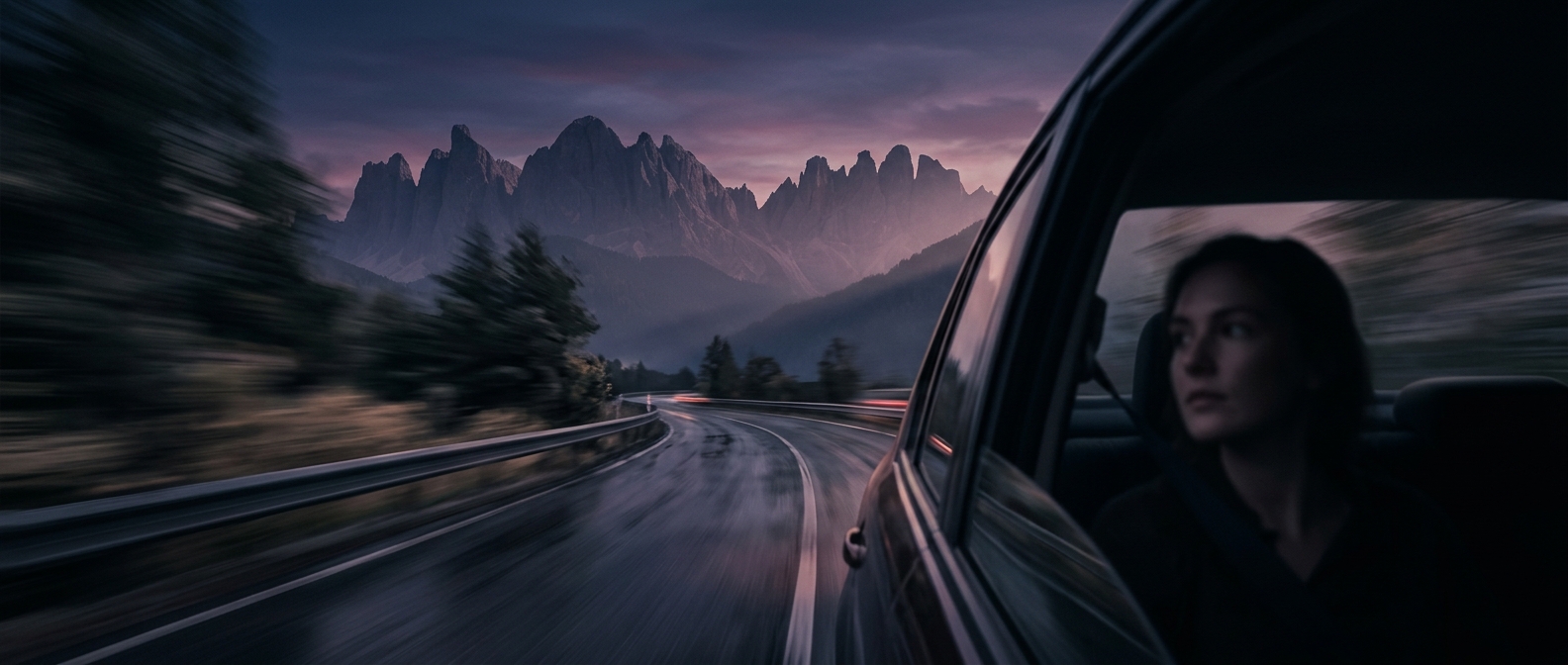
As you move, objects at different distances slide across your field of view by different amounts. A nearby tree can sweep from the windshield’s edge to the rear window in seconds. A distant mountain may barely shift at all. This difference is called motion parallax: the closer an object is, the more its apparent position changes during the same movement.
Your brain uses that changing view as a depth clue. It compares what the eyes see from one moment to the next, much as it can compare the slightly different images from your two eyes. The brain does not need to calculate miles; the relative shift is enough to sort the scene into nearer and farther layers.
Why the nearby world seems to rush by
The effect depends on how far you travel compared with an object’s distance. A short move is a substantial change in viewpoint relative to a roadside sign, so the sign appears to move sharply against the background. The same move is tiny compared with the distance to a mountain, making its apparent shift small. Objects very far away can seem almost fixed while nearby scenery streams past.
This is why a moving car provides such a clear demonstration. The road and nearby poles slide quickly across the view, while the horizon stays comparatively steady. The horizon is not literally motionless; its shift is just too small to notice in the same way.
A depth cue with limits
Motion parallax works best when your viewpoint changes and the scene contains objects at different distances. If you stand still, or look at a flat image, that particular cue is absent. But in everyday movement, it helps your visual system judge the layout of the world without conscious effort—and explains why the closest tree can appear to race past while the mountain beyond it barely budges.