The fall breaks the scene’s expectations
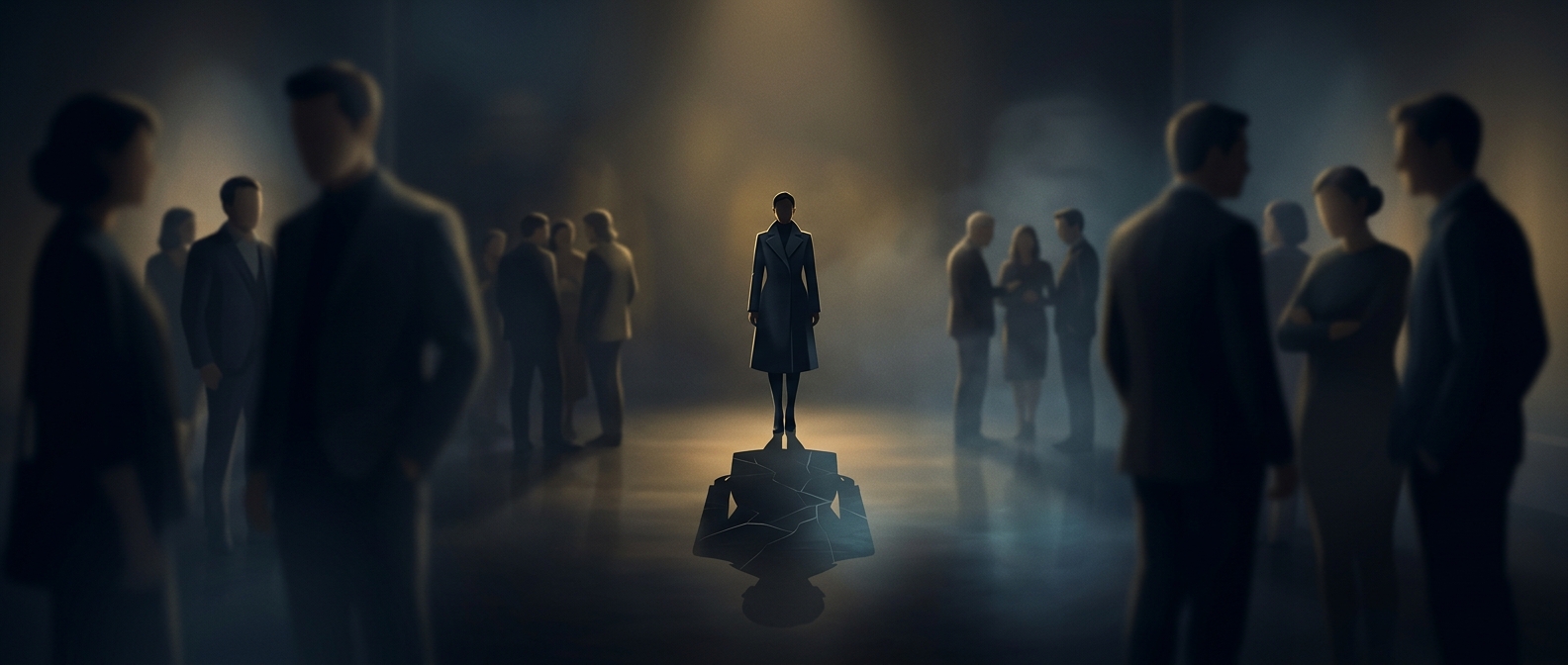
A person walking through a crowd is supposed to keep moving smoothly. When they suddenly stumble, the mismatch between what we expected and what we see can register as funny before we have time to form a considered opinion. Comedy often works this way: an ordinary pattern is interrupted by a surprising, usually harmless twist.
But surprise alone is not enough. A crash that looks genuinely dangerous tends to provoke alarm, not laughter. The reaction depends partly on a fast, rough assessment of what happened: Is the person badly hurt, or was it an awkward but minor mishap? If the fall appears harmless, the moment can feel like a small breach of social order rather than an emergency.
Relief can turn alarm into laughter
Even a brief stumble may trigger a flicker of concern. Once it seems the stranger is all right, that tension can ease abruptly. Laughter can release some of that built-up arousal—the body’s quick shift from “something may be wrong” to “the danger seems over.” The same episode can therefore produce a startled gasp first and a laugh a moment later.
The observer’s distance matters, too. A stranger’s mishap is easier to read as slapstick when we do not know the person and cannot see signs of serious pain. If they seem injured, embarrassed, or frightened, concern and empathy are more likely to crowd out amusement.
The laugh is not a verdict
Laughter is not always a deliberate statement that someone deserves ridicule. It can be an automatic response to surprise or tension, and it can spread through a group when people notice others laughing. Still, context changes its meaning: laughing with someone after a harmless stumble can soften an awkward moment; laughing at someone who is hurt can make it worse.
That is why the first laugh may come quickly, while the more important decision—whether to check on the person—comes next.