Why a year can seem smaller with age
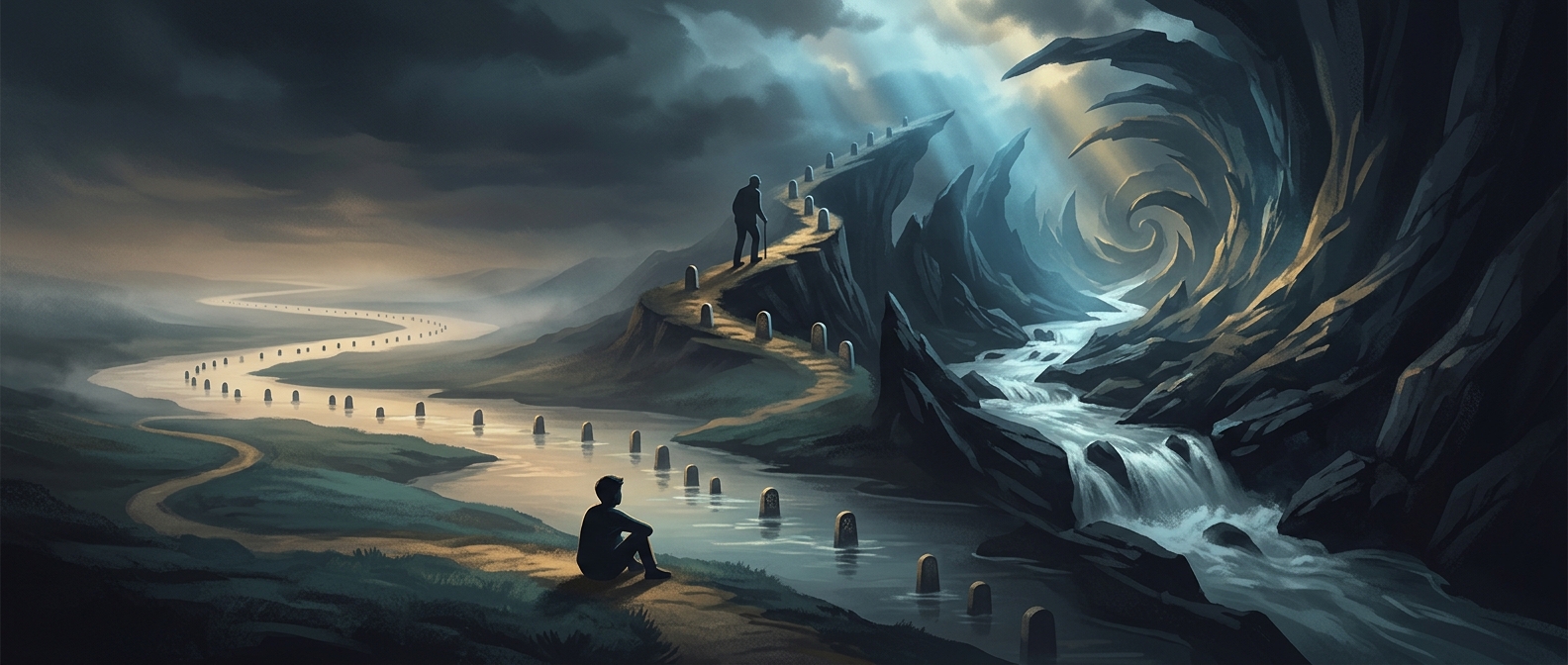
A calendar year keeps the same length, but people do not experience time only by counting days. We also judge a stretch of time against what we have lived before. When you are five, a year is one-fifth of your life so far; at 50, it is one-fiftieth. That changing proportion can make another year feel less substantial beside the growing span of your memories.
Novelty gives time more landmarks
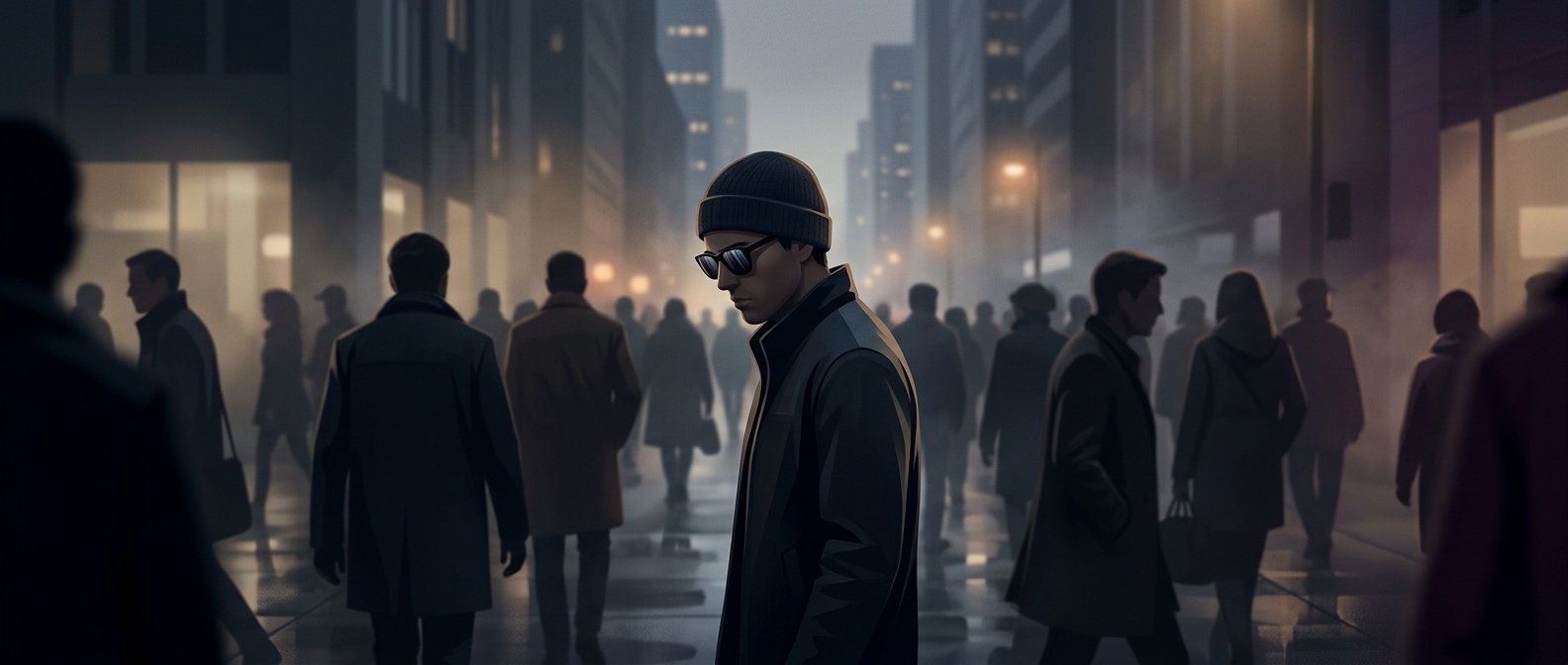
A second influence is how many distinct events the mind has to remember. New experiences—starting school, learning a skill, moving somewhere unfamiliar—create landmarks. Looking back, a period packed with such changes can seem long because it contains many separate memories. Familiar routines offer fewer landmarks, so months may blur together in retrospect.
This helps explain why a year can feel ordinary while it is happening yet seem brief when you look back: repeated days leave fewer memorable distinctions. The effect is not a precise clock inside the brain speeding up. It is a change in how experience is organized and recalled.
The years are unchanged; the comparison is not
Age does not make every person feel time in the same way, and a year can still feel long when it is difficult or full of waiting. But the comparison with a much larger store of lived experience—and the tendency for routines to blend—can make familiar years seem to pass quickly. A small change in routine can stand out precisely because it gives the mind a new landmark to remember.