Two different ways the brain estimates time
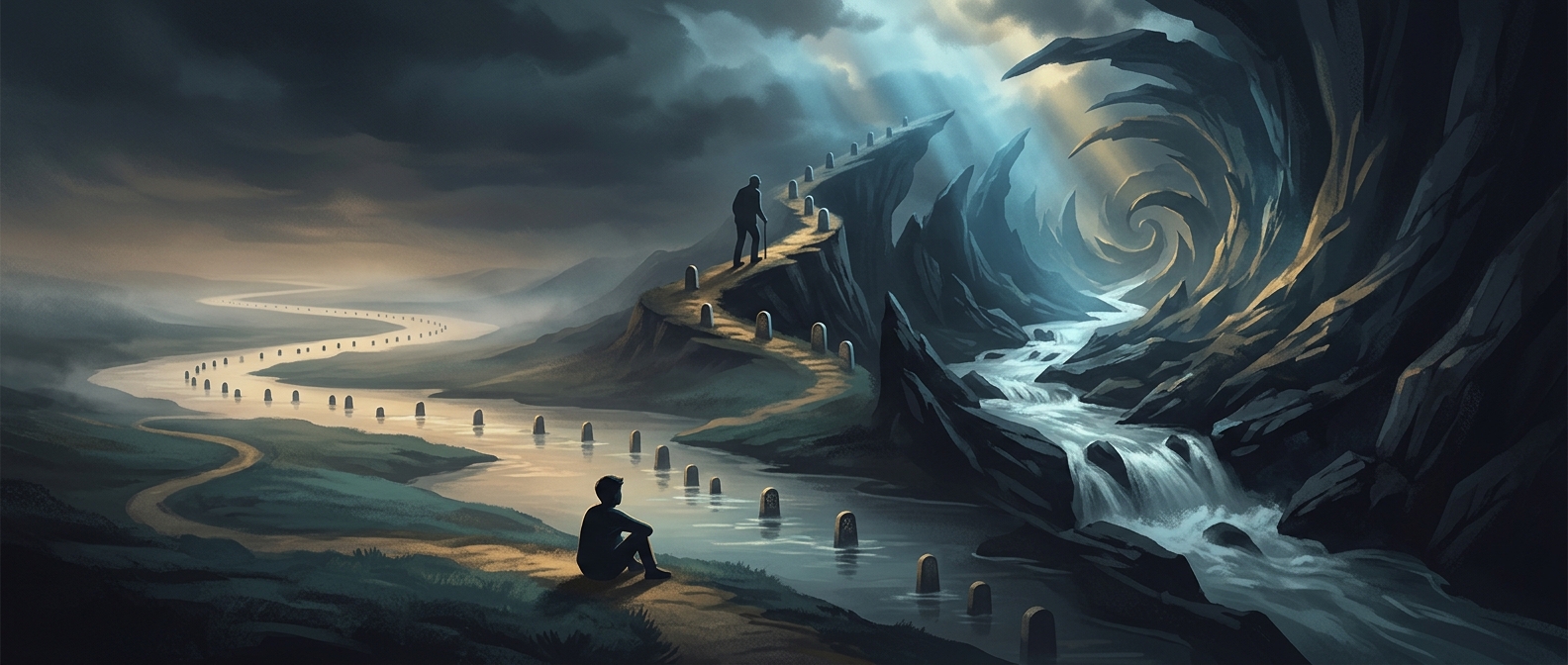
Time can feel different while it is passing than it does when you look back on it. In the moment, people often judge duration partly by how much attention they devote to time itself. If a conversation is absorbing, attention is occupied by words, reactions, and the next thing to say—not by tracking the minutes. With fewer mental check-ins, an hour can seem to slip by.
Looking back uses a different clue
Afterward, the mind has no continuous recording of the evening to replay. It reconstructs its length from remembered events and changes. A stretch of routine activity may leave few distinct memories and seem short in hindsight; a conversation full of surprising stories or vivid moments may seem substantial when recalled, even if it passed quickly at the time.
That difference helps explain the familiar paradox: an enjoyable experience can feel brief while it is happening yet feel rich—or even long—when remembered. The clock has not changed; the brain is answering two different questions, using attention for the present and memory for the past.
Why checking the clock changes the feeling
Glancing at a clock redirects attention toward elapsed time, making duration more noticeable. In an engrossing conversation, that interruption may be rare. The evening seems to vanish not because the mind has stopped processing time altogether, but because it has spent its attention on the experience rather than on measuring it.