Knowing an apple is not the same as picturing one
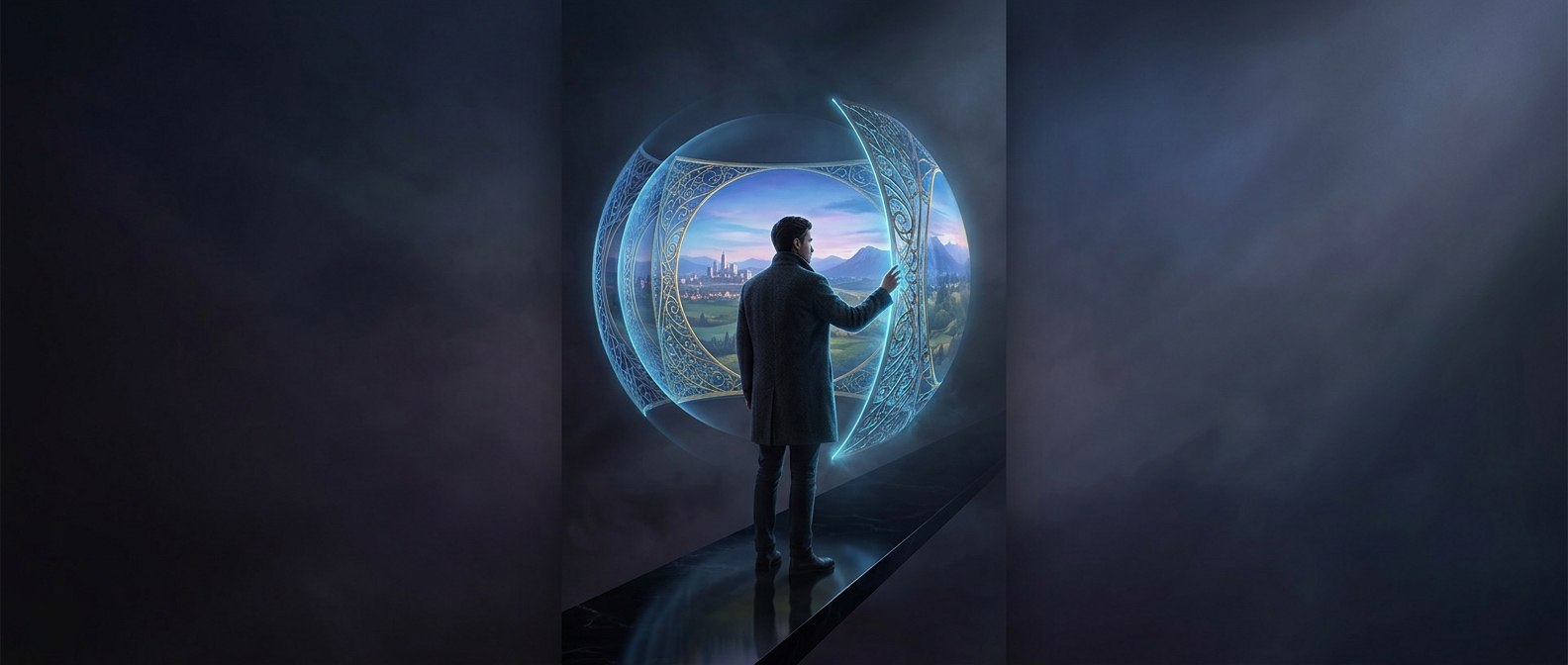
When people are asked to imagine a familiar object, they may use the same word—“picture”—for very different inner experiences. Some report a vivid image; others have only a dim outline or no visual experience at all. Aphantasia is the name commonly given to little or no voluntary visual imagery.
That does not mean the person lacks knowledge of what an apple looks like. They can know its color, shape, and parts, recognize one on a table, and describe it accurately. The difference is between retrieving information about an object and experiencing that information as a picture in the mind. A mental image is not a tiny photograph being viewed inside the head; it is a subjective experience of seeing-like detail.
Imagination can take more than one form
Thinking does not depend on visual imagery alone. Someone who cannot summon a picture may reason with words, facts, spatial relationships, or other kinds of mental representation. They might know that a door is to the left of a window without seeing a scene containing both. Visual imagery also varies in vividness, so aphantasia is better understood as one end of a broad range than as a simple divide between people who imagine and people who do not.
The term concerns voluntary imagery; it does not, by itself, establish whether someone has visual experiences in dreams or other situations. Nor does a blank mind’s eye automatically signal a broader problem with memory or imagination. People can differ in how they recall events, plan, or create without all using the same internal tools.
Why the difference can go unnoticed
A private image cannot be checked from the outside. Two people may give the same answer about an apple while one sees a vivid scene and the other retrieves a description. The contrast often becomes clear only when they compare what “imagining” feels like to them. That makes aphantasia a reminder that identical words—and sometimes identical answers—can conceal very different experiences of thought.