Why a picture of eyes can feel like an audience
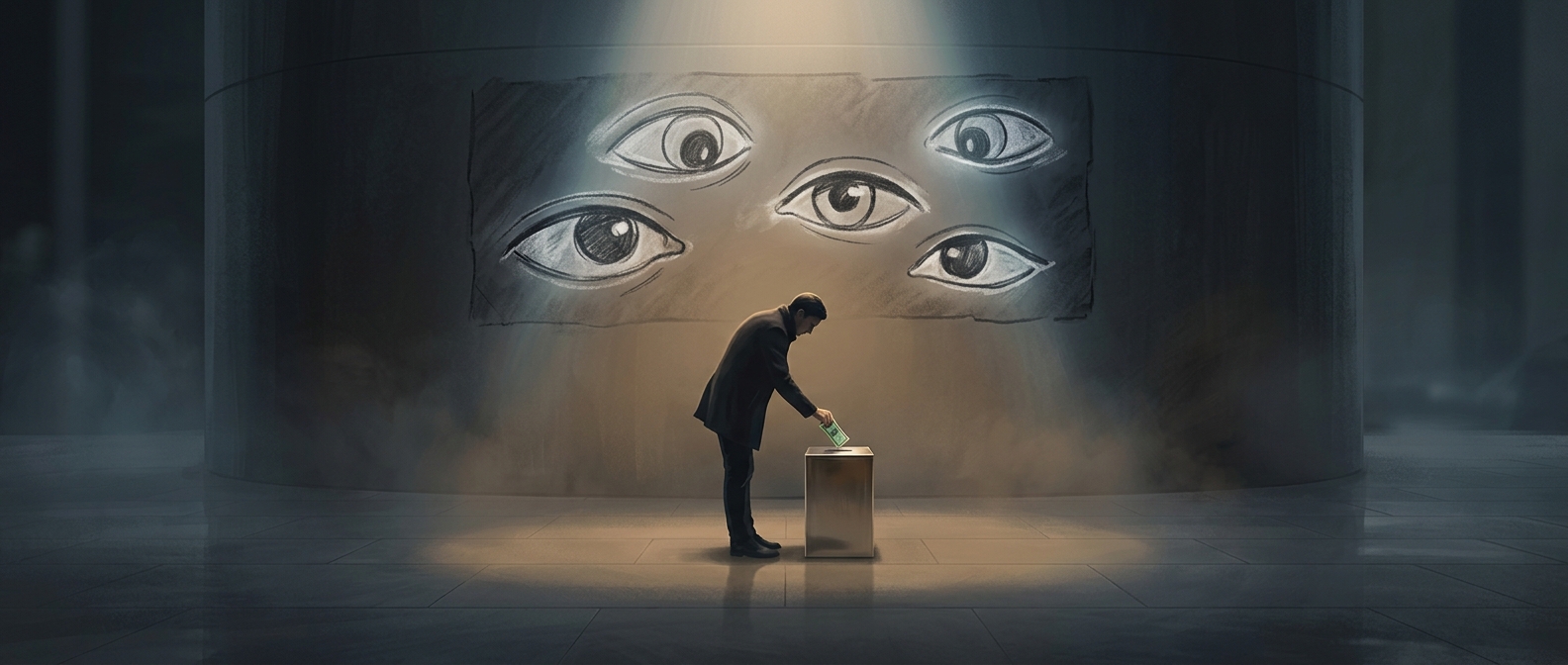
People do not have to believe that painted eyes are alive for them to matter. Eyes are a familiar signal of attention: in everyday life, someone looking toward us may notice what we do and form an opinion. A picture can therefore act as a reminder of an audience, even when we know perfectly well that no person is watching.
That reminder can shift attention inward. Instead of focusing only on what we want in the moment, we become more aware of how our choice might look to someone else. Psychologists call this reputation management: the ordinary concern for how other people judge us and whether they will trust or approve of us.
From feeling observed to following a rule
Once social evaluation feels more present, a person may be more likely to follow a rule, keep a promise, or avoid taking something that is not theirs. The cue does not have to tell anyone which choice is right. It can simply make the social consequences of a choice easier to imagine: Would I want someone to see me do this?
The effect is a nudge, not control. A pictured gaze cannot reliably override strong motives or make everyone behave well. Its influence depends on what people already recognize as a norm, and on whether the situation makes their conduct feel open to judgment. That is why the same image may matter in one setting and do little in another.
A small cue with a social meaning
The useful mechanism is not deception but association. Eyes have long signaled that another mind may be attending; a drawing can borrow that meaning and briefly make accountability feel closer. Even when the “observer” is only ink on a wall, the person making a choice may act as though their behavior could become part of how others see them.