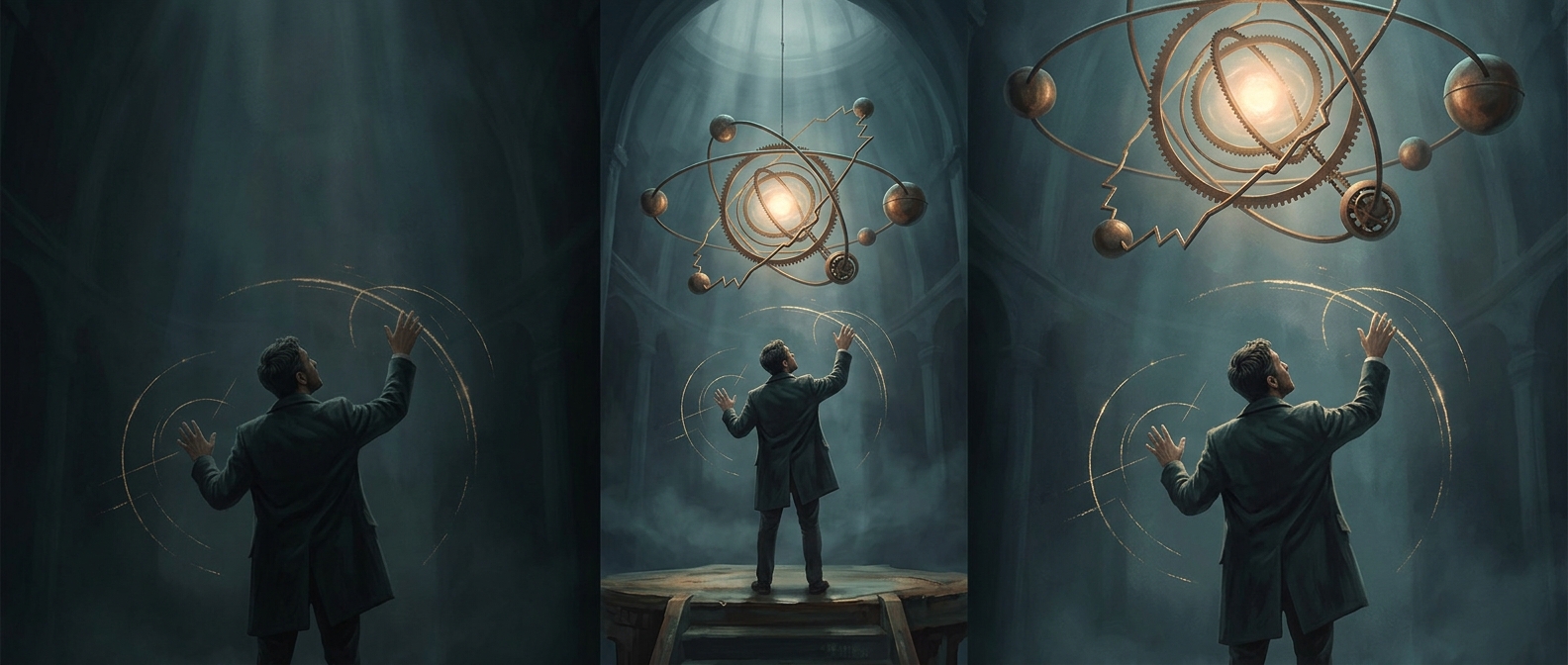
The notes before it change what a pitch means
A musical note has a measurable pitch—the rate of its sound vibrations—but listeners rarely hear that pitch in isolation. The notes leading up to it create a context, much like a sentence makes one word feel expected or surprising. That context can make the very same note seem settled, suspended, or tense without changing its sound.
Your brain listens for patterns
As a melody unfolds, the mind keeps track of which notes seem central and what might plausibly come next. In many kinds of music, one pitch acts like a home base: other notes feel more or less stable in relation to it. A note that fits comfortably into that pattern may sound like a resting point. The same note, after a different sequence, may feel as though it is leaning toward another note or waiting for the phrase to continue.
This is not a change in the note’s frequency. It is a change in the musical role the listener assigns to it, shaped by what came before and by learned listening habits. The surrounding harmony, melody, and style all help set expectations.
A familiar note can still surprise
Imagine hearing one note at the end of a phrase. After a sequence that strongly points toward it, it can feel like a natural conclusion. Put it after a different sequence, and it may sound unresolved—even if the note is produced by the same instrument at the same pitch. A brief pause or a following note can alter that impression again.
That is why musicians can create arrival or suspense without changing the final note itself: they change the path that leads to it. The note stays the same; the listener’s sense of where it belongs does not.